

GIVE THE PERFECT GIFT
Erin Mills Town Centre Gift Cards are the perfect choice for your gift giving needs.Purchase gift cards at kiosks near the food court or centre court, at Guest Services, or click below to purchase online.PURCHASE HEREHome
NATO's Lessons Crisis: Institutional Memory International Organizations
Indigo
Loading Inventory...
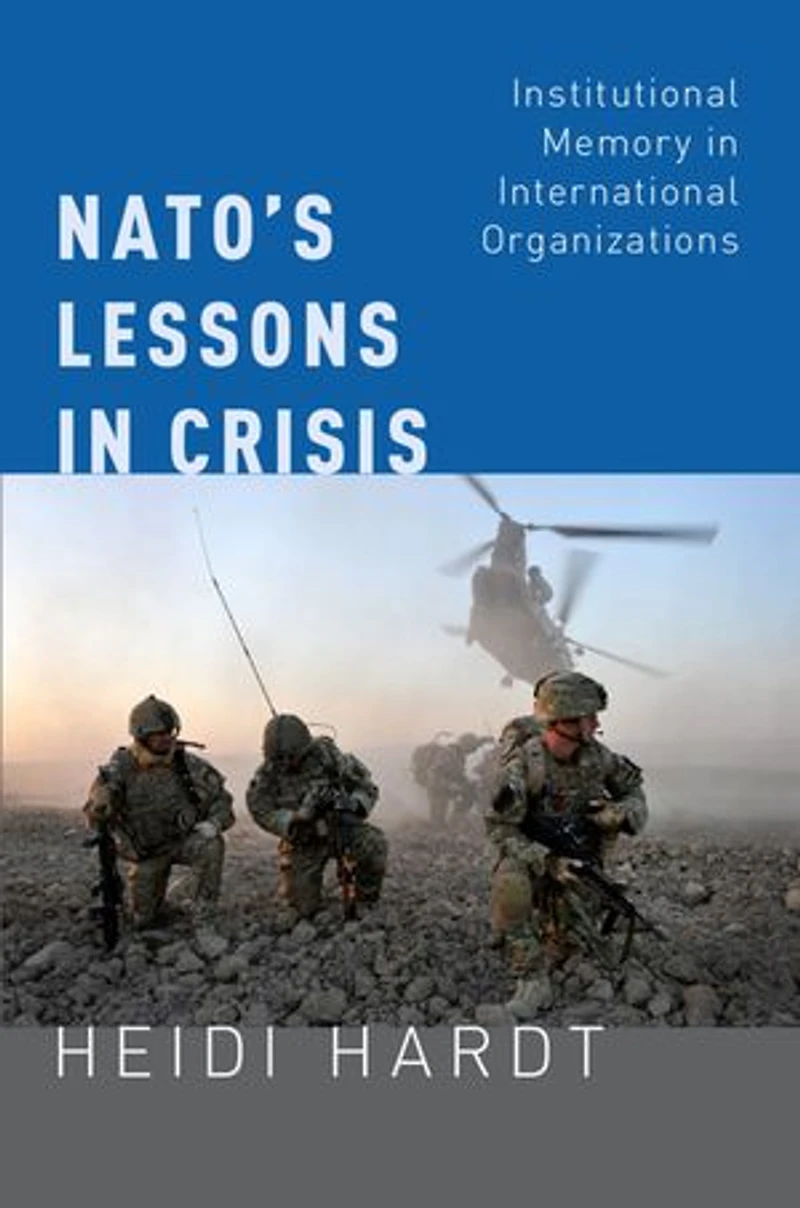
NATO's Lessons Crisis: Institutional Memory International Organizations
Current price: $28.79
Original price: $35.99

NATO's Lessons Crisis: Institutional Memory International Organizations
Current price: $28.79
Original price: $35.99
Loading Inventory...
Size: Kobo eBook
*Product information may vary - to confirm product availability, pricing, shipping and return information please contact Indigo
Errors in crisis management operations can have deadly consequences. Some international organizations take steps to reform, whereas other organizations tend to repeat the same errors. As budget cuts have led to increased turnover in personnel, how is it that international organizations have maintained any knowledge about past errors?
This book introduces an argument for how and why international organizations develop institutional memory of strategic errors. As Heidi Hardt shows, formal learning processes - such as lessons learned offices and databases - can ironically deter elite officials from using the processes to share their relevant knowledge. Elites have few professional incentives to report observed strategic errors. As a result, most memory-building occurs behind the scenes via informal processes. These informal processes include elites' use of transnational interpersonal networks, private documentation, and conversations during crisis management exercises. Such processes ensure that institutional memory develops, but they do so at a price: an organization's memory is vulnerable to knowledge loss if even one critical elite chooses to retire.
Hardt tests her argument through extensive, original field research inside one of the world's largest crisis management organizations - the North Atlantic Treaty Organization (NATO). She conducted interviews and a survey experiment with 120 NATO elites, including almost all NATO ambassadors and military representatives, all assistant secretary generals, and civilian and military leaders engaged in the decision-making and planning of operations. Her findings provide insights into NATO's institutional memory concerning three cases of crisis management in Afghanistan, Libya, and Ukraine. Ultimately, this book argues that formal learning processes alone are insufficient for an organization to capture knowledge, learn and change.
Errors in crisis management operations can have deadly consequences. Some international organizations take steps to reform, whereas other organizations tend to repeat the same errors. As budget cuts have led to increased turnover in personnel, how is it that international organizations have maintained any knowledge about past errors?
This book introduces an argument for how and why international organizations develop institutional memory of strategic errors. As Heidi Hardt shows, formal learning processes - such as lessons learned offices and databases - can ironically deter elite officials from using the processes to share their relevant knowledge. Elites have few professional incentives to report observed strategic errors. As a result, most memory-building occurs behind the scenes via informal processes. These informal processes include elites' use of transnational interpersonal networks, private documentation, and conversations during crisis management exercises. Such processes ensure that institutional memory develops, but they do so at a price: an organization's memory is vulnerable to knowledge loss if even one critical elite chooses to retire.
Hardt tests her argument through extensive, original field research inside one of the world's largest crisis management organizations - the North Atlantic Treaty Organization (NATO). She conducted interviews and a survey experiment with 120 NATO elites, including almost all NATO ambassadors and military representatives, all assistant secretary generals, and civilian and military leaders engaged in the decision-making and planning of operations. Her findings provide insights into NATO's institutional memory concerning three cases of crisis management in Afghanistan, Libya, and Ukraine. Ultimately, this book argues that formal learning processes alone are insufficient for an organization to capture knowledge, learn and change.
You May Also Like







More About Indigo at Erin Mills Town Centre
The largest book retailer in Canada also offers toys, music, home décor, gifts and lifestyle products. What's Inside...Books, Magazines, CD’s and DVD’s, Toys and Gifts, Home Accents, Electronics, Baby’s and Children’s Section, Bath and Body, Kitchen and Bedroom, Stationary Located outside in the exterior plaza.
5015 Glen Erin Dr, Mississauga, ON L5M 0R7, Canada
Find Indigo at Erin Mills Town Centre in Mississauga ON
Visit Indigo at Erin Mills Town Centre in Mississauga ON