

GIVE THE PERFECT GIFT
Erin Mills Town Centre Gift Cards are the perfect choice for your gift giving needs.Purchase gift cards at kiosks near the food court or centre court, at Guest Services, or click below to purchase online.PURCHASE HEREHome
Nature Displaced, Nature Displayed: Order and Beauty in Botanical Gardens
Indigo
Loading Inventory...
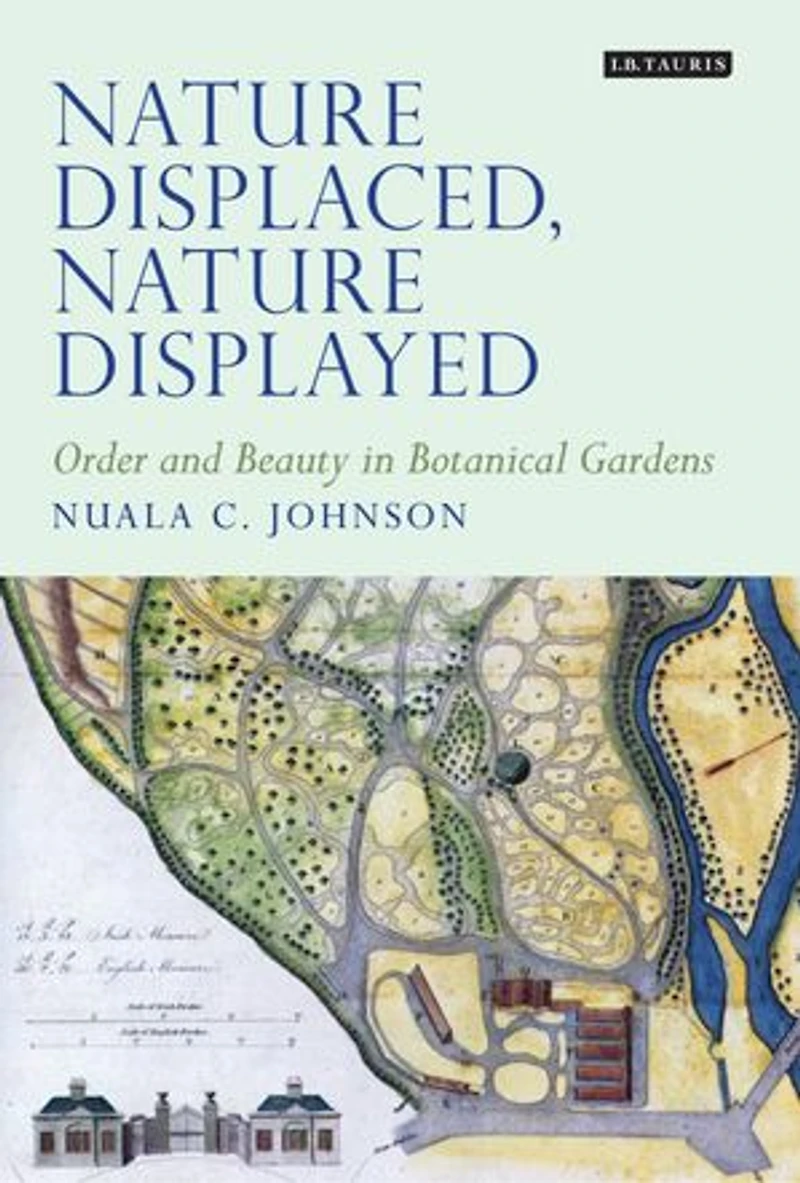
Nature Displaced, Nature Displayed: Order and Beauty in Botanical Gardens
Current price: $49.99
Original price: $62.05

Nature Displaced, Nature Displayed: Order and Beauty in Botanical Gardens
Current price: $49.99
Original price: $62.05
Loading Inventory...
Size: Kobo eBook
*Product information may vary - to confirm product availability, pricing, shipping and return information please contact Indigo
Botanical gardens brought together in a single space the great diversity of the earth's flora. They displaced nature from forest and foothill and re-arranged it to reveal something of the scientific principles underpinning the apparent chaos of the wild. Nature Displaced, Nature Displayed shows how the design and display of such gardens was not determined by scientific principles alone. Through a study of three botanical gardens - belonging to the University of Cambridge, the Royal Dublin Society, and the Belfast Natural History Society - the author shows how the final outcome involved a complex interplay of ideas about place, identity, empire, botanical science, and especially aesthetics, creating spaces that would educate the mind as well as please the senses. This highly engaging book offers a wealth of fresh insights into both the history and development of botanical gardens as well as connections between science and aesthetics.
Botanical gardens brought together in a single space the great diversity of the earth's flora. They displaced nature from forest and foothill and re-arranged it to reveal something of the scientific principles underpinning the apparent chaos of the wild. Nature Displaced, Nature Displayed shows how the design and display of such gardens was not determined by scientific principles alone. Through a study of three botanical gardens - belonging to the University of Cambridge, the Royal Dublin Society, and the Belfast Natural History Society - the author shows how the final outcome involved a complex interplay of ideas about place, identity, empire, botanical science, and especially aesthetics, creating spaces that would educate the mind as well as please the senses. This highly engaging book offers a wealth of fresh insights into both the history and development of botanical gardens as well as connections between science and aesthetics.
You May Also Like










More About Indigo at Erin Mills Town Centre
The largest book retailer in Canada also offers toys, music, home décor, gifts and lifestyle products. What's Inside...Books, Magazines, CD’s and DVD’s, Toys and Gifts, Home Accents, Electronics, Baby’s and Children’s Section, Bath and Body, Kitchen and Bedroom, Stationary Located outside in the exterior plaza.
5015 Glen Erin Dr, Mississauga, ON L5M 0R7, Canada
Find Indigo at Erin Mills Town Centre in Mississauga ON
Visit Indigo at Erin Mills Town Centre in Mississauga ON