

GIVE THE PERFECT GIFT
Erin Mills Town Centre Gift Cards are the perfect choice for your gift giving needs.Purchase gift cards at kiosks near the food court or centre court, at Guest Services, or click below to purchase online.PURCHASE HEREHome
Navigating Ports and the Circular Economy: Transitioning Fossil Fuel Ports for a Sustainable Future
Indigo
Loading Inventory...
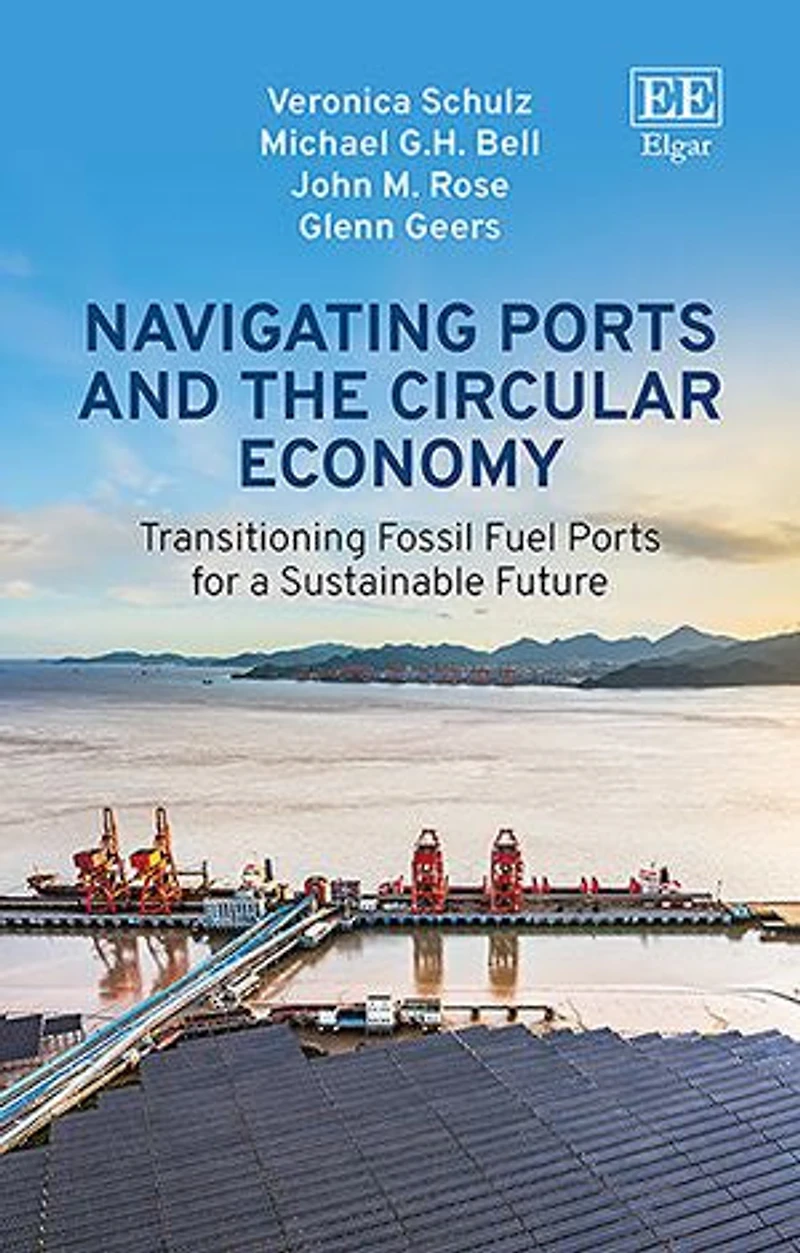
Navigating Ports and the Circular Economy: Transitioning Fossil Fuel Ports for a Sustainable Future
Current price: $41.59
Original price: $52.00

Navigating Ports and the Circular Economy: Transitioning Fossil Fuel Ports for a Sustainable Future
Current price: $41.59
Original price: $52.00
Loading Inventory...
Size: Kobo eBook
*Product information may vary - to confirm product availability, pricing, shipping and return information please contact Indigo
This forward-thinking book offers an actionable roadmap to reinventing fossil fuel ports as circular economy precincts. The authors advocate for decarbonised ports that recover materials, host clean energy production plants, and support new industries. With coordinated effort, ports can cut emissions, create skilled jobs, attract investment and improve local environments.
Using real-world cases, the book provides clear guidance on assessing existing assets and hinterland strengths, launching low-risk pilot projects, scaling proven technologies, redesigning business models and aligning policy, finance and governance. Chapters cover industrial symbiosis, renewable power, digital and automation solutions, funding options, and community engagement, with checklists, metrics and practical examples.
Navigating Ports and the Circular Economy is an essential resource for students and scholars in transport and maritime studies, industrial ecology and sustainability. It is also a beneficial guide for port leaders, policymakers, investors and communities seeking a credible path from fossil fuel dependence to resilient, low‑carbon growth.
This forward-thinking book offers an actionable roadmap to reinventing fossil fuel ports as circular economy precincts. The authors advocate for decarbonised ports that recover materials, host clean energy production plants, and support new industries. With coordinated effort, ports can cut emissions, create skilled jobs, attract investment and improve local environments.
Using real-world cases, the book provides clear guidance on assessing existing assets and hinterland strengths, launching low-risk pilot projects, scaling proven technologies, redesigning business models and aligning policy, finance and governance. Chapters cover industrial symbiosis, renewable power, digital and automation solutions, funding options, and community engagement, with checklists, metrics and practical examples.
Navigating Ports and the Circular Economy is an essential resource for students and scholars in transport and maritime studies, industrial ecology and sustainability. It is also a beneficial guide for port leaders, policymakers, investors and communities seeking a credible path from fossil fuel dependence to resilient, low‑carbon growth.
You May Also Like







More About Indigo at Erin Mills Town Centre
The largest book retailer in Canada also offers toys, music, home décor, gifts and lifestyle products. What's Inside...Books, Magazines, CD’s and DVD’s, Toys and Gifts, Home Accents, Electronics, Baby’s and Children’s Section, Bath and Body, Kitchen and Bedroom, Stationary Located outside in the exterior plaza.
5015 Glen Erin Dr, Mississauga, ON L5M 0R7, Canada
Find Indigo at Erin Mills Town Centre in Mississauga ON
Visit Indigo at Erin Mills Town Centre in Mississauga ON