

GIVE THE PERFECT GIFT
Erin Mills Town Centre Gift Cards are the perfect choice for your gift giving needs.Purchase gift cards at kiosks near the food court or centre court, at Guest Services, or click below to purchase online.PURCHASE HEREHome
Neurophysiological Techniques: Basic Methods and Concepts
Indigo
Loading Inventory...
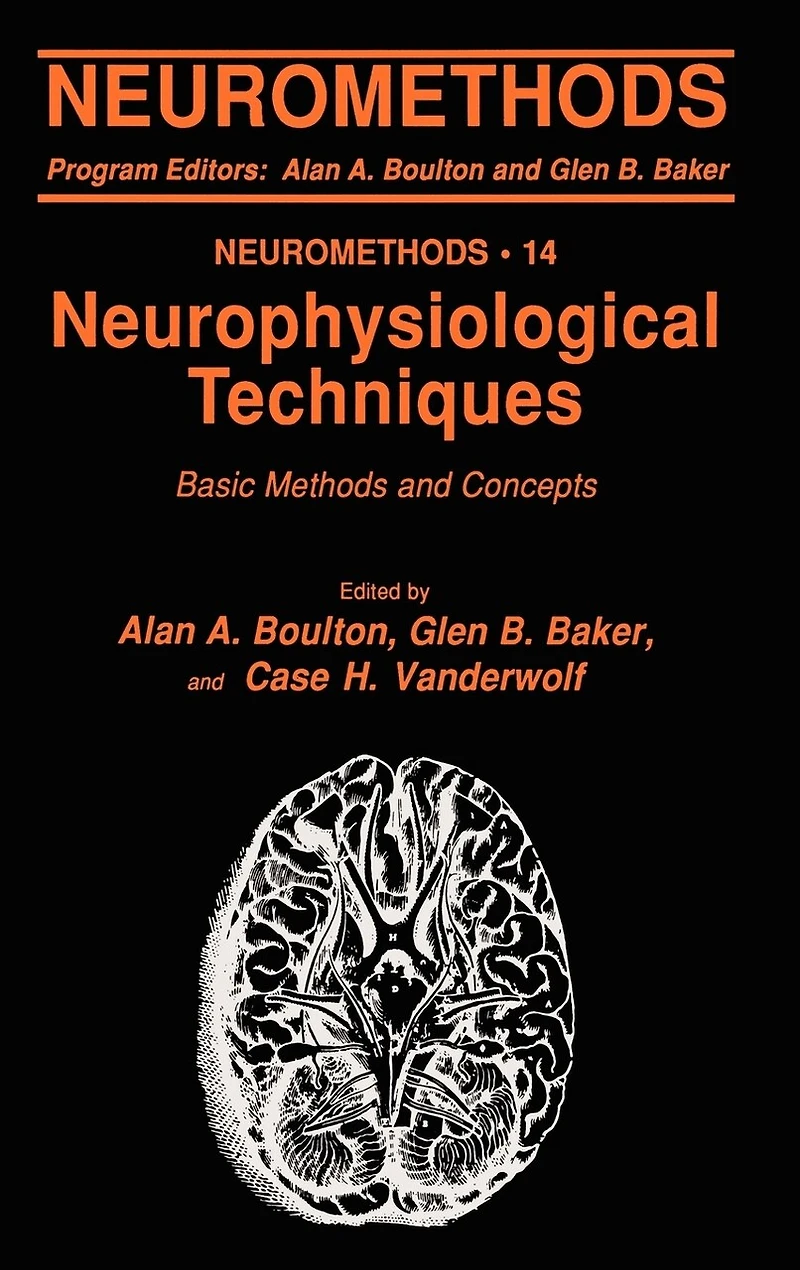
Neurophysiological Techniques: Basic Methods and Concepts
Current price: $160.95

Neurophysiological Techniques: Basic Methods and Concepts
Current price: $160.95
Loading Inventory...
Size: Hardcover
*Product information may vary - to confirm product availability, pricing, shipping and return information please contact Indigo
The development of neurophysiology, the study of the activity of living nervous tissue, has relied heavily on the techniques of electrophysiology. This emphasis is revealed in volumes 14 and 15 of this series, which show how electrophysiological techniques can be applied to research topics ranging from ion channels to human behavior. Kitai and Park show how cellular neurophysiology can be related to classical neuroanatomy, an important basis for any type of functional analysis. Wonderlin, French, Arispe, and Jones describe new (single channel) and more traditional (whole cell) techniques for studying the role of ion channels in cellular pr- esses, a field that is currently developing very rapidly. An exciting nontraditional approach to the study of cellular electrophysiology is discussed by Hopp, Wu, Xiao, Rioult, London, Zecevic, and Cohen in their paper on optic measurement of membrane pot- tials. Humphrey and Schmidt offer a thoughtful review of the uses and limitations of the technique of recording extracellular unit potentials in the brain. Hoffer presents an introduction to a field that is of great interest but is technically very difficult-the reco- ing from cells and axons in the spinal cord and peripheral nervous system in freely moving animals. An electrophysiological approach to the analysis of the neural mechanisms of normal behavior is presented by Halgren in a wide-ranging review of the field of evoked potentials in humans.
The development of neurophysiology, the study of the activity of living nervous tissue, has relied heavily on the techniques of electrophysiology. This emphasis is revealed in volumes 14 and 15 of this series, which show how electrophysiological techniques can be applied to research topics ranging from ion channels to human behavior. Kitai and Park show how cellular neurophysiology can be related to classical neuroanatomy, an important basis for any type of functional analysis. Wonderlin, French, Arispe, and Jones describe new (single channel) and more traditional (whole cell) techniques for studying the role of ion channels in cellular pr- esses, a field that is currently developing very rapidly. An exciting nontraditional approach to the study of cellular electrophysiology is discussed by Hopp, Wu, Xiao, Rioult, London, Zecevic, and Cohen in their paper on optic measurement of membrane pot- tials. Humphrey and Schmidt offer a thoughtful review of the uses and limitations of the technique of recording extracellular unit potentials in the brain. Hoffer presents an introduction to a field that is of great interest but is technically very difficult-the reco- ing from cells and axons in the spinal cord and peripheral nervous system in freely moving animals. An electrophysiological approach to the analysis of the neural mechanisms of normal behavior is presented by Halgren in a wide-ranging review of the field of evoked potentials in humans.
You May Also Like















More About Indigo at Erin Mills Town Centre
The largest book retailer in Canada also offers toys, music, home décor, gifts and lifestyle products. What's Inside...Books, Magazines, CD’s and DVD’s, Toys and Gifts, Home Accents, Electronics, Baby’s and Children’s Section, Bath and Body, Kitchen and Bedroom, Stationary Located outside in the exterior plaza.
5015 Glen Erin Dr, Mississauga, ON L5M 0R7, Canada
Find Indigo at Erin Mills Town Centre in Mississauga ON
Visit Indigo at Erin Mills Town Centre in Mississauga ON