

GIVE THE PERFECT GIFT
Erin Mills Town Centre Gift Cards are the perfect choice for your gift giving needs.Purchase gift cards at kiosks near the food court or centre court, at Guest Services, or click below to purchase online.PURCHASE HEREHome
Neuropsychological and psychosocial outcomes of patients with epilepsy after anterior temporal lobectomy.
Indigo
Loading Inventory...
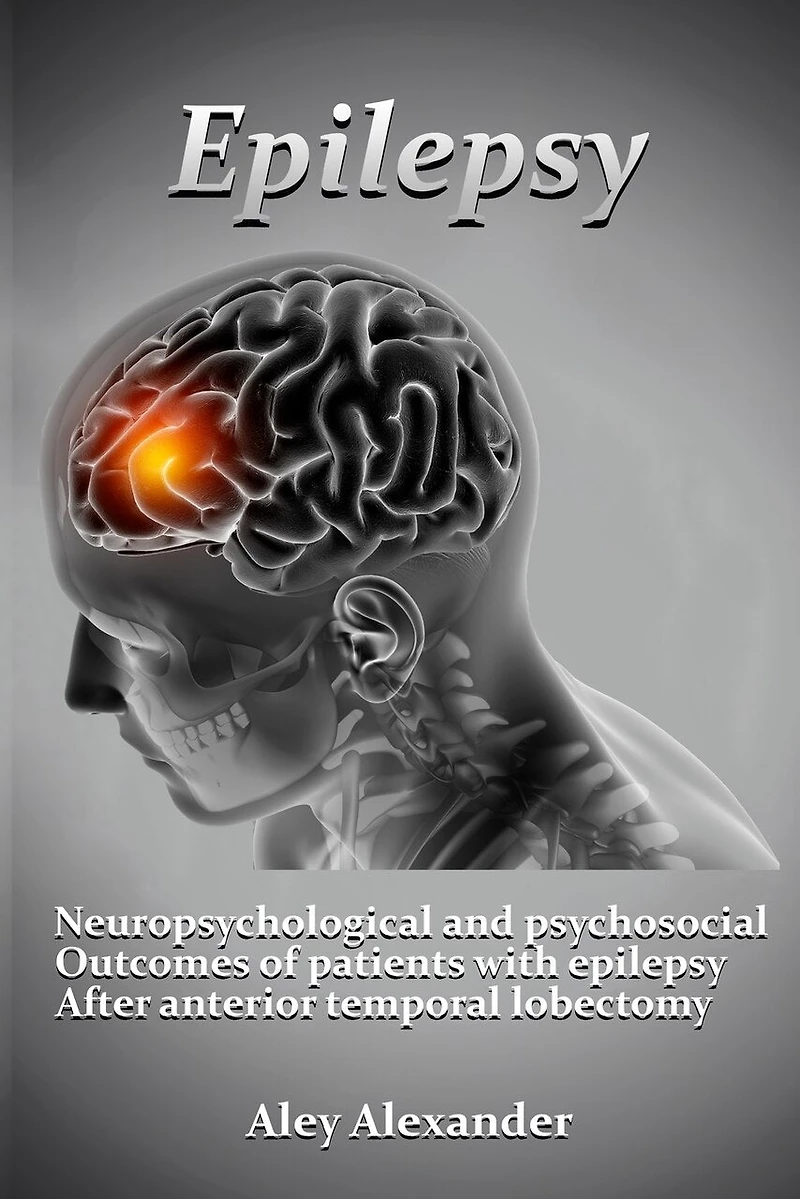
Neuropsychological and psychosocial outcomes of patients with epilepsy after anterior temporal lobectomy.
Current price: $102.99

Neuropsychological and psychosocial outcomes of patients with epilepsy after anterior temporal lobectomy.
Current price: $102.99
Loading Inventory...
Size: Paperback
*Product information may vary - to confirm product availability, pricing, shipping and return information please contact Indigo
Epilepsy: Prevalence, Incidence, Significance Epilepsy is defined as a condition characterized by the occurrence of at least two unprovoked seizures in an individual. The Atlas o f Epilepsy Care which was published in 2005 jointly by the World Health Organization (WHO), the International League Against Epilepsy (ILAE), and the International Bureau for Epilepsy (IBE), describes global dimensions of the medical sociological, psychological and financial consequences of epilepsy, and highlights the difficulties encountered in implementing epilepsy care programs. The authors concluded that when it comes to epilepsy care, most countries are developing countries. Nearly 1 in 20 of the general population will have an epileptic seizures and 1 in 200 will have epilepsy at some point in their lives (Hauser, & Kurland, 1975). With an age adjusted prevalence rate of □ 5/1000, and an annual incidence rate of 50/100,000, epilepsy is one of the commonest neurological diseases (Sander, & Shorvon, 1996). Epilepsy is considered to be "active" if the patient has had seizures irrespective of whether or not on antiepileptic drugs (AEDs) in the previous 5years. However, this excludes single seizure, febrile seizures and acute symptomatic seizures. It is considered to be "inactive" or "in remission" if the person with history of epilepsy has had no seizures for > 5 years with or without AEDs. Until recently, the management of epilepsy in a given patient, especially in resourcepoor countries like India, basically consisted of initiating AEDs, and titrating their doses. Little or no attention was paid to the proper diagnosis of seizure type and epilepsy syndrome, selection of an AED appropriate to the epilepsy, and its suitability and tolerability in a given patient, as well as the multiple psychosocial consequences of a chronic disease. This "one size fits all" approach, though helpful in some patients, often resulted in multiple trials of various AEDs with associated poor seizure control and profound adverse effects. This approach has more or less changed with the recognition of the importance of proper
Epilepsy: Prevalence, Incidence, Significance Epilepsy is defined as a condition characterized by the occurrence of at least two unprovoked seizures in an individual. The Atlas o f Epilepsy Care which was published in 2005 jointly by the World Health Organization (WHO), the International League Against Epilepsy (ILAE), and the International Bureau for Epilepsy (IBE), describes global dimensions of the medical sociological, psychological and financial consequences of epilepsy, and highlights the difficulties encountered in implementing epilepsy care programs. The authors concluded that when it comes to epilepsy care, most countries are developing countries. Nearly 1 in 20 of the general population will have an epileptic seizures and 1 in 200 will have epilepsy at some point in their lives (Hauser, & Kurland, 1975). With an age adjusted prevalence rate of □ 5/1000, and an annual incidence rate of 50/100,000, epilepsy is one of the commonest neurological diseases (Sander, & Shorvon, 1996). Epilepsy is considered to be "active" if the patient has had seizures irrespective of whether or not on antiepileptic drugs (AEDs) in the previous 5years. However, this excludes single seizure, febrile seizures and acute symptomatic seizures. It is considered to be "inactive" or "in remission" if the person with history of epilepsy has had no seizures for > 5 years with or without AEDs. Until recently, the management of epilepsy in a given patient, especially in resourcepoor countries like India, basically consisted of initiating AEDs, and titrating their doses. Little or no attention was paid to the proper diagnosis of seizure type and epilepsy syndrome, selection of an AED appropriate to the epilepsy, and its suitability and tolerability in a given patient, as well as the multiple psychosocial consequences of a chronic disease. This "one size fits all" approach, though helpful in some patients, often resulted in multiple trials of various AEDs with associated poor seizure control and profound adverse effects. This approach has more or less changed with the recognition of the importance of proper
You May Also Like













More About Indigo at Erin Mills Town Centre
The largest book retailer in Canada also offers toys, music, home décor, gifts and lifestyle products. What's Inside...Books, Magazines, CD’s and DVD’s, Toys and Gifts, Home Accents, Electronics, Baby’s and Children’s Section, Bath and Body, Kitchen and Bedroom, Stationary Located outside in the exterior plaza.
5015 Glen Erin Dr, Mississauga, ON L5M 0R7, Canada
Find Indigo at Erin Mills Town Centre in Mississauga ON
Visit Indigo at Erin Mills Town Centre in Mississauga ON