

GIVE THE PERFECT GIFT
Erin Mills Town Centre Gift Cards are the perfect choice for your gift giving needs.Purchase gift cards at kiosks near the food court or centre court, at Guest Services, or click below to purchase online.PURCHASE HEREHome
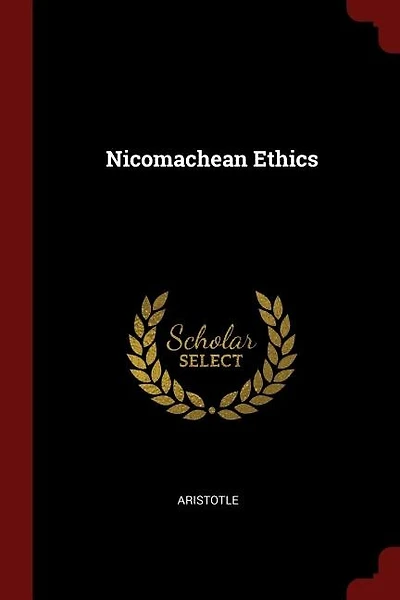
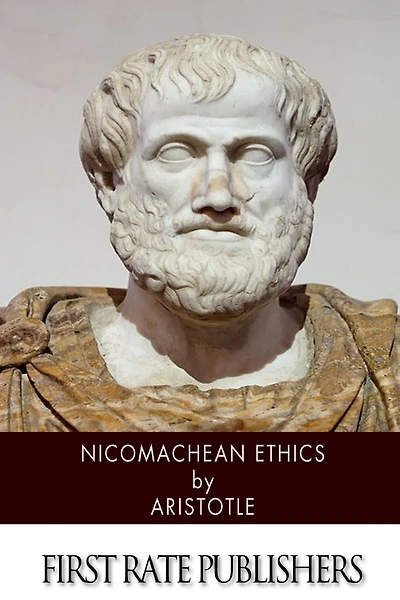
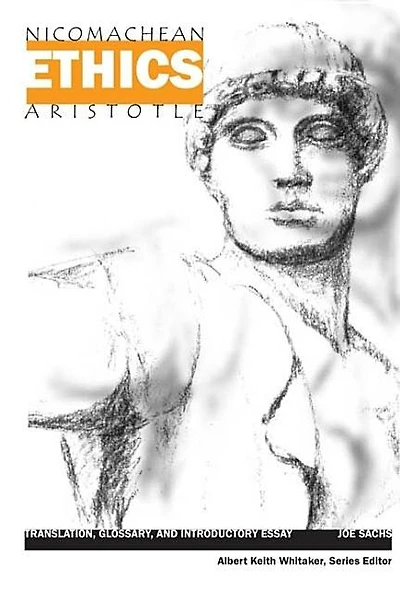
Nicomachean Ethics
Indigo
Loading Inventory...
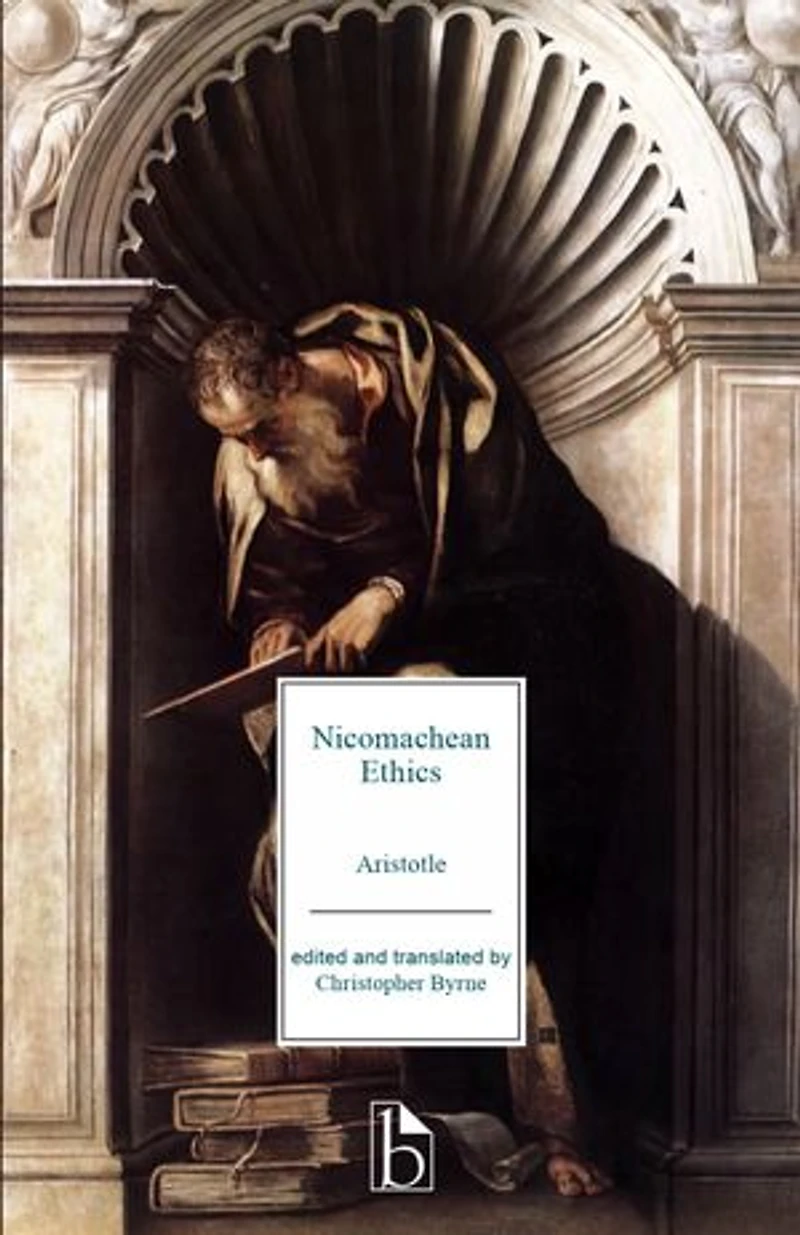
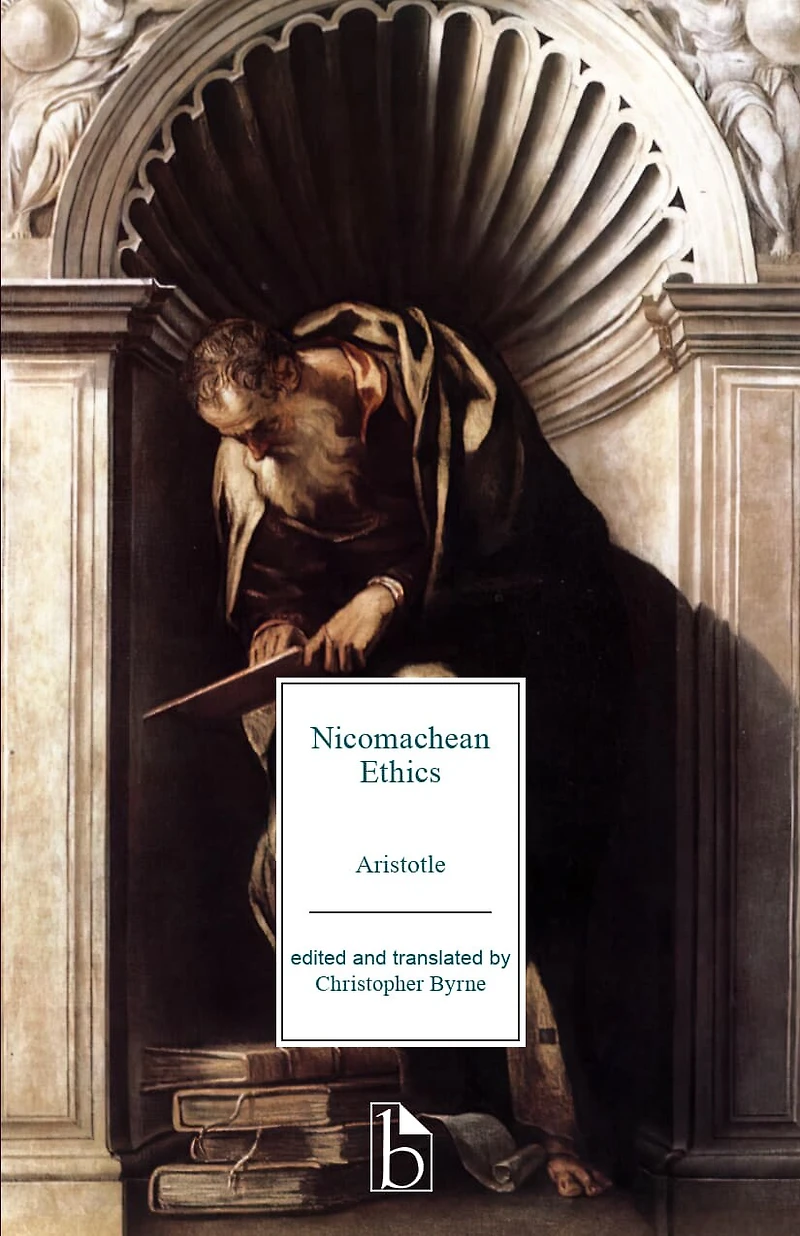
Nicomachean Ethics
Current price: $14.99

Nicomachean Ethics
Current price: $14.99
Loading Inventory...
Size: Kobo eBook
*Product information may vary - to confirm product availability, pricing, shipping and return information please contact Indigo
Aristotle’s Nicomachean Ethics is a book of enduring relevance that aims to answer the question of how human beings should live. Much, however, has changed since the time of ancient Greece, and the meanings of words aren’t static. The goal of Christopher Byrne’s new translation is thus to make Aristotle accessible to modern readers who share in the common humanity of Aristotle’s world but don’t share his vocabulary or his culture. This goal is also served through a concise introduction, chronologies of Aristotle’s life and of his philosophical impact, and extensive clarifying footnotes. Also included in this edition are appendices outlining the book’s main argument and the many virtues under discussion, as well as illuminating passages from Plato, Thomas Aquinas, and Aristotle’s other writings.
Aristotle’s Nicomachean Ethics is a book of enduring relevance that aims to answer the question of how human beings should live. Much, however, has changed since the time of ancient Greece, and the meanings of words aren’t static. The goal of Christopher Byrne’s new translation is thus to make Aristotle accessible to modern readers who share in the common humanity of Aristotle’s world but don’t share his vocabulary or his culture. This goal is also served through a concise introduction, chronologies of Aristotle’s life and of his philosophical impact, and extensive clarifying footnotes. Also included in this edition are appendices outlining the book’s main argument and the many virtues under discussion, as well as illuminating passages from Plato, Thomas Aquinas, and Aristotle’s other writings.
You May Also Like
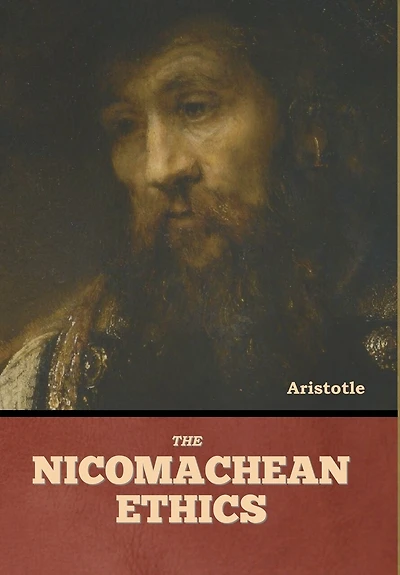







More About Indigo at Erin Mills Town Centre
The largest book retailer in Canada also offers toys, music, home décor, gifts and lifestyle products. What's Inside...Books, Magazines, CD’s and DVD’s, Toys and Gifts, Home Accents, Electronics, Baby’s and Children’s Section, Bath and Body, Kitchen and Bedroom, Stationary Located outside in the exterior plaza.
5015 Glen Erin Dr, Mississauga, ON L5M 0R7, Canada
Find Indigo at Erin Mills Town Centre in Mississauga ON
Visit Indigo at Erin Mills Town Centre in Mississauga ON