

GIVE THE PERFECT GIFT
Erin Mills Town Centre Gift Cards are the perfect choice for your gift giving needs.Purchase gift cards at kiosks near the food court or centre court, at Guest Services, or click below to purchase online.PURCHASE HEREHome
Nicomachean Ethics
Indigo
Loading Inventory...
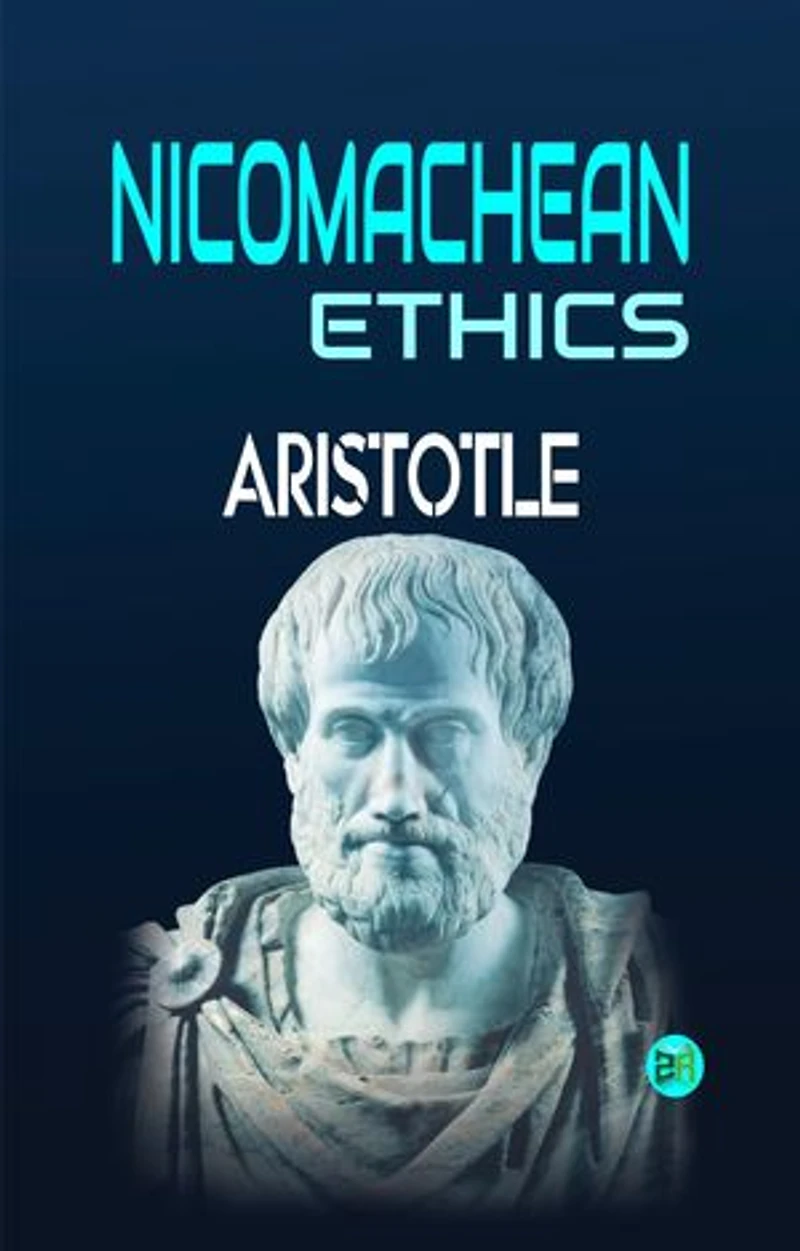
Nicomachean Ethics
Current price: $1.32

Nicomachean Ethics
Current price: $1.32
Loading Inventory...
Size: Kobo eBook
*Product information may vary - to confirm product availability, pricing, shipping and return information please contact Indigo
"Nicomachean Ethics" is a philosophical treatise written by the ancient Greek philosopher Aristotle. The work is named after Aristotle's son Nicomachus and is considered one of the most important works in the history of Western philosophy.The "Nicomachean Ethics" is concerned with the nature of moral and ethical behavior and the virtues that are necessary for a good life. Aristotle argues that the ultimate goal of human life is eudaimonia, which is often translated as "happiness" or "flourishing." However, Aristotle believes that eudaimonia is not a subjective feeling but a state of being that is achieved through a lifetime of virtuous behavior.Aristotle identifies two types of virtues: moral virtues and intellectual virtues. Moral virtues are habits or dispositions that lead to good moral behavior, such as courage, generosity, and honesty. Intellectual virtues are traits of the mind, such as wisdom and understanding, that enable a person to reason well and make good decisions.Aristotle's ethics also emphasizes the importance of finding a mean between extremes of behavior. He argues that every virtue is a mean between two vices, with the virtuous person avoiding both excess and deficiency.
"Nicomachean Ethics" is a philosophical treatise written by the ancient Greek philosopher Aristotle. The work is named after Aristotle's son Nicomachus and is considered one of the most important works in the history of Western philosophy.The "Nicomachean Ethics" is concerned with the nature of moral and ethical behavior and the virtues that are necessary for a good life. Aristotle argues that the ultimate goal of human life is eudaimonia, which is often translated as "happiness" or "flourishing." However, Aristotle believes that eudaimonia is not a subjective feeling but a state of being that is achieved through a lifetime of virtuous behavior.Aristotle identifies two types of virtues: moral virtues and intellectual virtues. Moral virtues are habits or dispositions that lead to good moral behavior, such as courage, generosity, and honesty. Intellectual virtues are traits of the mind, such as wisdom and understanding, that enable a person to reason well and make good decisions.Aristotle's ethics also emphasizes the importance of finding a mean between extremes of behavior. He argues that every virtue is a mean between two vices, with the virtuous person avoiding both excess and deficiency.
You May Also Like







More About Indigo at Erin Mills Town Centre
The largest book retailer in Canada also offers toys, music, home décor, gifts and lifestyle products. What's Inside...Books, Magazines, CD’s and DVD’s, Toys and Gifts, Home Accents, Electronics, Baby’s and Children’s Section, Bath and Body, Kitchen and Bedroom, Stationary Located outside in the exterior plaza.
5015 Glen Erin Dr, Mississauga, ON L5M 0R7, Canada
Find Indigo at Erin Mills Town Centre in Mississauga ON
Visit Indigo at Erin Mills Town Centre in Mississauga ON