

GIVE THE PERFECT GIFT
Erin Mills Town Centre Gift Cards are the perfect choice for your gift giving needs.Purchase gift cards at kiosks near the food court or centre court, at Guest Services, or click below to purchase online.PURCHASE HEREHome
Nietzsche: A Very Short Introduction: A Very Short Introduction
Indigo
Loading Inventory...
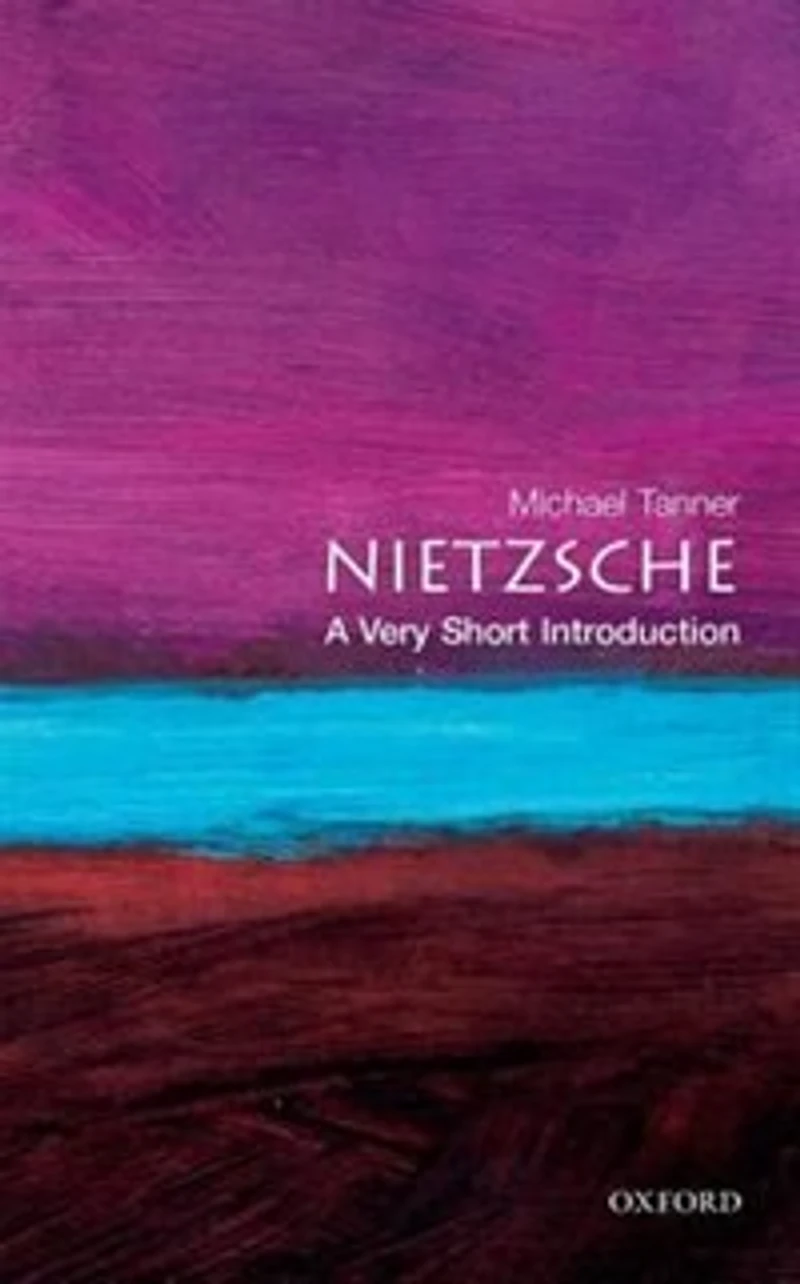
Nietzsche: A Very Short Introduction: A Very Short Introduction
Current price: $12.45

Nietzsche: A Very Short Introduction: A Very Short Introduction
Current price: $12.45
Loading Inventory...
Size: Paperback
*Product information may vary - to confirm product availability, pricing, shipping and return information please contact Indigo
The philosophy of Friedrich Nietzsche (1844-1900) was almost wholly neglected during his sane life, which came to an abrupt end in 1889. Since then he has been appropriated as an icon by an astonishingly diverse spectrum of people, whose interpretations of his thought range from the highly
irrational to the firmly analytical. Thus Spoke Zarathustra introduced the ''superman'' and The Twilight of the Idols developed the ''Will to Power'' concept; these term, together with ''Sklavenmoral'' and ''Herrenmoral'', became confused with the rise of nationalism in Germany.
Idiosyncratic and aphoristic, Nietzsche is always bracing and provocative, and temptingly easy to dip into. Michael Tanner''s readable introduction to the philosopher''s life and work examines the numerous ambiguities inherent in his writings. It also explodes the many misconceptions fostered in the
hundred years since Nietzsche wrote, prophetically: ''Do not, above all, confound me with what I am not!''
The philosophy of Friedrich Nietzsche (1844-1900) was almost wholly neglected during his sane life, which came to an abrupt end in 1889. Since then he has been appropriated as an icon by an astonishingly diverse spectrum of people, whose interpretations of his thought range from the highly
irrational to the firmly analytical. Thus Spoke Zarathustra introduced the ''superman'' and The Twilight of the Idols developed the ''Will to Power'' concept; these term, together with ''Sklavenmoral'' and ''Herrenmoral'', became confused with the rise of nationalism in Germany.
Idiosyncratic and aphoristic, Nietzsche is always bracing and provocative, and temptingly easy to dip into. Michael Tanner''s readable introduction to the philosopher''s life and work examines the numerous ambiguities inherent in his writings. It also explodes the many misconceptions fostered in the
hundred years since Nietzsche wrote, prophetically: ''Do not, above all, confound me with what I am not!''
You May Also Like








More About Indigo at Erin Mills Town Centre
The largest book retailer in Canada also offers toys, music, home décor, gifts and lifestyle products. What's Inside...Books, Magazines, CD’s and DVD’s, Toys and Gifts, Home Accents, Electronics, Baby’s and Children’s Section, Bath and Body, Kitchen and Bedroom, Stationary Located outside in the exterior plaza.
5015 Glen Erin Dr, Mississauga, ON L5M 0R7, Canada
Find Indigo at Erin Mills Town Centre in Mississauga ON
Visit Indigo at Erin Mills Town Centre in Mississauga ON