

GIVE THE PERFECT GIFT
Erin Mills Town Centre Gift Cards are the perfect choice for your gift giving needs.Purchase gift cards at kiosks near the food court or centre court, at Guest Services, or click below to purchase online.PURCHASE HEREHome
Nietzsche as Egoist and Mystic
Indigo
Loading Inventory...
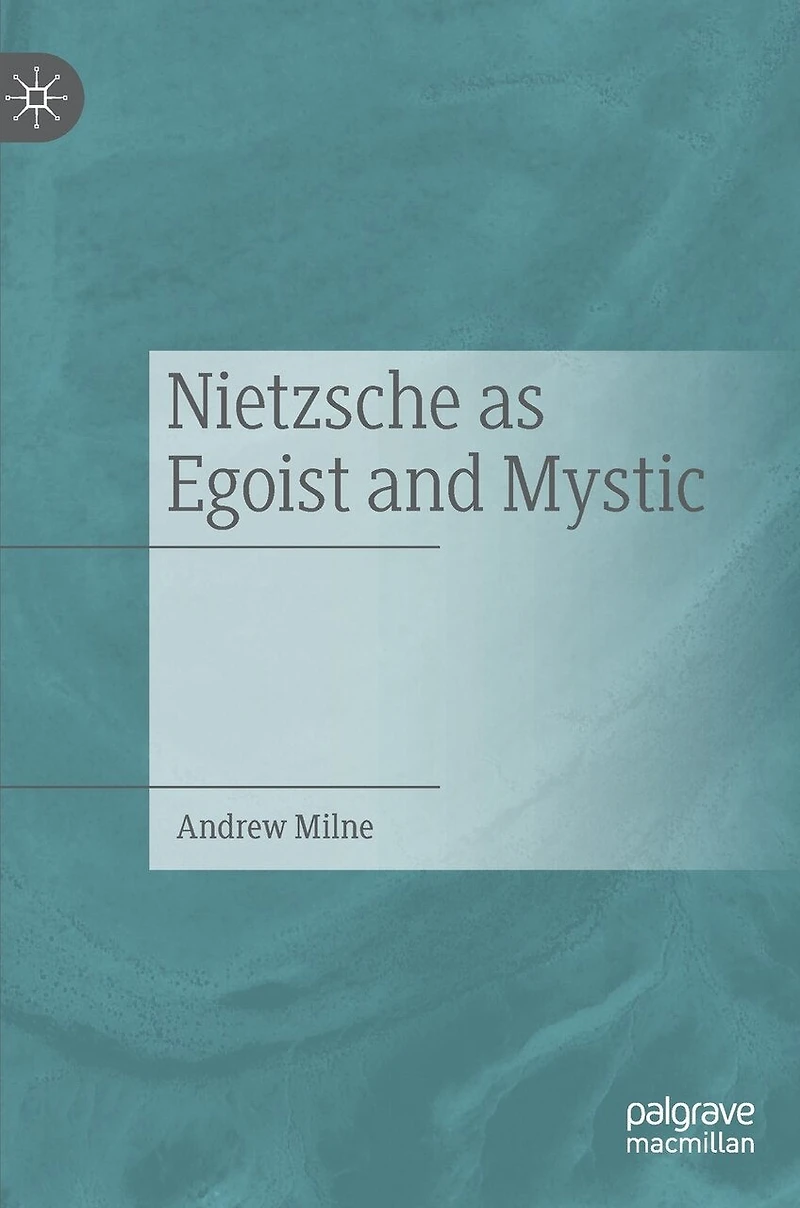
Nietzsche as Egoist and Mystic
Current price: $189.95

Nietzsche as Egoist and Mystic
Current price: $189.95
Loading Inventory...
Size: Hardcover
*Product information may vary - to confirm product availability, pricing, shipping and return information please contact Indigo
This book is an attempt to make sense of the tension in Nietzsche's work between the unashamedly egocentric and the apparently mystical. While scholars have tended to downplay one or other of these aspects, it is the author's contention that the two are not only compatible but mutually illuminating. This book demonstrates Nietzsche's sustained interest in mysticism from the time of The Birth of Tragedy right through to the end of his productive life. This book argues against situating Nietzsche's religious thought in the context of Buddhist or Christian mystical traditions, demonstrating the inadequacy of attempts to mediate between Nietzsche and Meister Eckhart and the Bodhisattva ideal of Mahayana Buddhism. Rather, it is argued that Nietzsche's egoism and mysticism are best understood in the intellectual context which he himself avowed, according to which his "ancestors" were Heraclitus, Empedocles, Spinoza, and Goethe.
This book is an attempt to make sense of the tension in Nietzsche's work between the unashamedly egocentric and the apparently mystical. While scholars have tended to downplay one or other of these aspects, it is the author's contention that the two are not only compatible but mutually illuminating. This book demonstrates Nietzsche's sustained interest in mysticism from the time of The Birth of Tragedy right through to the end of his productive life. This book argues against situating Nietzsche's religious thought in the context of Buddhist or Christian mystical traditions, demonstrating the inadequacy of attempts to mediate between Nietzsche and Meister Eckhart and the Bodhisattva ideal of Mahayana Buddhism. Rather, it is argued that Nietzsche's egoism and mysticism are best understood in the intellectual context which he himself avowed, according to which his "ancestors" were Heraclitus, Empedocles, Spinoza, and Goethe.
You May Also Like







More About Indigo at Erin Mills Town Centre
The largest book retailer in Canada also offers toys, music, home décor, gifts and lifestyle products. What's Inside...Books, Magazines, CD’s and DVD’s, Toys and Gifts, Home Accents, Electronics, Baby’s and Children’s Section, Bath and Body, Kitchen and Bedroom, Stationary Located outside in the exterior plaza.
5015 Glen Erin Dr, Mississauga, ON L5M 0R7, Canada
Find Indigo at Erin Mills Town Centre in Mississauga ON
Visit Indigo at Erin Mills Town Centre in Mississauga ON