

GIVE THE PERFECT GIFT
Erin Mills Town Centre Gift Cards are the perfect choice for your gift giving needs.Purchase gift cards at kiosks near the food court or centre court, at Guest Services, or click below to purchase online.PURCHASE HEREHome
Nihilism and Philosophy: Nothingness, Truth World
Indigo
Loading Inventory...
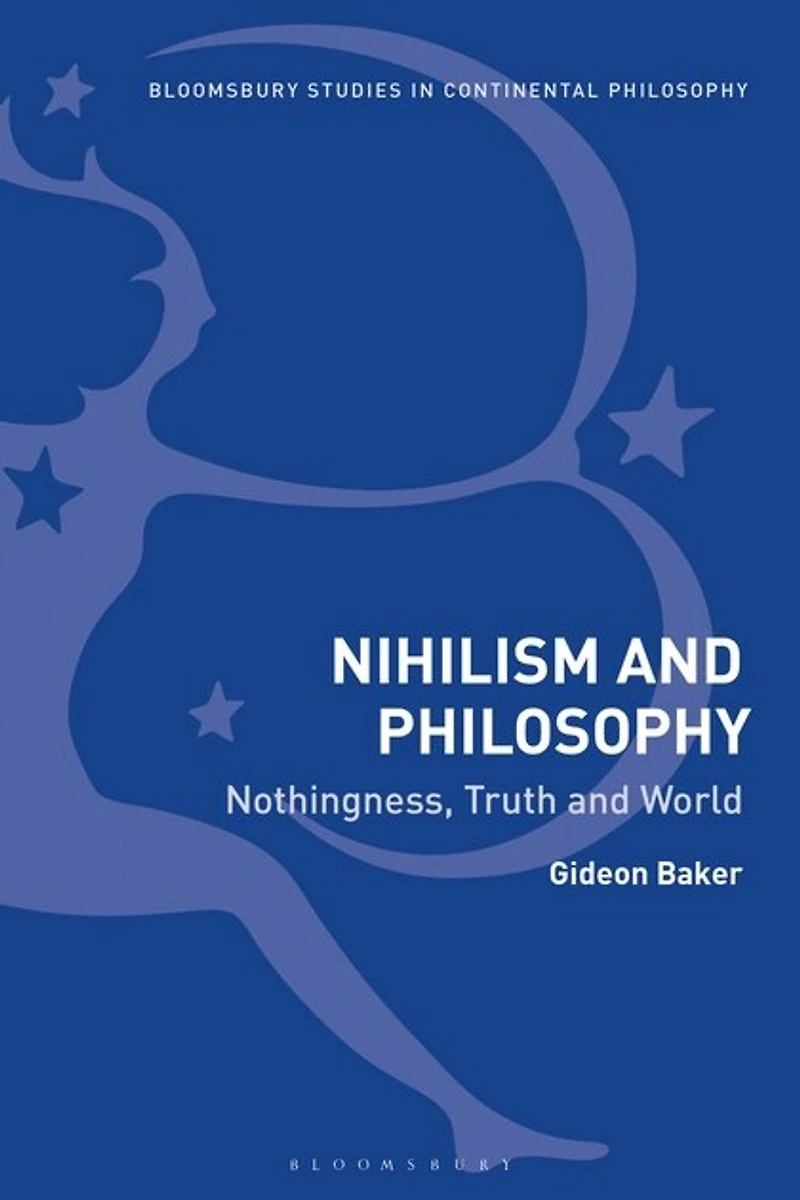
Nihilism and Philosophy: Nothingness, Truth World
Current price: $255.50

Nihilism and Philosophy: Nothingness, Truth World
Current price: $255.50
Loading Inventory...
Size: Hardcover
*Product information may vary - to confirm product availability, pricing, shipping and return information please contact Indigo
The question of nihilism is always a question of truth. It is a crisis of truth that causes the experience of the nothingness of existence. What elevated truth to this existential position? The answer is: philosophy. The philosophical will to truth opens the door to nihilism, since it both makes identifying truth the utmost aim and yet continually calls it into question. Baker develops the central insight that the crises of truth and of existence, or 'loss of world', that occur within nihilistic thought are inseparable, in a wide-ranging study from antiquity to the present, from ancient Cynics, St Paul, Nietzsche, Heidegger, Foucault, Agamben, and Badiou. Baker contends that since nihilism is always a question of the relation to the world occasioned by the philosophical will to truth, an answer to nihilism must be able to propose a new understanding of truth.
The question of nihilism is always a question of truth. It is a crisis of truth that causes the experience of the nothingness of existence. What elevated truth to this existential position? The answer is: philosophy. The philosophical will to truth opens the door to nihilism, since it both makes identifying truth the utmost aim and yet continually calls it into question. Baker develops the central insight that the crises of truth and of existence, or 'loss of world', that occur within nihilistic thought are inseparable, in a wide-ranging study from antiquity to the present, from ancient Cynics, St Paul, Nietzsche, Heidegger, Foucault, Agamben, and Badiou. Baker contends that since nihilism is always a question of the relation to the world occasioned by the philosophical will to truth, an answer to nihilism must be able to propose a new understanding of truth.
You May Also Like







More About Indigo at Erin Mills Town Centre
The largest book retailer in Canada also offers toys, music, home décor, gifts and lifestyle products. What's Inside...Books, Magazines, CD’s and DVD’s, Toys and Gifts, Home Accents, Electronics, Baby’s and Children’s Section, Bath and Body, Kitchen and Bedroom, Stationary Located outside in the exterior plaza.
5015 Glen Erin Dr, Mississauga, ON L5M 0R7, Canada
Find Indigo at Erin Mills Town Centre in Mississauga ON
Visit Indigo at Erin Mills Town Centre in Mississauga ON