

GIVE THE PERFECT GIFT
Erin Mills Town Centre Gift Cards are the perfect choice for your gift giving needs.Purchase gift cards at kiosks near the food court or centre court, at Guest Services, or click below to purchase online.PURCHASE HEREHome
No 126 Wing RCAF
Indigo
Loading Inventory...
No 126 Wing RCAF
Current price: $23.09
Original price: $28.80

No 126 Wing RCAF
Current price: $23.09
Original price: $28.80
Loading Inventory...
Size: Kobo eBook (2013 A)
*Product information may vary - to confirm product availability, pricing, shipping and return information please contact Indigo
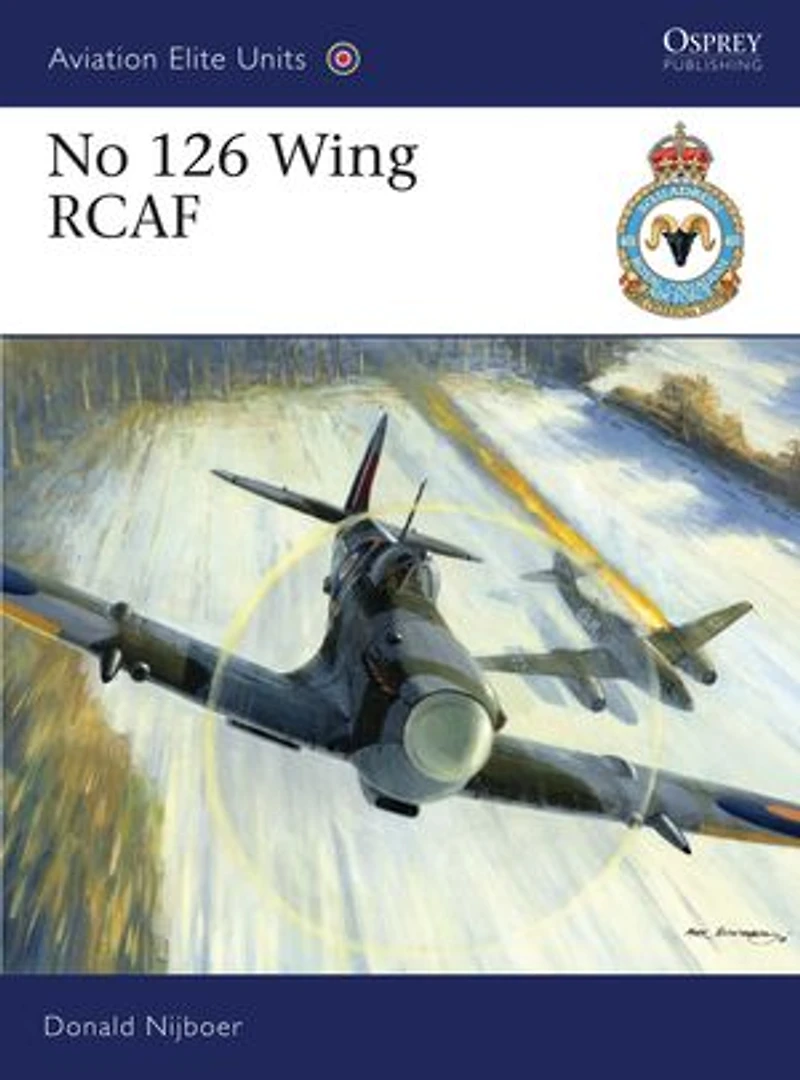
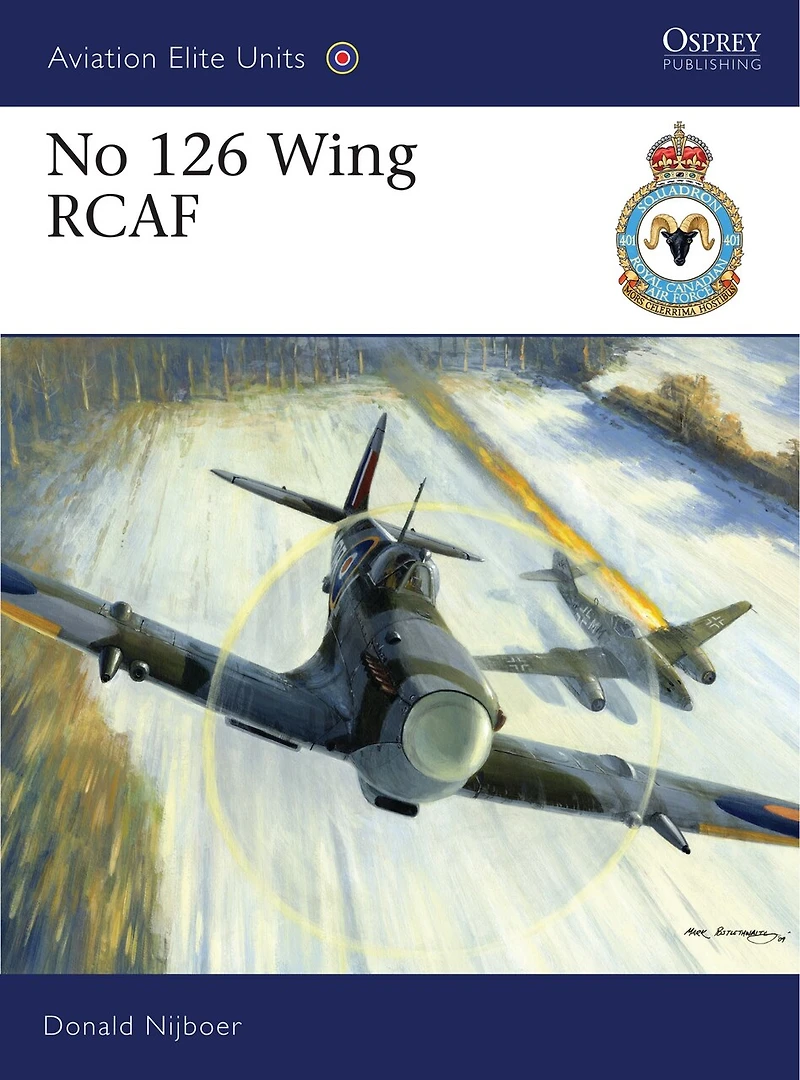
The success of No 126 Wing began before the D-Day landings, but its phenomenal performance after the Normandy invasion has no simple explanation. True, it profited from being in all the right places at all the right moments during the war - D-Day and the breakout, Falaise Gap, Operation Market Garden, the winter offensive in the Ardennes, and crossing the Rhine into Germany. But other wings with 2nd TAF participated in the same operations, without achieving nearly the same success as No 126.
As a self-contained unit, the five squadrons of Spitfires of No 126 Wing were self-sufficient in everything they did. When the order came to move - men, fuel, ammunition and everything vital for its operation picked up and drove to the next farmer's field or suitable meadow. Often traveling in the dark on bombed out roads, these ground units did an amazing job of not only finding their new bases of operation, but preparing the field for the fighters ready for the next day's flights. Every landing strip was temporary and just miles from the frontline. Home was a tent, a slit trench a place of safety. Dysentery was a common companion, making some pilots too weak to fly. Often they were shelled by German artillery and mortars, and many times they found themselves behind enemy lines.
This is a truly unique look at one of the most effective air force units ever devised. Before D-Day 1944, a mobile fighter wing had never been tried before, but after the Normandy landings the ground forces could not move without their valuable support. This book examines the wing's operations chapter by chapter as defined by the major ground operations. It also highlights the effectiveness of the Spitfire in the fighter-bomber role, as well as in its more familiar air-superiority mission - the Spitfire clearly dominated the skies over the advancing armies and proved itself once again to be the most effective fighter of World War 2. But as successful as the wing was, it was only as strong as the young men who gave so much of their physical strength, intelligence and courage to make it happen. Squadron biographies, therefore, are also included, as well as biographies of the top aces and a close examination of the day-to-day operations of a mobile fighter wing.
The success of No 126 Wing began before the D-Day landings, but its phenomenal performance after the Normandy invasion has no simple explanation. True, it profited from being in all the right places at all the right moments during the war - D-Day and the breakout, Falaise Gap, Operation Market Garden, the winter offensive in the Ardennes, and crossing the Rhine into Germany. But other wings with 2nd TAF participated in the same operations, without achieving nearly the same success as No 126.
As a self-contained unit, the five squadrons of Spitfires of No 126 Wing were self-sufficient in everything they did. When the order came to move - men, fuel, ammunition and everything vital for its operation picked up and drove to the next farmer's field or suitable meadow. Often traveling in the dark on bombed out roads, these ground units did an amazing job of not only finding their new bases of operation, but preparing the field for the fighters ready for the next day's flights. Every landing strip was temporary and just miles from the frontline. Home was a tent, a slit trench a place of safety. Dysentery was a common companion, making some pilots too weak to fly. Often they were shelled by German artillery and mortars, and many times they found themselves behind enemy lines.
This is a truly unique look at one of the most effective air force units ever devised. Before D-Day 1944, a mobile fighter wing had never been tried before, but after the Normandy landings the ground forces could not move without their valuable support. This book examines the wing's operations chapter by chapter as defined by the major ground operations. It also highlights the effectiveness of the Spitfire in the fighter-bomber role, as well as in its more familiar air-superiority mission - the Spitfire clearly dominated the skies over the advancing armies and proved itself once again to be the most effective fighter of World War 2. But as successful as the wing was, it was only as strong as the young men who gave so much of their physical strength, intelligence and courage to make it happen. Squadron biographies, therefore, are also included, as well as biographies of the top aces and a close examination of the day-to-day operations of a mobile fighter wing.
You May Also Like















More About Indigo at Erin Mills Town Centre
The largest book retailer in Canada also offers toys, music, home décor, gifts and lifestyle products. What's Inside...Books, Magazines, CD’s and DVD’s, Toys and Gifts, Home Accents, Electronics, Baby’s and Children’s Section, Bath and Body, Kitchen and Bedroom, Stationary Located outside in the exterior plaza.
5015 Glen Erin Dr, Mississauga, ON L5M 0R7, Canada
Find Indigo at Erin Mills Town Centre in Mississauga ON
Visit Indigo at Erin Mills Town Centre in Mississauga ON