

GIVE THE PERFECT GIFT
Erin Mills Town Centre Gift Cards are the perfect choice for your gift giving needs.Purchase gift cards at kiosks near the food court or centre court, at Guest Services, or click below to purchase online.PURCHASE HEREHome
Non-Democratic Legitimacy During the Arab Spring: Defending Dictatorship
Indigo
Loading Inventory...
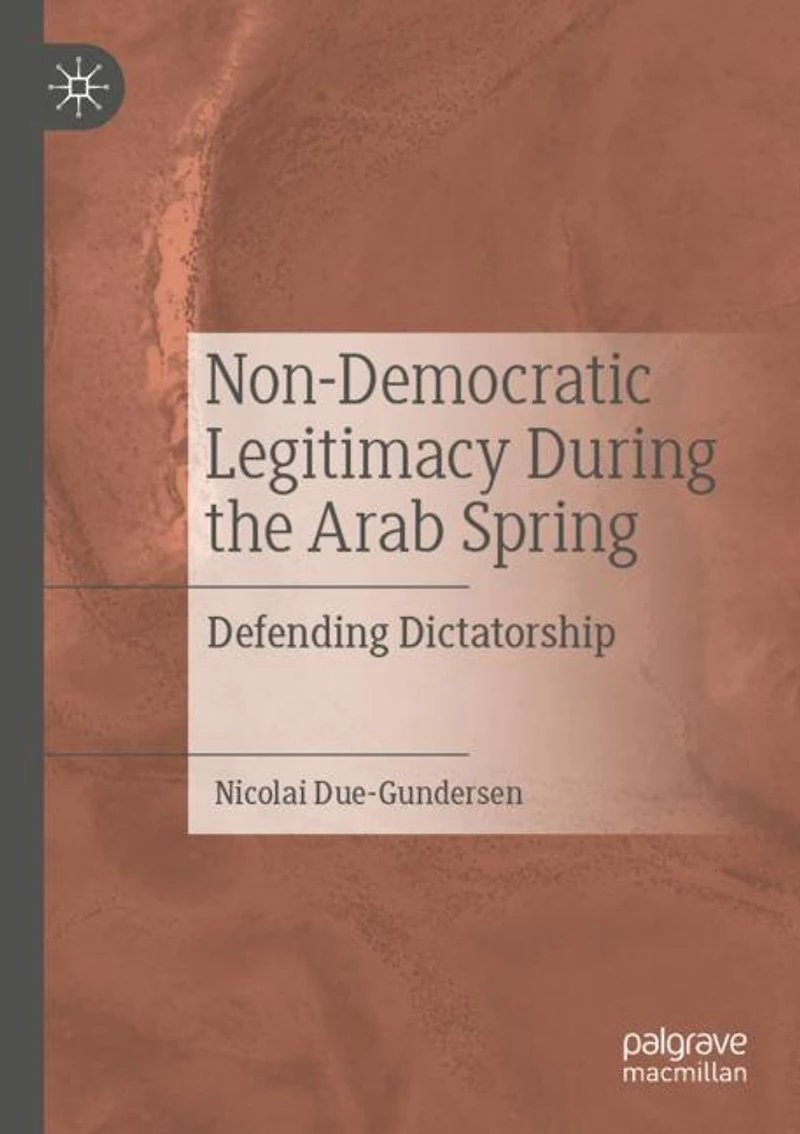
Non-Democratic Legitimacy During the Arab Spring: Defending Dictatorship
Current price: $160.95

Non-Democratic Legitimacy During the Arab Spring: Defending Dictatorship
Current price: $160.95
Loading Inventory...
Size: Paperback
*Product information may vary - to confirm product availability, pricing, shipping and return information please contact Indigo
This book analyzes non-democratic legitimacy during the Arab Spring. During this historic event, monarchs and presidents were forced to defend their rule, whether through Islam, the cultural image of paternalism or the cash flow of welfare. Can Arab leaders still justify apolitical reigns? Are monarchies more respected than republicans or are they too under threat? The author traces the history of apolitical rule in the Arab world, from Islamic roots to the role of Arab leaders in merging religion with socio-economic benefits and cosmetic liberalization. Finally, analysis of speeches given by leaders of Tunisia, Egypt, Jordan and Bahrain in response to the Arab Spring are considered. When protesters took to the streets with their slogans, the regimes talked back. This work discusses the weight of their words and why some leaders survived unrest while others were overthrown. To engage with the author and book further, you can find their presentation discussing their experience publishing with Palgrave Macmillan here: https://youtu.be/NfKETFx4sok; and their presentation discussing the book itself here: https://www.youtube.com/watch?v=rJU6_3M3xyo
This book analyzes non-democratic legitimacy during the Arab Spring. During this historic event, monarchs and presidents were forced to defend their rule, whether through Islam, the cultural image of paternalism or the cash flow of welfare. Can Arab leaders still justify apolitical reigns? Are monarchies more respected than republicans or are they too under threat? The author traces the history of apolitical rule in the Arab world, from Islamic roots to the role of Arab leaders in merging religion with socio-economic benefits and cosmetic liberalization. Finally, analysis of speeches given by leaders of Tunisia, Egypt, Jordan and Bahrain in response to the Arab Spring are considered. When protesters took to the streets with their slogans, the regimes talked back. This work discusses the weight of their words and why some leaders survived unrest while others were overthrown. To engage with the author and book further, you can find their presentation discussing their experience publishing with Palgrave Macmillan here: https://youtu.be/NfKETFx4sok; and their presentation discussing the book itself here: https://www.youtube.com/watch?v=rJU6_3M3xyo
You May Also Like







More About Indigo at Erin Mills Town Centre
The largest book retailer in Canada also offers toys, music, home décor, gifts and lifestyle products. What's Inside...Books, Magazines, CD’s and DVD’s, Toys and Gifts, Home Accents, Electronics, Baby’s and Children’s Section, Bath and Body, Kitchen and Bedroom, Stationary Located outside in the exterior plaza.
5015 Glen Erin Dr, Mississauga, ON L5M 0R7, Canada
Find Indigo at Erin Mills Town Centre in Mississauga ON
Visit Indigo at Erin Mills Town Centre in Mississauga ON