

GIVE THE PERFECT GIFT
Erin Mills Town Centre Gift Cards are the perfect choice for your gift giving needs.Purchase gift cards at kiosks near the food court or centre court, at Guest Services, or click below to purchase online.PURCHASE HEREHome
Non-thermal Food Engineering Operations
Indigo
Loading Inventory...
Non-thermal Food Engineering Operations
Current price: $129.95

Non-thermal Food Engineering Operations
Current price: $129.95
Loading Inventory...
Size: Paperback
*Product information may vary - to confirm product availability, pricing, shipping and return information please contact Indigo
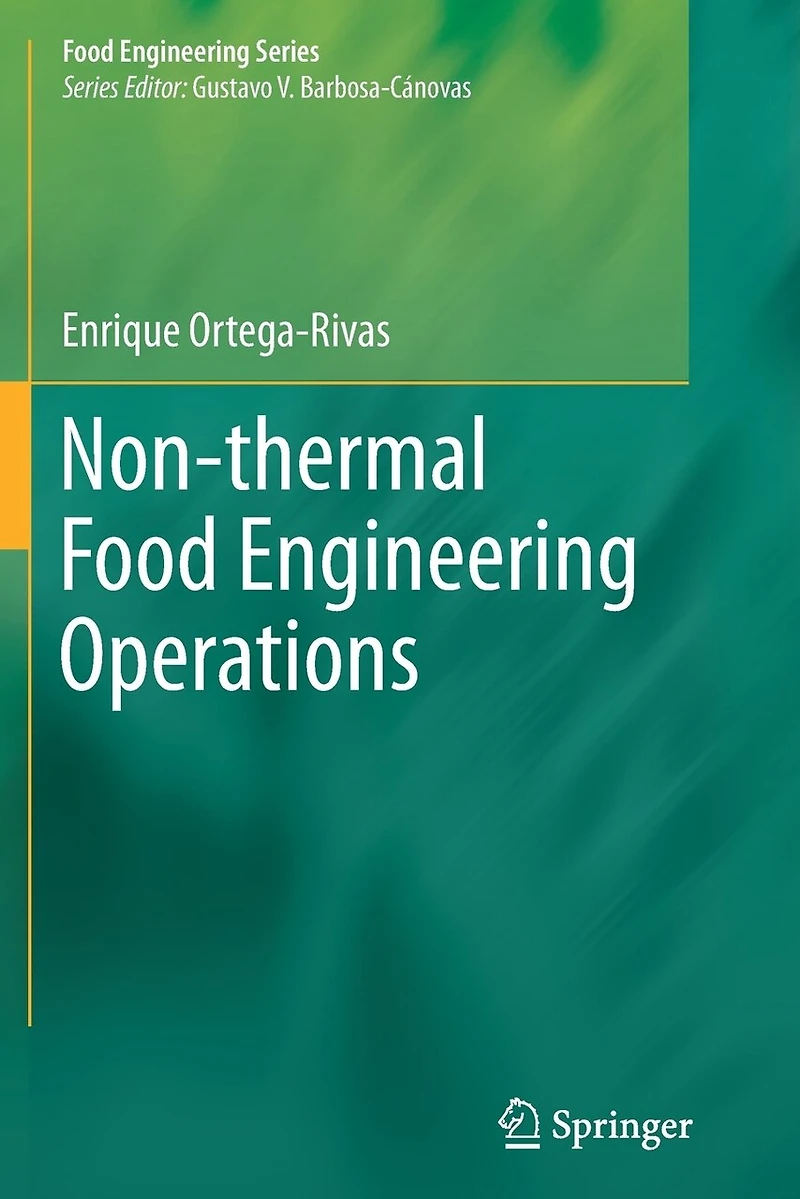
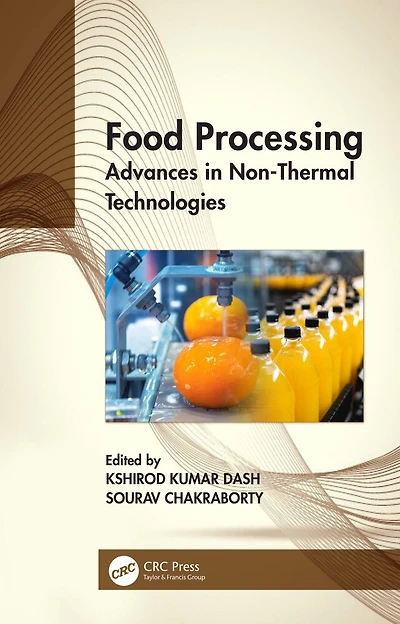
A number of food engineering operations, in which heat is not used as a preserving factor, have been employed and are applied for preparation (cleaning, sorting, etc.), conversion (milling, agglomeration, etc.) or preservation (irradiation, high pressure processing, pulsed electric fields, etc.) purposes in the food industry. This book presents a comprehensive treatise of all normally used food engineering operations that are carried out at room (or ambient) conditions, whether they are aimed at producing microbiologically safe foods with minimum alteration to sensory and nutritive properties, or they constitute routine preparative or transformation operations. The book is written for both undergraduate and graduate students, as well as for educators and practicing food process engineers. It reviews theoretical concepts, analyzes their use in operating variables of equipment, and discusses in detail different applications in diverse food processes.
A number of food engineering operations, in which heat is not used as a preserving factor, have been employed and are applied for preparation (cleaning, sorting, etc.), conversion (milling, agglomeration, etc.) or preservation (irradiation, high pressure processing, pulsed electric fields, etc.) purposes in the food industry. This book presents a comprehensive treatise of all normally used food engineering operations that are carried out at room (or ambient) conditions, whether they are aimed at producing microbiologically safe foods with minimum alteration to sensory and nutritive properties, or they constitute routine preparative or transformation operations. The book is written for both undergraduate and graduate students, as well as for educators and practicing food process engineers. It reviews theoretical concepts, analyzes their use in operating variables of equipment, and discusses in detail different applications in diverse food processes.
You May Also Like









More About Indigo at Erin Mills Town Centre
The largest book retailer in Canada also offers toys, music, home décor, gifts and lifestyle products. What's Inside...Books, Magazines, CD’s and DVD’s, Toys and Gifts, Home Accents, Electronics, Baby’s and Children’s Section, Bath and Body, Kitchen and Bedroom, Stationary Located outside in the exterior plaza.
5015 Glen Erin Dr, Mississauga, ON L5M 0R7, Canada
Find Indigo at Erin Mills Town Centre in Mississauga ON
Visit Indigo at Erin Mills Town Centre in Mississauga ON