

GIVE THE PERFECT GIFT
Erin Mills Town Centre Gift Cards are the perfect choice for your gift giving needs.Purchase gift cards at kiosks near the food court or centre court, at Guest Services, or click below to purchase online.PURCHASE HEREHome
Notes from Underground
Indigo
Loading Inventory...
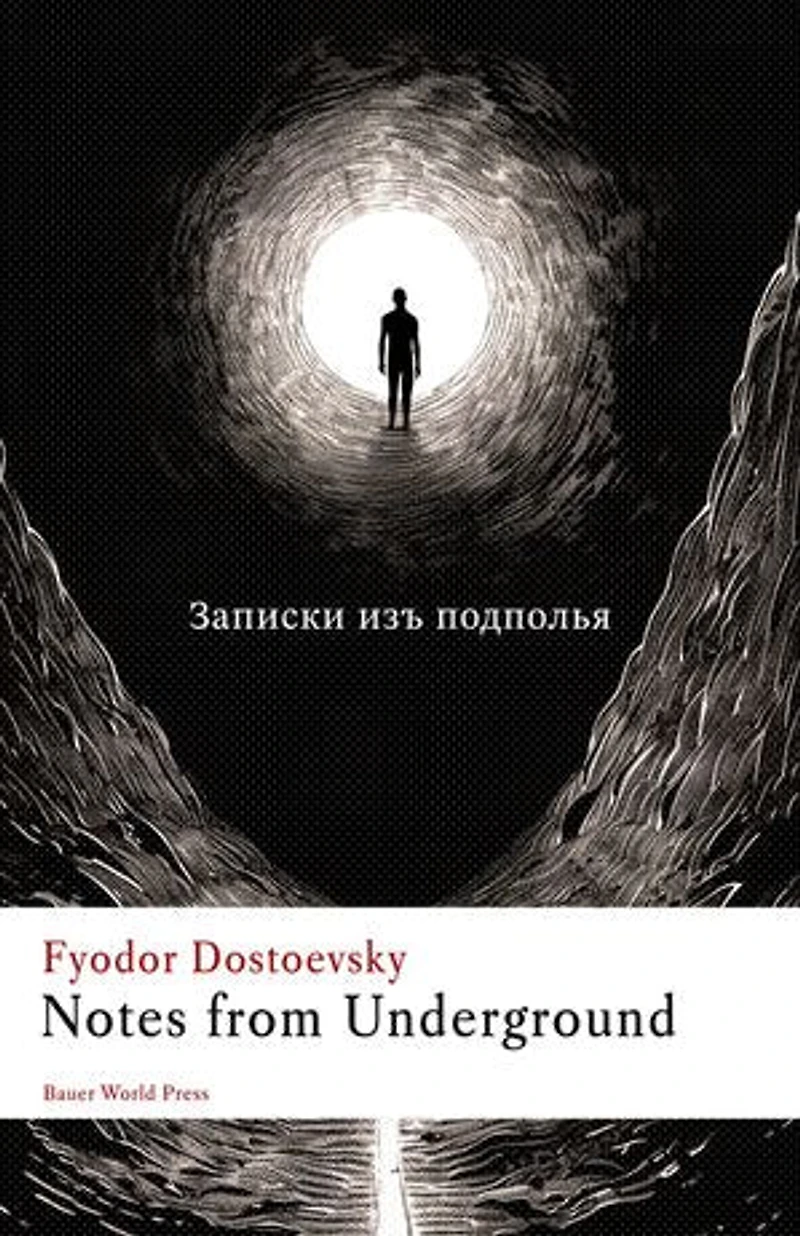
Notes from Underground
Current price: $4.99

Notes from Underground
Current price: $4.99
Loading Inventory...
Size: Kobo eBook
*Product information may vary - to confirm product availability, pricing, shipping and return information please contact Indigo
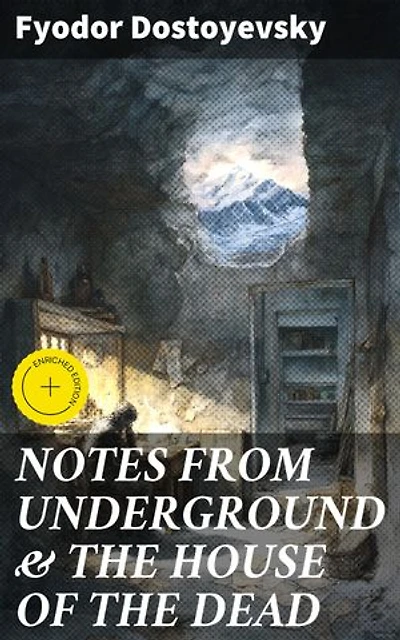
Notes from Underground by Fyodor Dostoevsky (Bauer World Press) is a seminal work of Russian literature, published in 1864. Divided into two parts, this novella provides an intense psychological exploration of its unnamed narrator, known as the Underground Man.
The first part, 'The Underground,' delves into the narrator's philosophical musings on human nature, freedom, and the irrationality of human behavior, challenging the enlightenment ideals of rationality and progress. The second part, 'Ápropos of the Wet Snow,' presents a series of episodic events from the narrator's past, illustrating his social isolation, spite, and the contradictions of his character through interactions with others.
Dostoevsky uses this character to critique both the utopian socialism of his time and the notion of a perfectly rational society, emphasizing instead the complexity of human consciousness and the inherent value of human freedom, even in its most self-destructive forms. This work is often considered a precursor to existentialism, highlighting themes of alienation, free will, and the conflict between the individual and society.
Notes from Underground by Fyodor Dostoevsky (Bauer World Press) is a seminal work of Russian literature, published in 1864. Divided into two parts, this novella provides an intense psychological exploration of its unnamed narrator, known as the Underground Man.
The first part, 'The Underground,' delves into the narrator's philosophical musings on human nature, freedom, and the irrationality of human behavior, challenging the enlightenment ideals of rationality and progress. The second part, 'Ápropos of the Wet Snow,' presents a series of episodic events from the narrator's past, illustrating his social isolation, spite, and the contradictions of his character through interactions with others.
Dostoevsky uses this character to critique both the utopian socialism of his time and the notion of a perfectly rational society, emphasizing instead the complexity of human consciousness and the inherent value of human freedom, even in its most self-destructive forms. This work is often considered a precursor to existentialism, highlighting themes of alienation, free will, and the conflict between the individual and society.
You May Also Like








More About Indigo at Erin Mills Town Centre
The largest book retailer in Canada also offers toys, music, home décor, gifts and lifestyle products. What's Inside...Books, Magazines, CD’s and DVD’s, Toys and Gifts, Home Accents, Electronics, Baby’s and Children’s Section, Bath and Body, Kitchen and Bedroom, Stationary Located outside in the exterior plaza.
5015 Glen Erin Dr, Mississauga, ON L5M 0R7, Canada
Find Indigo at Erin Mills Town Centre in Mississauga ON
Visit Indigo at Erin Mills Town Centre in Mississauga ON