

GIVE THE PERFECT GIFT
Erin Mills Town Centre Gift Cards are the perfect choice for your gift giving needs.Purchase gift cards at kiosks near the food court or centre court, at Guest Services, or click below to purchase online.PURCHASE HEREHome
Novel Strategies for Biodegradation and Detoxification of Mycotoxins
Indigo
Loading Inventory...
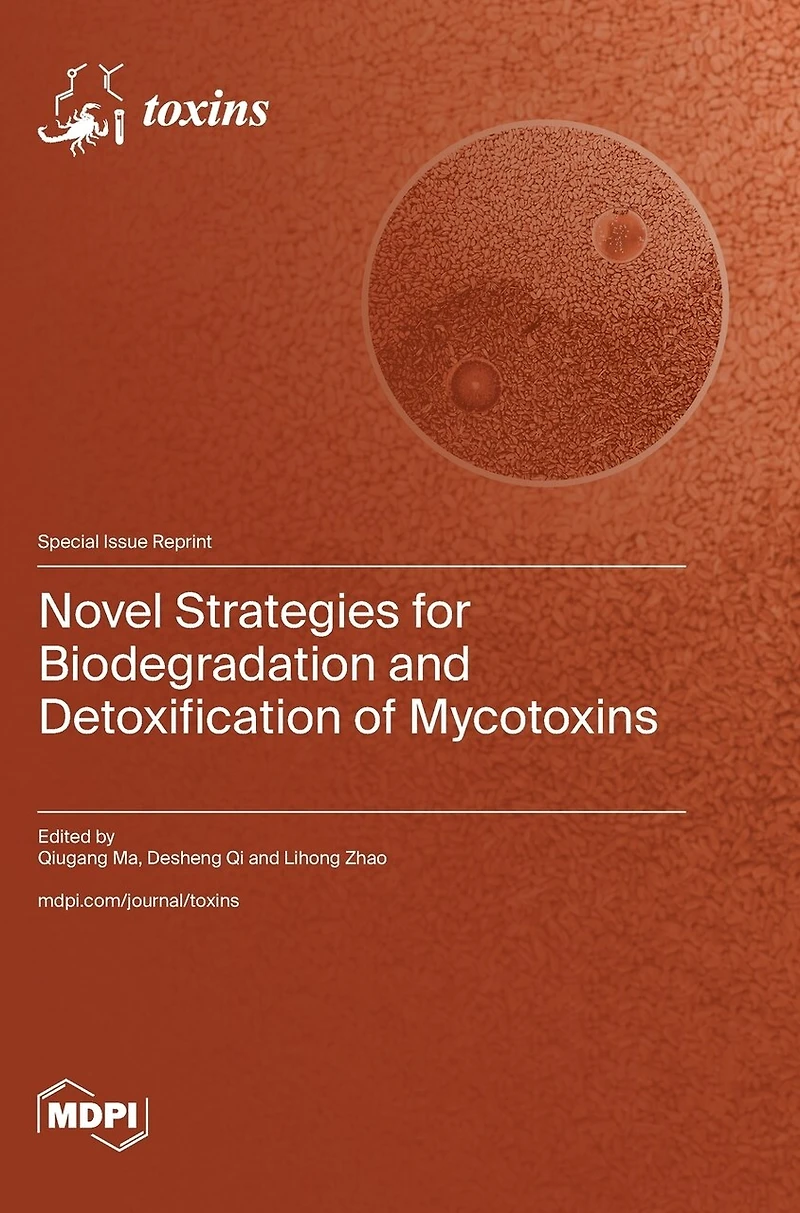
Novel Strategies for Biodegradation and Detoxification of Mycotoxins
Current price: $106.94

Novel Strategies for Biodegradation and Detoxification of Mycotoxins
Current price: $106.94
Loading Inventory...
Size: Hardcover
*Product information may vary - to confirm product availability, pricing, shipping and return information please contact Indigo
Mycotoxins contamination is a continuing global problem that severely affects animal health and performance, and further threatens food safety. The industry's common aspiration is to eliminate feed mycotoxins contamination and control their hazards. In recent years, animal mycotoxicosis has occurred frequently all over the world, which has brought huge economic losses to the agriculture industry. The potential damage caused by mycotoxins-induced decreased disease resistance in animals and food safety problems in human health is incalculable. There is a long way to go to prevent mycotoxins hazards. Biodegradation is a promising strategy to eliminate mycotoxins as it can transform mycotoxins into nontoxic or less toxic metabolites under mild conditions, retaining the sensory quality and nutritional value of agricultural commodities. Moreover, animals have a certain ability to detoxify mycotoxins, and some bioactive substances, such as lipoic acid, sporoderm-broken spores of Ganoderma lucidum, and quercetin, can improve the detoxification ability of animals to reduce the toxic effects of mycotoxins. This reprint aimed to gather contributions of original research or reviews related to novel strategies for biodegradation and detoxification of mycotoxins. Topics of interest will include novel mycotoxin-degrading microorganisms and enzymes, fermentation technology to reduce the mycotoxin content in cereal products, studies on alleviating the mycotoxicosis of livestock by the addition of bioactive substances or mycotoxin biodegradation agents, and any preliminary research that promotes progress in this field.
Mycotoxins contamination is a continuing global problem that severely affects animal health and performance, and further threatens food safety. The industry's common aspiration is to eliminate feed mycotoxins contamination and control their hazards. In recent years, animal mycotoxicosis has occurred frequently all over the world, which has brought huge economic losses to the agriculture industry. The potential damage caused by mycotoxins-induced decreased disease resistance in animals and food safety problems in human health is incalculable. There is a long way to go to prevent mycotoxins hazards. Biodegradation is a promising strategy to eliminate mycotoxins as it can transform mycotoxins into nontoxic or less toxic metabolites under mild conditions, retaining the sensory quality and nutritional value of agricultural commodities. Moreover, animals have a certain ability to detoxify mycotoxins, and some bioactive substances, such as lipoic acid, sporoderm-broken spores of Ganoderma lucidum, and quercetin, can improve the detoxification ability of animals to reduce the toxic effects of mycotoxins. This reprint aimed to gather contributions of original research or reviews related to novel strategies for biodegradation and detoxification of mycotoxins. Topics of interest will include novel mycotoxin-degrading microorganisms and enzymes, fermentation technology to reduce the mycotoxin content in cereal products, studies on alleviating the mycotoxicosis of livestock by the addition of bioactive substances or mycotoxin biodegradation agents, and any preliminary research that promotes progress in this field.
You May Also Like








More About Indigo at Erin Mills Town Centre
The largest book retailer in Canada also offers toys, music, home décor, gifts and lifestyle products. What's Inside...Books, Magazines, CD’s and DVD’s, Toys and Gifts, Home Accents, Electronics, Baby’s and Children’s Section, Bath and Body, Kitchen and Bedroom, Stationary Located outside in the exterior plaza.
5015 Glen Erin Dr, Mississauga, ON L5M 0R7, Canada
Find Indigo at Erin Mills Town Centre in Mississauga ON
Visit Indigo at Erin Mills Town Centre in Mississauga ON