

GIVE THE PERFECT GIFT
Erin Mills Town Centre Gift Cards are the perfect choice for your gift giving needs.Purchase gift cards at kiosks near the food court or centre court, at Guest Services, or click below to purchase online.PURCHASE HEREHome
Novel therapeutic approaches for gastrointestinal malignancies
Indigo
Loading Inventory...
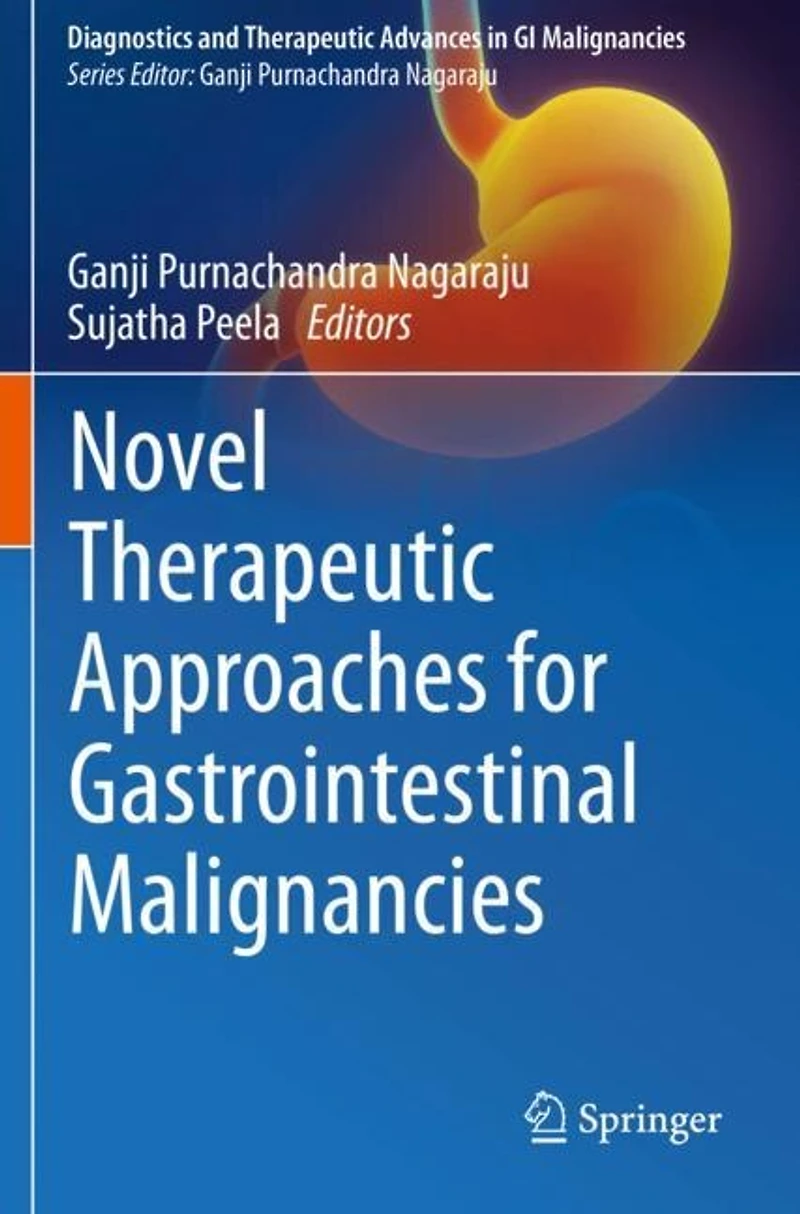
Novel therapeutic approaches for gastrointestinal malignancies
Current price: $160.95

Novel therapeutic approaches for gastrointestinal malignancies
Current price: $160.95
Loading Inventory...
Size: Paperback
*Product information may vary - to confirm product availability, pricing, shipping and return information please contact Indigo
This book provides an up-to-date overview of gastrointestinal malignancies, including prevention, early detection, intervention, and life-extending therapeutics. It also assesses various biomarkers used for diagnostics, prognostics and prediction of response to chemoresistance. Further, it discusses the latest trends in the use of small-molecule targeted therapies and immunotherapies as single agents or combination with other treatments. Since resistance to radiation and chemotherapy contribute to the high recurrence and poor survival rates, improving the outcome for GI malignancies is dependent on the introduction of new biomarkers and therapeutic agents. Lastly, the book systematically investigates novel theranostics approaches using nanotechnology for the detection, diagnosis, and personalized treatment of GI malignancies.
This book provides an up-to-date overview of gastrointestinal malignancies, including prevention, early detection, intervention, and life-extending therapeutics. It also assesses various biomarkers used for diagnostics, prognostics and prediction of response to chemoresistance. Further, it discusses the latest trends in the use of small-molecule targeted therapies and immunotherapies as single agents or combination with other treatments. Since resistance to radiation and chemotherapy contribute to the high recurrence and poor survival rates, improving the outcome for GI malignancies is dependent on the introduction of new biomarkers and therapeutic agents. Lastly, the book systematically investigates novel theranostics approaches using nanotechnology for the detection, diagnosis, and personalized treatment of GI malignancies.
You May Also Like









More About Indigo at Erin Mills Town Centre
The largest book retailer in Canada also offers toys, music, home décor, gifts and lifestyle products. What's Inside...Books, Magazines, CD’s and DVD’s, Toys and Gifts, Home Accents, Electronics, Baby’s and Children’s Section, Bath and Body, Kitchen and Bedroom, Stationary Located outside in the exterior plaza.
5015 Glen Erin Dr, Mississauga, ON L5M 0R7, Canada
Find Indigo at Erin Mills Town Centre in Mississauga ON
Visit Indigo at Erin Mills Town Centre in Mississauga ON