

GIVE THE PERFECT GIFT
Erin Mills Town Centre Gift Cards are the perfect choice for your gift giving needs.Purchase gift cards at kiosks near the food court or centre court, at Guest Services, or click below to purchase online.PURCHASE HEREHome
Now We Are in Power: The Politics of Passive Revolution in Twenty-First-Century Bolivia
Indigo
Loading Inventory...
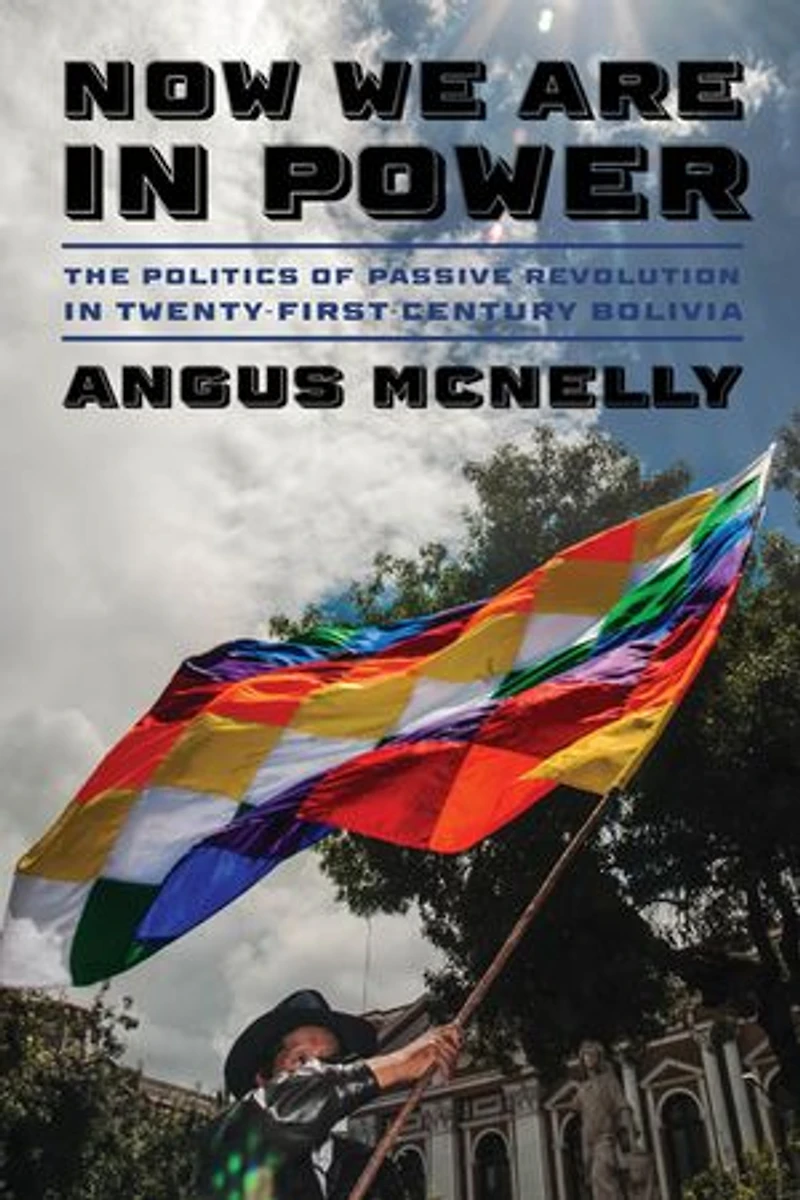
Now We Are in Power: The Politics of Passive Revolution in Twenty-First-Century Bolivia
Current price: $73.59
Original price: $91.99

Now We Are in Power: The Politics of Passive Revolution in Twenty-First-Century Bolivia
Current price: $73.59
Original price: $91.99
Loading Inventory...
Size: Kobo eBook
*Product information may vary - to confirm product availability, pricing, shipping and return information please contact Indigo
During the first decade of the century, Evo Morales and other leftists took control of governments across Latin America. In the case of Bolivia, Morales was that country’s first Indigenous president and was elected following five years of popular insurrection after decades of neoliberal governance. Now We Are in Power makes the argument that the so-called Pink Tide should be understood as a passive revolution, a process that has two phases: a period of subaltern struggle from average citizens strong enough to culminate in a political crisis, which is followed by a time of reconciliation and transformation. Angus McNelly examines this movement as it unfolded and evaluates how passive revolution plays out over a prolonged crisis, ultimately demonstrating the inherent contradictions and complications of the process.
During the first decade of the century, Evo Morales and other leftists took control of governments across Latin America. In the case of Bolivia, Morales was that country’s first Indigenous president and was elected following five years of popular insurrection after decades of neoliberal governance. Now We Are in Power makes the argument that the so-called Pink Tide should be understood as a passive revolution, a process that has two phases: a period of subaltern struggle from average citizens strong enough to culminate in a political crisis, which is followed by a time of reconciliation and transformation. Angus McNelly examines this movement as it unfolded and evaluates how passive revolution plays out over a prolonged crisis, ultimately demonstrating the inherent contradictions and complications of the process.
You May Also Like










More About Indigo at Erin Mills Town Centre
The largest book retailer in Canada also offers toys, music, home décor, gifts and lifestyle products. What's Inside...Books, Magazines, CD’s and DVD’s, Toys and Gifts, Home Accents, Electronics, Baby’s and Children’s Section, Bath and Body, Kitchen and Bedroom, Stationary Located outside in the exterior plaza.
5015 Glen Erin Dr, Mississauga, ON L5M 0R7, Canada
Find Indigo at Erin Mills Town Centre in Mississauga ON
Visit Indigo at Erin Mills Town Centre in Mississauga ON