

GIVE THE PERFECT GIFT
Erin Mills Town Centre Gift Cards are the perfect choice for your gift giving needs.Purchase gift cards at kiosks near the food court or centre court, at Guest Services, or click below to purchase online.PURCHASE HEREHome
Nuclear Power in Asia Post Fukushima
Indigo
Loading Inventory...
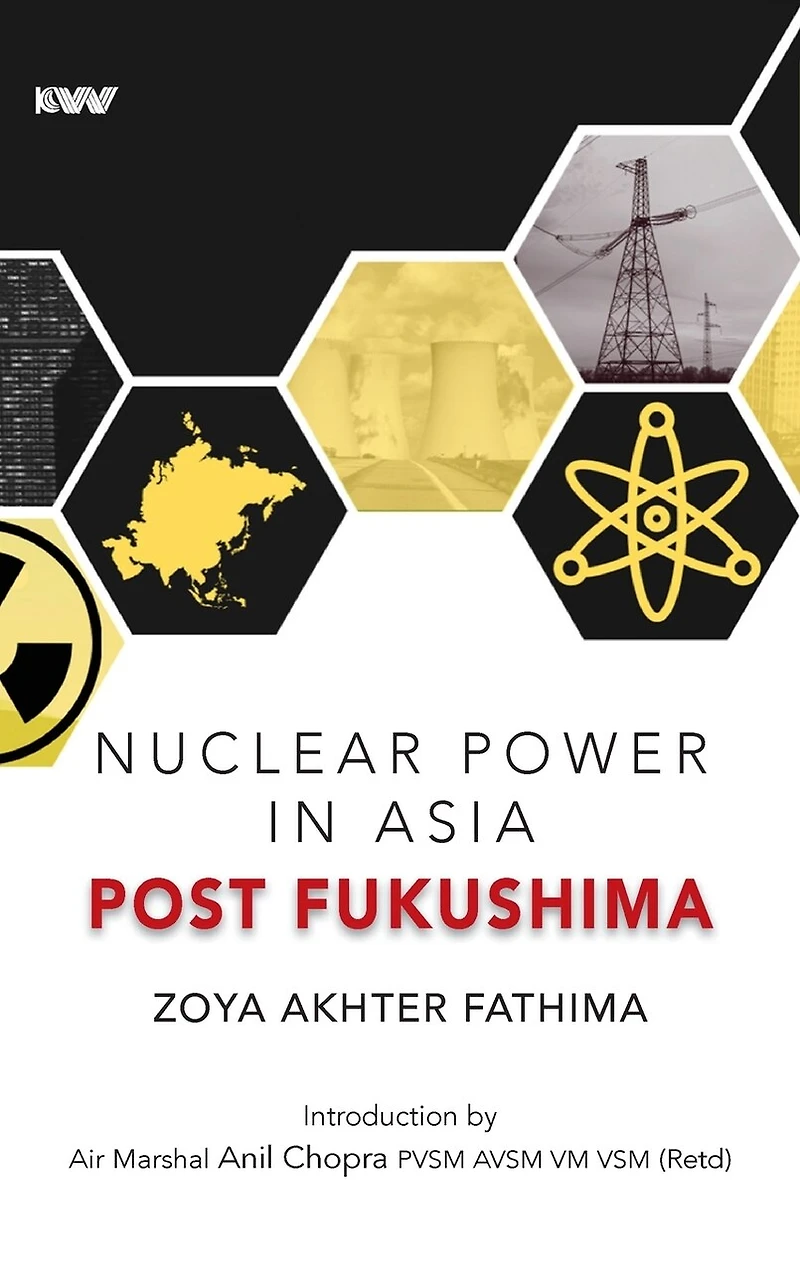
Nuclear Power in Asia Post Fukushima
Current price: $84.50

Nuclear Power in Asia Post Fukushima
Current price: $84.50
Loading Inventory...
Size: Hardcover
*Product information may vary - to confirm product availability, pricing, shipping and return information please contact Indigo
A decade ago, the 2011 Fukushima nuclear disaster led many to believe that the nuclear era was coming to an end. About ten years since, Asia is leading the global nuclear sector. Contributing to two-thirds of the global construction of reactors and exhibiting its technical prowess in the nuclear research and development arena, the future of nuclear power in Asia appears to be on a positive trajectory. This development is driven by a mix of urgent necessity, aided by the realisation that benefits offered by nuclear power are not just environmental in character but also offers economic and strategic advantages. In this context, the book examines the energy trends and the current state of nuclear power in the Asian continent and endeavours to answer the much-deliberated question of whether Asia is witnessing a nuclear renaissance again. To address this question, the book explores the policy responses by Asian countries to the Fukushima disaster. It attempts to map the future trajectory of nuclear power in Asia and tries to identify the factors that may accelerate or limit its growth.
A decade ago, the 2011 Fukushima nuclear disaster led many to believe that the nuclear era was coming to an end. About ten years since, Asia is leading the global nuclear sector. Contributing to two-thirds of the global construction of reactors and exhibiting its technical prowess in the nuclear research and development arena, the future of nuclear power in Asia appears to be on a positive trajectory. This development is driven by a mix of urgent necessity, aided by the realisation that benefits offered by nuclear power are not just environmental in character but also offers economic and strategic advantages. In this context, the book examines the energy trends and the current state of nuclear power in the Asian continent and endeavours to answer the much-deliberated question of whether Asia is witnessing a nuclear renaissance again. To address this question, the book explores the policy responses by Asian countries to the Fukushima disaster. It attempts to map the future trajectory of nuclear power in Asia and tries to identify the factors that may accelerate or limit its growth.
You May Also Like







More About Indigo at Erin Mills Town Centre
The largest book retailer in Canada also offers toys, music, home décor, gifts and lifestyle products. What's Inside...Books, Magazines, CD’s and DVD’s, Toys and Gifts, Home Accents, Electronics, Baby’s and Children’s Section, Bath and Body, Kitchen and Bedroom, Stationary Located outside in the exterior plaza.
5015 Glen Erin Dr, Mississauga, ON L5M 0R7, Canada
Find Indigo at Erin Mills Town Centre in Mississauga ON
Visit Indigo at Erin Mills Town Centre in Mississauga ON