

GIVE THE PERFECT GIFT
Erin Mills Town Centre Gift Cards are the perfect choice for your gift giving needs.Purchase gift cards at kiosks near the food court or centre court, at Guest Services, or click below to purchase online.PURCHASE HEREHome
Nuclear Submarines: Navy Efforts To Reduce Inactivation Costs: Nsiad-92-134
Indigo
Loading Inventory...
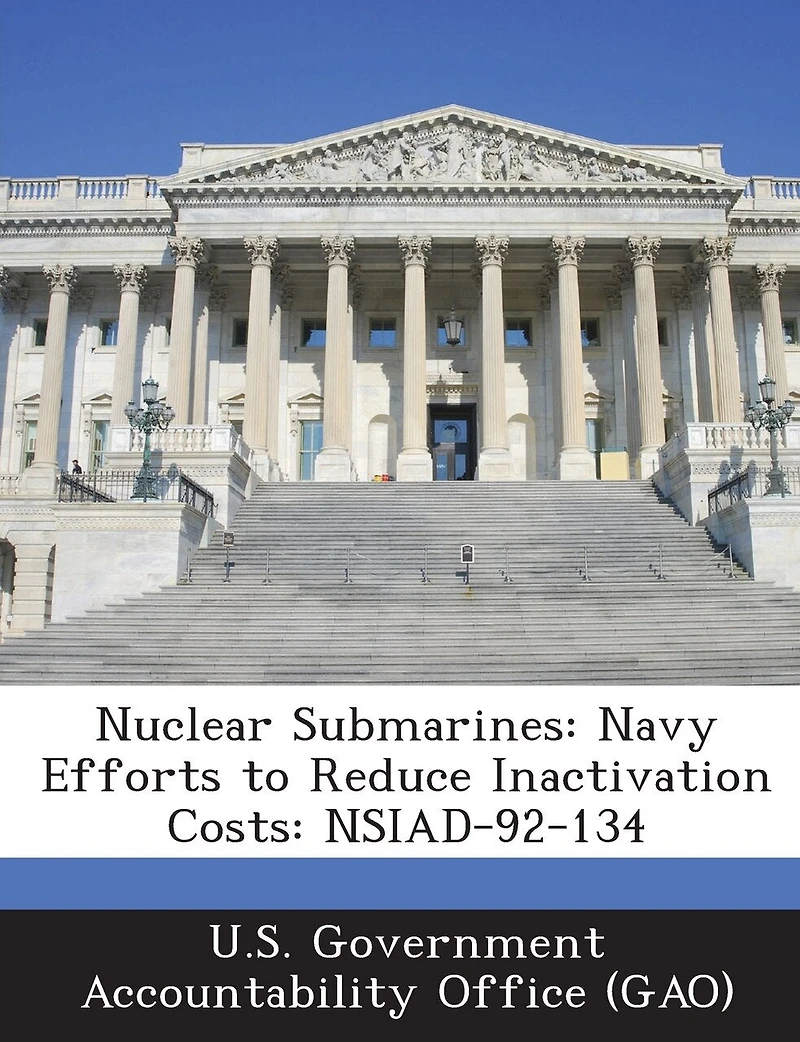
Nuclear Submarines: Navy Efforts To Reduce Inactivation Costs: Nsiad-92-134
Current price: $19.99

Nuclear Submarines: Navy Efforts To Reduce Inactivation Costs: Nsiad-92-134
Current price: $19.99
Loading Inventory...
Size: Paperback
*Product information may vary - to confirm product availability, pricing, shipping and return information please contact Indigo
GAO reviewed the Navy's program to inactivate and dispose of nuclear-powered submarines, focusing on: (1) the program's current status; and (2) whether the Navy is effectively managing costs.
GAO found that: (1) at the end of fiscal year 1990, the Navy had initiated the inactivation of 42 of the 100 nuclear-powered submarines it planned to inactivate by 2000; (2) the Navy encountered three environmental compliance issues with defueled reactor compartment disposal; (3) the Navy began recycling submarines in 1990 to help resolve storage problems; (4) inactivations are less costly when they are completed at the Puget Sound Naval Shipyard; (5) the Navy is scheduling inactivations for facilities that effectively reduce costs; and (6) the Navy is assessing work-load policies and practices for nuclear shipyards. GAO also found that: (1) shipyards have increased their efficiency and reduced the number of workdays required to complete inactivations; (2) additional improvements are possible, since the costs between shipyards vary widely; (3) the Navy controls costs by overseeing shipyard inactivation work; and (4) the Navy is estimating standards and developing uniform work categories for inactivations.
GAO reviewed the Navy's program to inactivate and dispose of nuclear-powered submarines, focusing on: (1) the program's current status; and (2) whether the Navy is effectively managing costs.
GAO found that: (1) at the end of fiscal year 1990, the Navy had initiated the inactivation of 42 of the 100 nuclear-powered submarines it planned to inactivate by 2000; (2) the Navy encountered three environmental compliance issues with defueled reactor compartment disposal; (3) the Navy began recycling submarines in 1990 to help resolve storage problems; (4) inactivations are less costly when they are completed at the Puget Sound Naval Shipyard; (5) the Navy is scheduling inactivations for facilities that effectively reduce costs; and (6) the Navy is assessing work-load policies and practices for nuclear shipyards. GAO also found that: (1) shipyards have increased their efficiency and reduced the number of workdays required to complete inactivations; (2) additional improvements are possible, since the costs between shipyards vary widely; (3) the Navy controls costs by overseeing shipyard inactivation work; and (4) the Navy is estimating standards and developing uniform work categories for inactivations.
You May Also Like









More About Indigo at Erin Mills Town Centre
The largest book retailer in Canada also offers toys, music, home décor, gifts and lifestyle products. What's Inside...Books, Magazines, CD’s and DVD’s, Toys and Gifts, Home Accents, Electronics, Baby’s and Children’s Section, Bath and Body, Kitchen and Bedroom, Stationary Located outside in the exterior plaza.
5015 Glen Erin Dr, Mississauga, ON L5M 0R7, Canada
Find Indigo at Erin Mills Town Centre in Mississauga ON
Visit Indigo at Erin Mills Town Centre in Mississauga ON