

GIVE THE PERFECT GIFT
Erin Mills Town Centre Gift Cards are the perfect choice for your gift giving needs.Purchase gift cards at kiosks near the food court or centre court, at Guest Services, or click below to purchase online.PURCHASE HEREHome
Nunakun-gguq Ciutengqertut/They Say They Have Ears Through the Ground: Animal Essays from Southwest Alaska
Indigo
Loading Inventory...
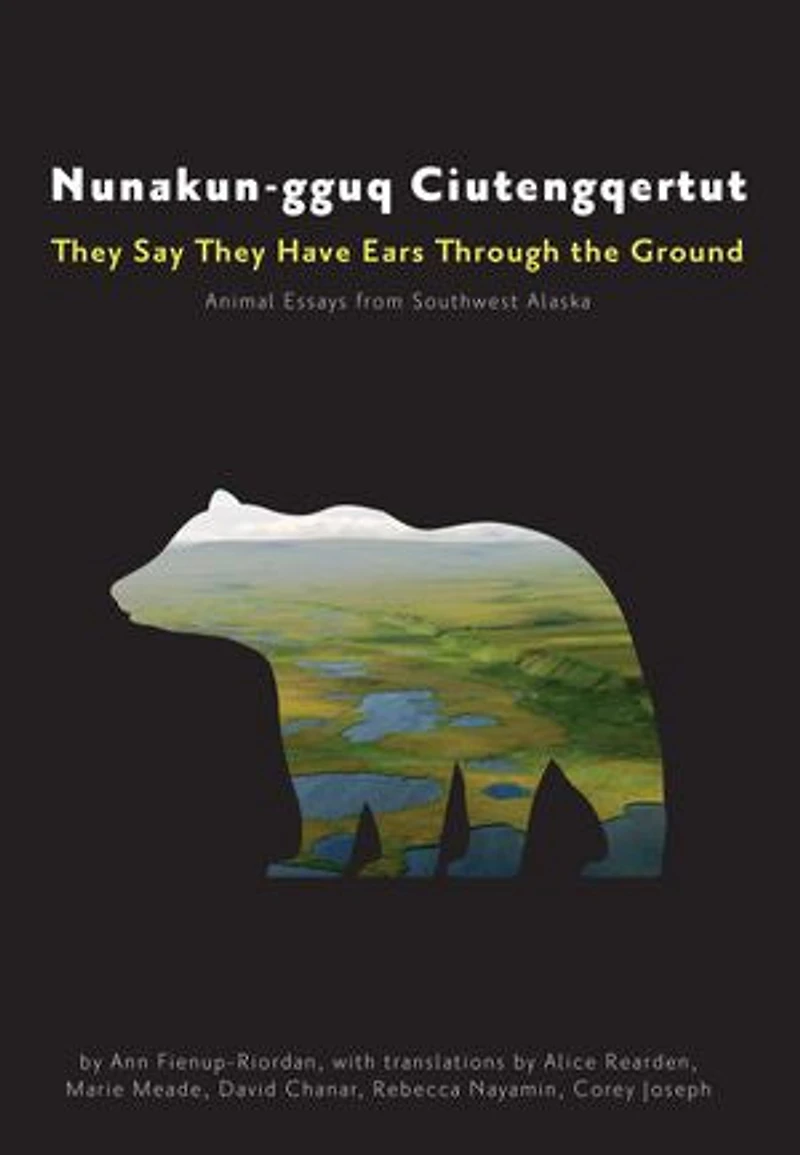
Nunakun-gguq Ciutengqertut/They Say They Have Ears Through the Ground: Animal Essays from Southwest Alaska
Current price: $36.89
Original price: $46.08

Nunakun-gguq Ciutengqertut/They Say They Have Ears Through the Ground: Animal Essays from Southwest Alaska
Current price: $36.89
Original price: $46.08
Loading Inventory...
Size: Kobo eBook
*Product information may vary - to confirm product availability, pricing, shipping and return information please contact Indigo
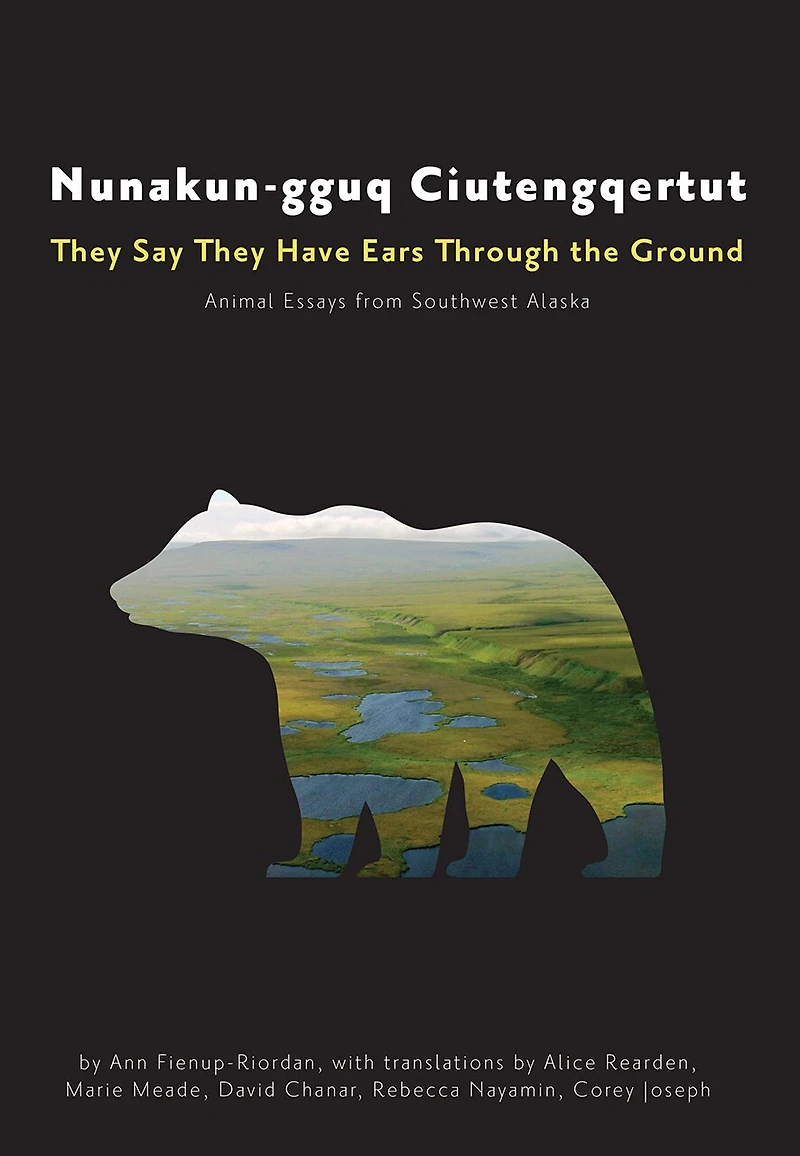
Lifeways in Southwest Alaska today remains inextricably bound to the seasonal cycles of sea and land. Community members continue to hunt, fish, and make products from the life found in the rivers and sea. Based on a wealth of oral histories collected over decades of research, this book explores the ancestral relationship between Yup'ik people and the natural world of Southwest Alaska. Nunakun-gguq Ciutengqertut studies the overlapping lives of the Yup'ik with native plants, animals, and birds, and traces how these relationships transform as more Yup'ik people relocate to urban areas and with the changing environment. The book will be hailed as a milestone work in the anthropological study of contemporary Alaska.
Lifeways in Southwest Alaska today remains inextricably bound to the seasonal cycles of sea and land. Community members continue to hunt, fish, and make products from the life found in the rivers and sea. Based on a wealth of oral histories collected over decades of research, this book explores the ancestral relationship between Yup'ik people and the natural world of Southwest Alaska. Nunakun-gguq Ciutengqertut studies the overlapping lives of the Yup'ik with native plants, animals, and birds, and traces how these relationships transform as more Yup'ik people relocate to urban areas and with the changing environment. The book will be hailed as a milestone work in the anthropological study of contemporary Alaska.
You May Also Like











More About Indigo at Erin Mills Town Centre
The largest book retailer in Canada also offers toys, music, home décor, gifts and lifestyle products. What's Inside...Books, Magazines, CD’s and DVD’s, Toys and Gifts, Home Accents, Electronics, Baby’s and Children’s Section, Bath and Body, Kitchen and Bedroom, Stationary Located outside in the exterior plaza.
5015 Glen Erin Dr, Mississauga, ON L5M 0R7, Canada
Find Indigo at Erin Mills Town Centre in Mississauga ON
Visit Indigo at Erin Mills Town Centre in Mississauga ON