

GIVE THE PERFECT GIFT
Erin Mills Town Centre Gift Cards are the perfect choice for your gift giving needs.Purchase gift cards at kiosks near the food court or centre court, at Guest Services, or click below to purchase online.PURCHASE HEREHome
Nutrient Dynamics for Sustainable Crop Production
Indigo
Loading Inventory...
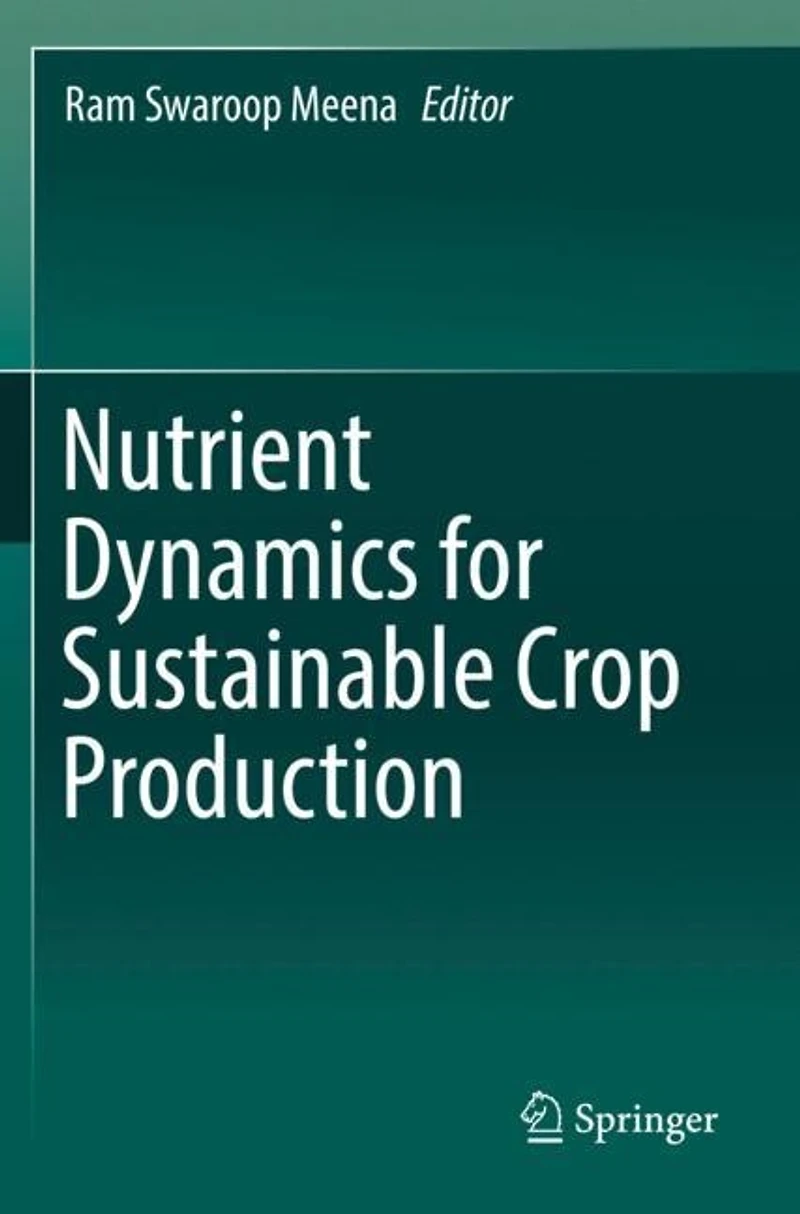
Nutrient Dynamics for Sustainable Crop Production
Current price: $248.50

Nutrient Dynamics for Sustainable Crop Production
Current price: $248.50
Loading Inventory...
Size: Paperback
*Product information may vary - to confirm product availability, pricing, shipping and return information please contact Indigo
The cropping system is one of the important components of sustainable agriculture, since it provides more efficient nutrient cycling. As such, balanced fertilization must be based on the concept of sustainable crop production. Feeding the rapidly growing world population using environmentally sustainable production systems is a major challenge, especially in developing countries. A number of studies have highlighted the fact that degradation of the world's cultivated soils is largely responsible for low and plateauing yields. Soil is lost rapidly but only formed over millennia, and this represents the greatest global threat to nutrient dynamics in agriculture. This means that nutrient management is essential to provide food and nutritional security for current and future generations. Nutrient dynamics and soil sustainability imply the maintenance of the desired ecological balance, the enhancement and preservation of soil functions, and the protection of biodiversity above and belowground. Understanding the role of nutrient management as a tool for soil sustainability and nutritional security requires a holistic approach to a wide range of soil parameters (biological, physical, and chemical) to assess the soil functions and nutrient dynamics of a crop management system within the desired timescale. Further, best nutrient management approaches are important to advance soil sustainability and food and nutritional security without compromising the soil quality and productive potential. Sustainable management practices must allow environmentally and economically sustainable yields and restore soil health and sustainability. This book presents soil management approaches that can provide a wide range of benefits, including improved fertility, with a focus on the importance of nutrient dynamics. Discussing the broad impacts of nutrients cycling on the sustainability of soil and the cropping systems that it supports, it also addresses nutrient application toallow environmentally and economically sustainable agroecosystems that restore soil health. Arguing that balanced fertilization must be based on the concept of INM for a cropping system rather than a crop, it provides a roadmap to nutrient management for sustainability. This richly illustrated book features tables, figures and photographs and includes extensive up-to-date references, making it a valuable resource for policymakers and researchers, as well as undergraduate and graduate students of Soil Science, Agronomy, Ecology and Environmental Sciences.
The cropping system is one of the important components of sustainable agriculture, since it provides more efficient nutrient cycling. As such, balanced fertilization must be based on the concept of sustainable crop production. Feeding the rapidly growing world population using environmentally sustainable production systems is a major challenge, especially in developing countries. A number of studies have highlighted the fact that degradation of the world's cultivated soils is largely responsible for low and plateauing yields. Soil is lost rapidly but only formed over millennia, and this represents the greatest global threat to nutrient dynamics in agriculture. This means that nutrient management is essential to provide food and nutritional security for current and future generations. Nutrient dynamics and soil sustainability imply the maintenance of the desired ecological balance, the enhancement and preservation of soil functions, and the protection of biodiversity above and belowground. Understanding the role of nutrient management as a tool for soil sustainability and nutritional security requires a holistic approach to a wide range of soil parameters (biological, physical, and chemical) to assess the soil functions and nutrient dynamics of a crop management system within the desired timescale. Further, best nutrient management approaches are important to advance soil sustainability and food and nutritional security without compromising the soil quality and productive potential. Sustainable management practices must allow environmentally and economically sustainable yields and restore soil health and sustainability. This book presents soil management approaches that can provide a wide range of benefits, including improved fertility, with a focus on the importance of nutrient dynamics. Discussing the broad impacts of nutrients cycling on the sustainability of soil and the cropping systems that it supports, it also addresses nutrient application toallow environmentally and economically sustainable agroecosystems that restore soil health. Arguing that balanced fertilization must be based on the concept of INM for a cropping system rather than a crop, it provides a roadmap to nutrient management for sustainability. This richly illustrated book features tables, figures and photographs and includes extensive up-to-date references, making it a valuable resource for policymakers and researchers, as well as undergraduate and graduate students of Soil Science, Agronomy, Ecology and Environmental Sciences.
You May Also Like








More About Indigo at Erin Mills Town Centre
The largest book retailer in Canada also offers toys, music, home décor, gifts and lifestyle products. What's Inside...Books, Magazines, CD’s and DVD’s, Toys and Gifts, Home Accents, Electronics, Baby’s and Children’s Section, Bath and Body, Kitchen and Bedroom, Stationary Located outside in the exterior plaza.
5015 Glen Erin Dr, Mississauga, ON L5M 0R7, Canada
Find Indigo at Erin Mills Town Centre in Mississauga ON
Visit Indigo at Erin Mills Town Centre in Mississauga ON