

GIVE THE PERFECT GIFT
Erin Mills Town Centre Gift Cards are the perfect choice for your gift giving needs.Purchase gift cards at kiosks near the food court or centre court, at Guest Services, or click below to purchase online.PURCHASE HEREHome
One Hundred Wandering Haiku: Renga and Tanka
Indigo
Loading Inventory...
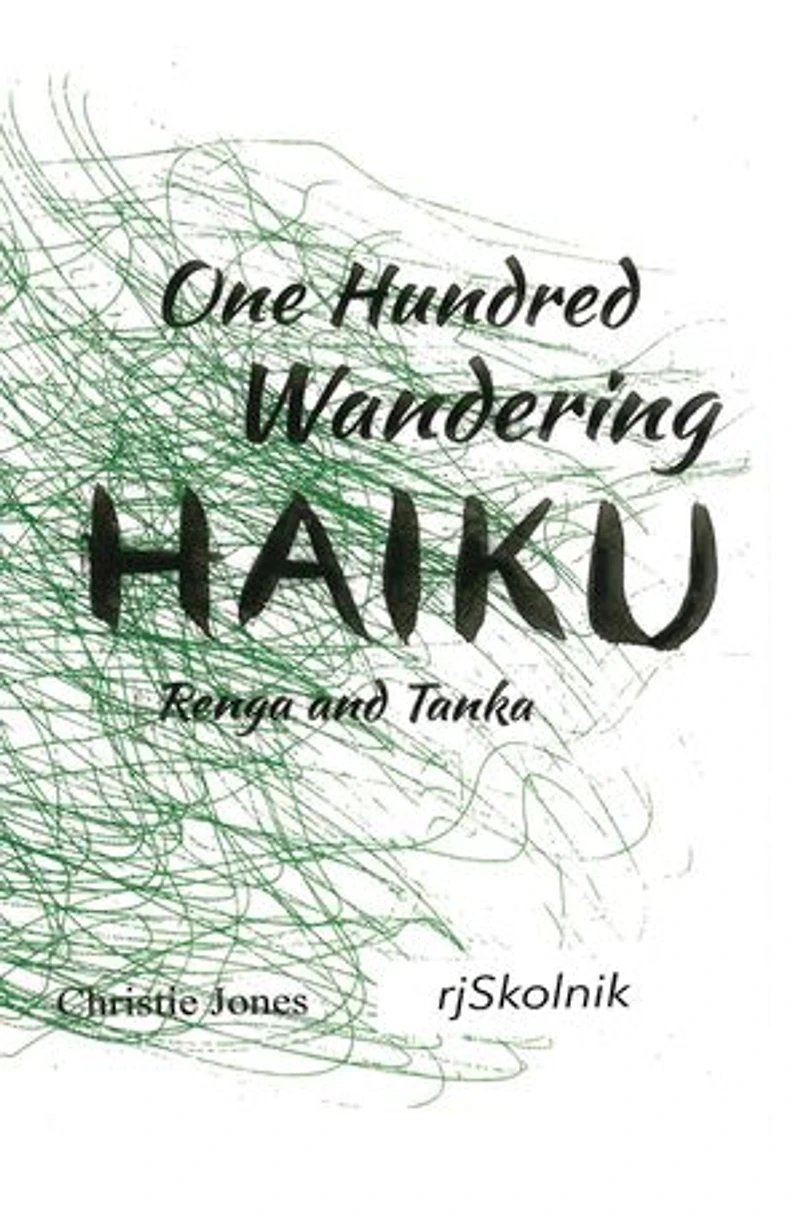
One Hundred Wandering Haiku: Renga and Tanka
Current price: $36.76

One Hundred Wandering Haiku: Renga and Tanka
Current price: $36.76
Loading Inventory...
Size: Kobo eBook
*Product information may vary - to confirm product availability, pricing, shipping and return information please contact Indigo
About the Book
In ONE HUNDRED WANDERING HAIKU the poets have explored three traditional Japanese poetic forms, HAIKU, TANKA and RENGA. The first chapter offers basic HAIKU, three lines, (5-7-5 ) in seventeen syllables. In the second chapter the TANKA expands upon the Haiku to thirty-one syllables, 5-7-5-7-7.
A traditional RENGA is a linked verse form, usually beginning with a Haiku and then a response with two lines of seven syllables. In their MONET RENGA, (a variation upon this tradition), a simple HAIKU of 5-7-5 alternates between the two poets. The RIVER RENGA presents the true TANKA form: Hokku (starting verse of 5-7-5 syllables) from the initiator followed by a Haikai response of two lines (7-7 syllables).
With a deep exploration of these Japanese poetic structures, the poets opened up a world of keen observation and expressive language never known to them before. To distinguish each poet’s work two different fonts are used.
About the Book
In ONE HUNDRED WANDERING HAIKU the poets have explored three traditional Japanese poetic forms, HAIKU, TANKA and RENGA. The first chapter offers basic HAIKU, three lines, (5-7-5 ) in seventeen syllables. In the second chapter the TANKA expands upon the Haiku to thirty-one syllables, 5-7-5-7-7.
A traditional RENGA is a linked verse form, usually beginning with a Haiku and then a response with two lines of seven syllables. In their MONET RENGA, (a variation upon this tradition), a simple HAIKU of 5-7-5 alternates between the two poets. The RIVER RENGA presents the true TANKA form: Hokku (starting verse of 5-7-5 syllables) from the initiator followed by a Haikai response of two lines (7-7 syllables).
With a deep exploration of these Japanese poetic structures, the poets opened up a world of keen observation and expressive language never known to them before. To distinguish each poet’s work two different fonts are used.
You May Also Like








More About Indigo at Erin Mills Town Centre
The largest book retailer in Canada also offers toys, music, home décor, gifts and lifestyle products. What's Inside...Books, Magazines, CD’s and DVD’s, Toys and Gifts, Home Accents, Electronics, Baby’s and Children’s Section, Bath and Body, Kitchen and Bedroom, Stationary Located outside in the exterior plaza.
5015 Glen Erin Dr, Mississauga, ON L5M 0R7, Canada
Find Indigo at Erin Mills Town Centre in Mississauga ON
Visit Indigo at Erin Mills Town Centre in Mississauga ON