

GIVE THE PERFECT GIFT
Erin Mills Town Centre Gift Cards are the perfect choice for your gift giving needs.Purchase gift cards at kiosks near the food court or centre court, at Guest Services, or click below to purchase online.PURCHASE HEREHome
Oppositional Defiance Disorder to Conduct Disorder. Defiant Behaviour
Indigo
Loading Inventory...
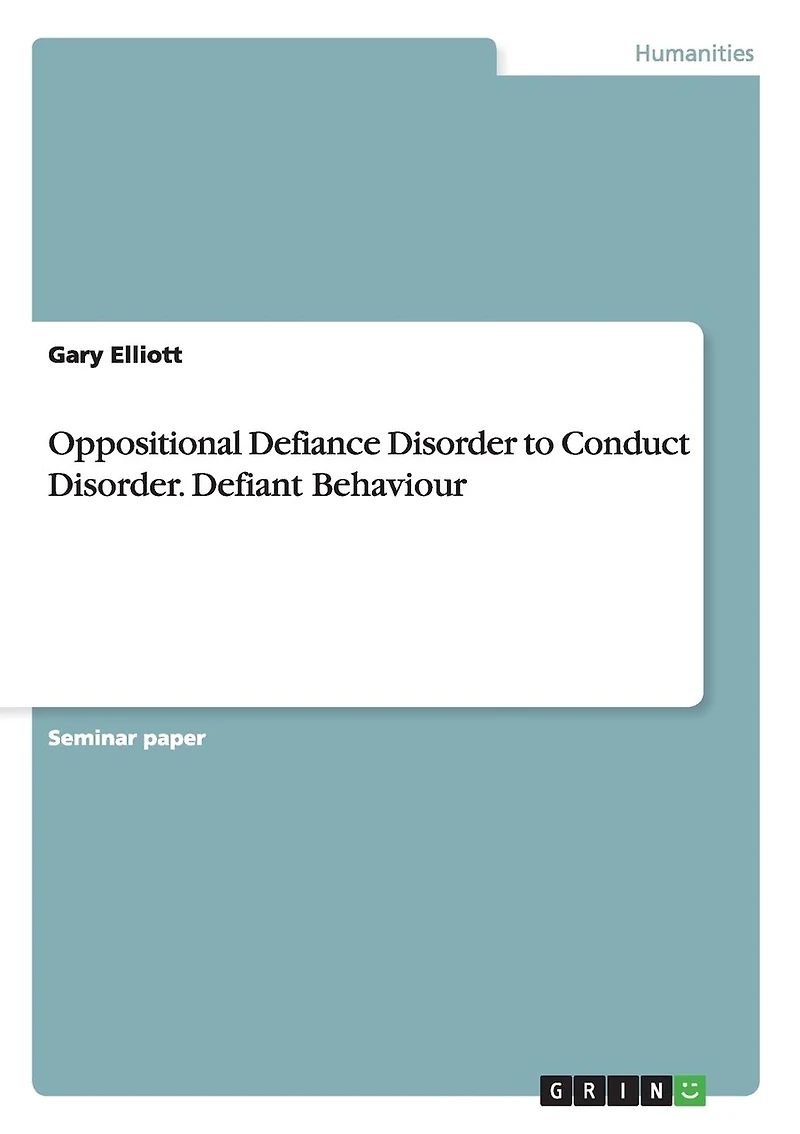
Oppositional Defiance Disorder to Conduct Disorder. Defiant Behaviour
Current price: $33.50

Oppositional Defiance Disorder to Conduct Disorder. Defiant Behaviour
Current price: $33.50
Loading Inventory...
Size: Paperback
*Product information may vary - to confirm product availability, pricing, shipping and return information please contact Indigo
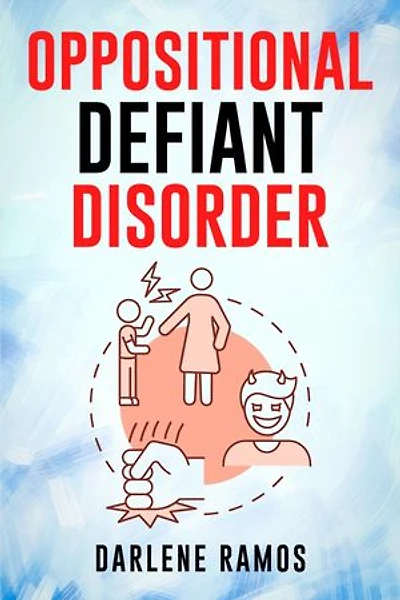
Seminar paper from the year 2010 in the subject Psychology - Clinical Psychology, Psychopathology, Prevention, ( Atlantic International University ), language: English, abstract: It may be accepted that at some point in a child's life, they will display oppositional and defiant behaviour (Riley, 1997). When do the occasional rule-breaking, the sulking and whining, and the fits and tantrums become a cause for concern? In the course of this paper I will seek to clearly define the characteristics of oppositional defiant disorder and its more severe cousin, conduct disorder. I will expound on the areas of symptoms, causes and co-morbidity, and delve into the appropriate treatment and potential for rehabilitation of a child or teenager who may be suffering with either of these disorders. 2. Definitions Oppositional defiant disorder (ODD) can be characterized by a hostile, negative and argumentative behaviour pattern (Sue, Sue & Sue, 1997). It is common place for these children to lose their temper and argue with adults, refusing their requests. A child who is suffering with ODD will refuse to take responsibility for his actions and his behaviour is an "exaggerated attempt" to show the parent or authority figure that they have no control over him (Riley, 1997). Rutherford and Nickerson (2010) believe that defiant behaviour among children and teenagers is becoming more prevalent. Conduct disorder (CD) can be characterized by repetitive and persistent social behaviour that violates the rights of others, or violates norms and rules that are appropriate for their age (McIntosh & Livingston, 2008). Conduct disorder includes behaviour such as bullying, lying, cheating, fighting, destruction of property, arson, assault, rape, truancy and cruelty to animals and people (Sue et al., 1997). It is quite evident that conduct disorder is a more severe behavioural condition than oppositional defiant disorder. If the characteristics of both disorders mentioned here seem rather simil
Seminar paper from the year 2010 in the subject Psychology - Clinical Psychology, Psychopathology, Prevention, ( Atlantic International University ), language: English, abstract: It may be accepted that at some point in a child's life, they will display oppositional and defiant behaviour (Riley, 1997). When do the occasional rule-breaking, the sulking and whining, and the fits and tantrums become a cause for concern? In the course of this paper I will seek to clearly define the characteristics of oppositional defiant disorder and its more severe cousin, conduct disorder. I will expound on the areas of symptoms, causes and co-morbidity, and delve into the appropriate treatment and potential for rehabilitation of a child or teenager who may be suffering with either of these disorders. 2. Definitions Oppositional defiant disorder (ODD) can be characterized by a hostile, negative and argumentative behaviour pattern (Sue, Sue & Sue, 1997). It is common place for these children to lose their temper and argue with adults, refusing their requests. A child who is suffering with ODD will refuse to take responsibility for his actions and his behaviour is an "exaggerated attempt" to show the parent or authority figure that they have no control over him (Riley, 1997). Rutherford and Nickerson (2010) believe that defiant behaviour among children and teenagers is becoming more prevalent. Conduct disorder (CD) can be characterized by repetitive and persistent social behaviour that violates the rights of others, or violates norms and rules that are appropriate for their age (McIntosh & Livingston, 2008). Conduct disorder includes behaviour such as bullying, lying, cheating, fighting, destruction of property, arson, assault, rape, truancy and cruelty to animals and people (Sue et al., 1997). It is quite evident that conduct disorder is a more severe behavioural condition than oppositional defiant disorder. If the characteristics of both disorders mentioned here seem rather simil
You May Also Like










More About Indigo at Erin Mills Town Centre
The largest book retailer in Canada also offers toys, music, home décor, gifts and lifestyle products. What's Inside...Books, Magazines, CD’s and DVD’s, Toys and Gifts, Home Accents, Electronics, Baby’s and Children’s Section, Bath and Body, Kitchen and Bedroom, Stationary Located outside in the exterior plaza.
5015 Glen Erin Dr, Mississauga, ON L5M 0R7, Canada
Find Indigo at Erin Mills Town Centre in Mississauga ON
Visit Indigo at Erin Mills Town Centre in Mississauga ON