

GIVE THE PERFECT GIFT
Erin Mills Town Centre Gift Cards are the perfect choice for your gift giving needs.Purchase gift cards at kiosks near the food court or centre court, at Guest Services, or click below to purchase online.PURCHASE HEREHome
Optimizing Operations: Harnessing Robotic Process Automation for Supply Chain Success
Indigo
Loading Inventory...
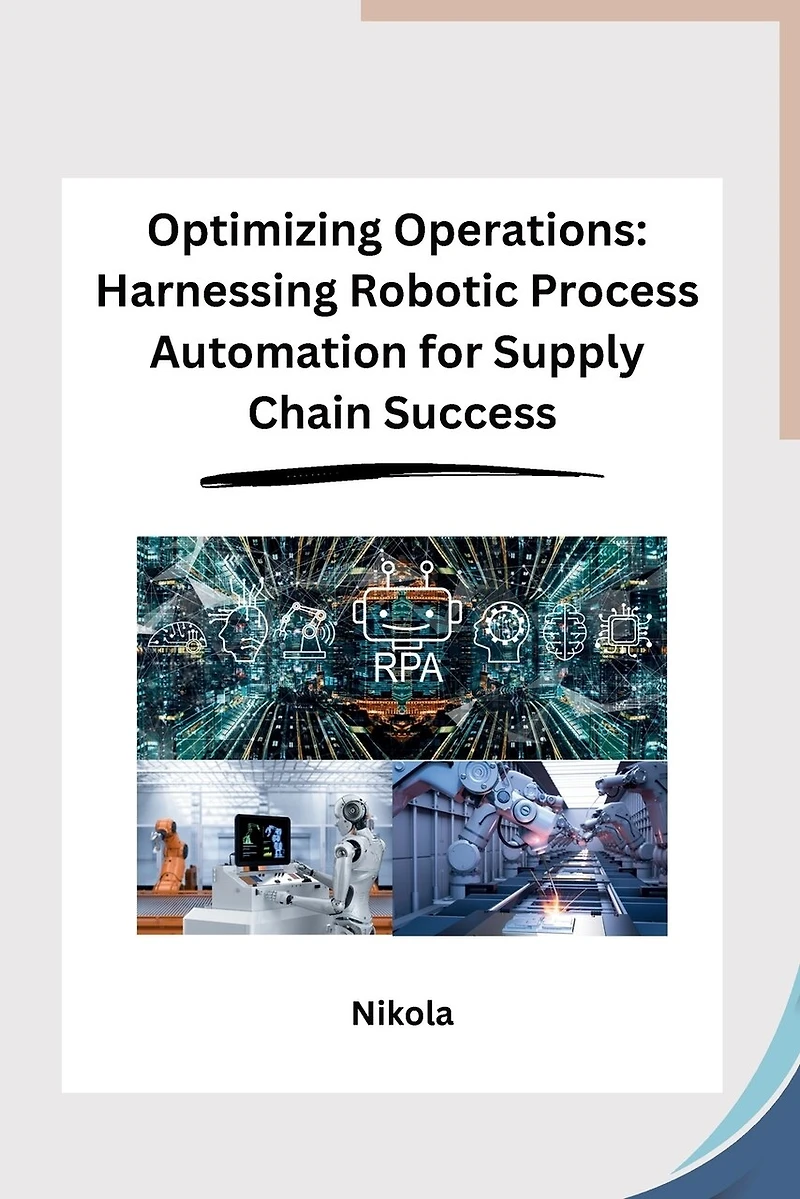
Optimizing Operations: Harnessing Robotic Process Automation for Supply Chain Success
Current price: $35.99

Optimizing Operations: Harnessing Robotic Process Automation for Supply Chain Success
Current price: $35.99
Loading Inventory...
Size: Paperback
*Product information may vary - to confirm product availability, pricing, shipping and return information please contact Indigo
In recent years, the field of supply chain management has witnessed a significant transformation with the advent of Robotic Process Automation (RPA). This groundbreaking technology has revolutionized the way organizations approach their supply chain operations, offering immense potential for streamlining processes, reducing costs, and maximizing efficiency. In this subchapter, we will delve into the key aspects of RPA and explore its crucial role in optimizing supply chain operations. RPA refers to the use of software robots or intelligent bots to automate repetitive, rule-based tasks within a business process. These bots are programmed to mimic human actions and interactions with various systems, applications, and data sources. By automating mundane tasks such as data entry, order processing, inventory management, and invoice generation, RPA eliminates human error, accelerates processes, and frees up valuable human resources to focus on more strategic activities. One of the primary advantages of RPA in supply chain optimization is its ability to enhance speed and accuracy. Unlike humans, robots can work tirelessly 24/7, ensuring round-the-clock operations and faster cycle times. This enables organizations to meet customer demands promptly, reduce lead times, and improve overall customer satisfaction. Moreover, RPA ensures higher accuracy by minimizing the risk of human errors, eliminating data duplication, and enhancing data quality. Another vital aspect of RPA is its seamless integration with existing systems and technologies. RPA bots can effortlessly interact with legacy systems, ERPs, CRMs, and other software applications, effectively bridging the gap between disparate systems and enabling data synchronization in real-time. This integration capability enhances visibility and transparency across the supply chain, enabling organizations to make informed decisions, identify bottlenecks, and optimize processes for maximum efficiency. Furthermore, RPA offers scalability and flexibility, making it an ideal solution for organizations of all sizes and industries. Whether it's a small e-commerce startup or a multinational conglomerate, RPA can be tailored to suit specific business requirements and seamlessly adapt to changing operational needs. This flexibility allows organizations to scale their operations without significant additional costs, ensuring long-term sustainability and growth.
In recent years, the field of supply chain management has witnessed a significant transformation with the advent of Robotic Process Automation (RPA). This groundbreaking technology has revolutionized the way organizations approach their supply chain operations, offering immense potential for streamlining processes, reducing costs, and maximizing efficiency. In this subchapter, we will delve into the key aspects of RPA and explore its crucial role in optimizing supply chain operations. RPA refers to the use of software robots or intelligent bots to automate repetitive, rule-based tasks within a business process. These bots are programmed to mimic human actions and interactions with various systems, applications, and data sources. By automating mundane tasks such as data entry, order processing, inventory management, and invoice generation, RPA eliminates human error, accelerates processes, and frees up valuable human resources to focus on more strategic activities. One of the primary advantages of RPA in supply chain optimization is its ability to enhance speed and accuracy. Unlike humans, robots can work tirelessly 24/7, ensuring round-the-clock operations and faster cycle times. This enables organizations to meet customer demands promptly, reduce lead times, and improve overall customer satisfaction. Moreover, RPA ensures higher accuracy by minimizing the risk of human errors, eliminating data duplication, and enhancing data quality. Another vital aspect of RPA is its seamless integration with existing systems and technologies. RPA bots can effortlessly interact with legacy systems, ERPs, CRMs, and other software applications, effectively bridging the gap between disparate systems and enabling data synchronization in real-time. This integration capability enhances visibility and transparency across the supply chain, enabling organizations to make informed decisions, identify bottlenecks, and optimize processes for maximum efficiency. Furthermore, RPA offers scalability and flexibility, making it an ideal solution for organizations of all sizes and industries. Whether it's a small e-commerce startup or a multinational conglomerate, RPA can be tailored to suit specific business requirements and seamlessly adapt to changing operational needs. This flexibility allows organizations to scale their operations without significant additional costs, ensuring long-term sustainability and growth.
You May Also Like







More About Indigo at Erin Mills Town Centre
The largest book retailer in Canada also offers toys, music, home décor, gifts and lifestyle products. What's Inside...Books, Magazines, CD’s and DVD’s, Toys and Gifts, Home Accents, Electronics, Baby’s and Children’s Section, Bath and Body, Kitchen and Bedroom, Stationary Located outside in the exterior plaza.
5015 Glen Erin Dr, Mississauga, ON L5M 0R7, Canada
Find Indigo at Erin Mills Town Centre in Mississauga ON
Visit Indigo at Erin Mills Town Centre in Mississauga ON