

GIVE THE PERFECT GIFT
Erin Mills Town Centre Gift Cards are the perfect choice for your gift giving needs.Purchase gift cards at kiosks near the food court or centre court, at Guest Services, or click below to purchase online.PURCHASE HEREHome
Options and Agency
Indigo
Loading Inventory...
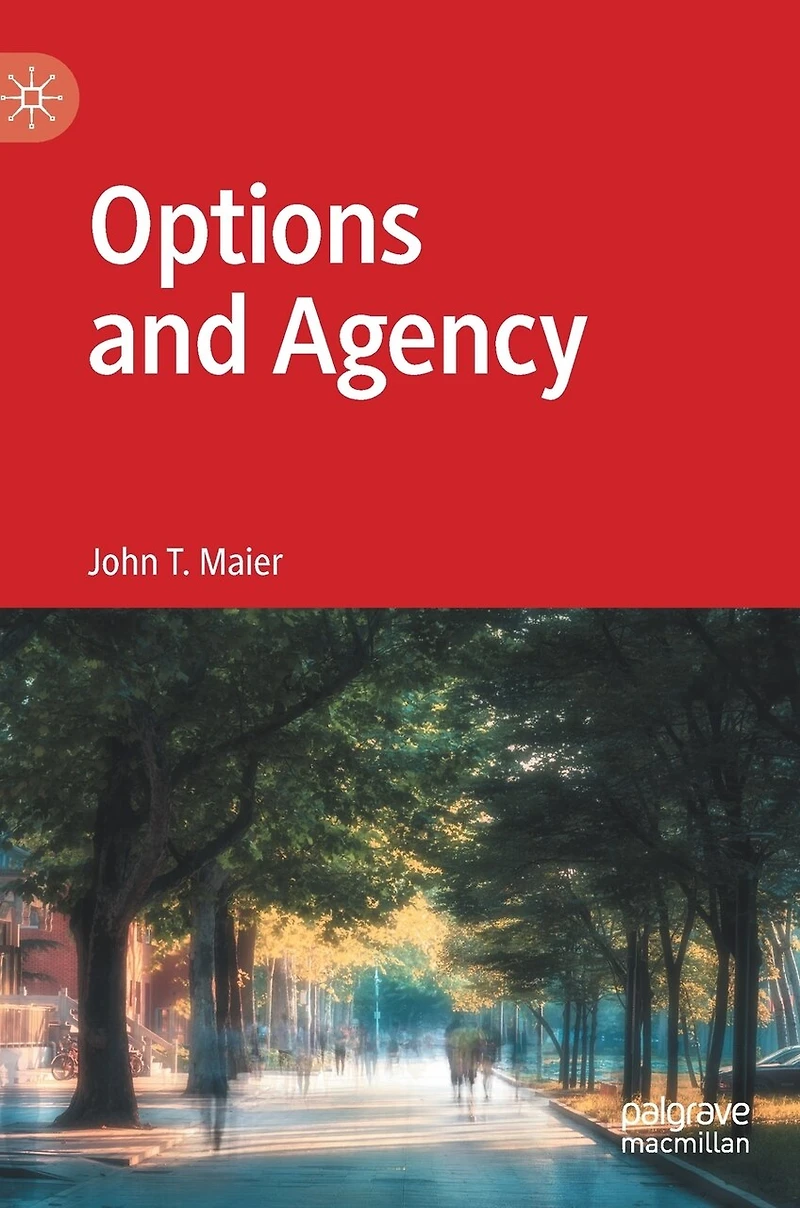
Options and Agency
Current price: $160.95

Options and Agency
Current price: $160.95
Loading Inventory...
Size: Hardcover
*Product information may vary - to confirm product availability, pricing, shipping and return information please contact Indigo
This book develops an original theory of agentive modality: the kind of modality that is distinctive to agents. The central thesis is that the idea of an option should be taken as primitive, and that other agentive notions - such as ability, skill, and free will - should be understood in terms of options.
The main contributions of this book are twofold. First, it resolves many of the outstanding questions in the metaphysics and semantics of agentive modality. In doing so, it develops original accounts of topics that have been central to philosophy since Aristotle. It also contributes to a lively contemporary literature on these topics. Second, it articulates an austere and uncompromising form of compatibilism about free will, termed "simple compatibilism." Simple compatibilism is so-called because it rejects both the reductive theses endorsed by traditional compatibilists and the sophisticated proposals of many contemporary compatibilists. Instead, it turns precisely on insisting that options are analytically simple. Arguments for incompatibilism are shown to rest on auxiliary principles that should, in light of the book's general account of options, be rejected.
This book develops an original theory of agentive modality: the kind of modality that is distinctive to agents. The central thesis is that the idea of an option should be taken as primitive, and that other agentive notions - such as ability, skill, and free will - should be understood in terms of options.
The main contributions of this book are twofold. First, it resolves many of the outstanding questions in the metaphysics and semantics of agentive modality. In doing so, it develops original accounts of topics that have been central to philosophy since Aristotle. It also contributes to a lively contemporary literature on these topics. Second, it articulates an austere and uncompromising form of compatibilism about free will, termed "simple compatibilism." Simple compatibilism is so-called because it rejects both the reductive theses endorsed by traditional compatibilists and the sophisticated proposals of many contemporary compatibilists. Instead, it turns precisely on insisting that options are analytically simple. Arguments for incompatibilism are shown to rest on auxiliary principles that should, in light of the book's general account of options, be rejected.
You May Also Like









More About Indigo at Erin Mills Town Centre
The largest book retailer in Canada also offers toys, music, home décor, gifts and lifestyle products. What's Inside...Books, Magazines, CD’s and DVD’s, Toys and Gifts, Home Accents, Electronics, Baby’s and Children’s Section, Bath and Body, Kitchen and Bedroom, Stationary Located outside in the exterior plaza.
5015 Glen Erin Dr, Mississauga, ON L5M 0R7, Canada
Find Indigo at Erin Mills Town Centre in Mississauga ON
Visit Indigo at Erin Mills Town Centre in Mississauga ON