

GIVE THE PERFECT GIFT
Erin Mills Town Centre Gift Cards are the perfect choice for your gift giving needs.Purchase gift cards at kiosks near the food court or centre court, at Guest Services, or click below to purchase online.PURCHASE HEREHome
Organization as Time: Technology, Power and Politics
Indigo
Loading Inventory...
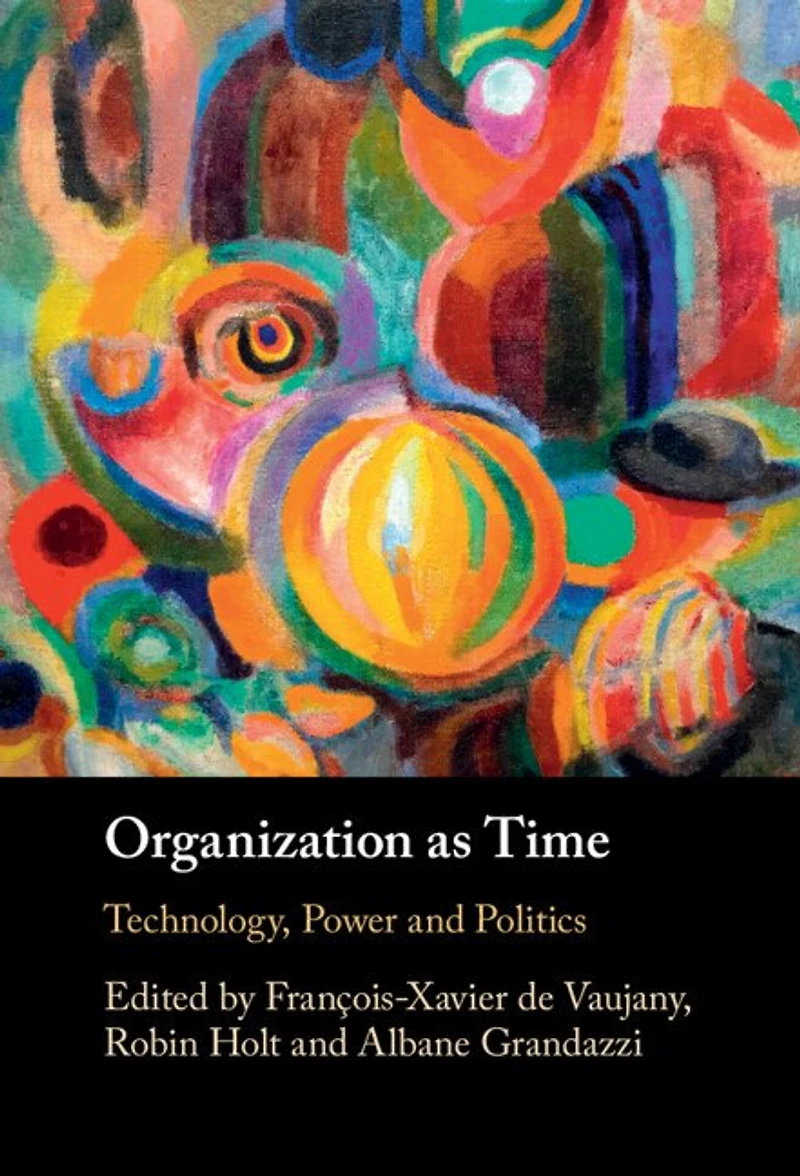
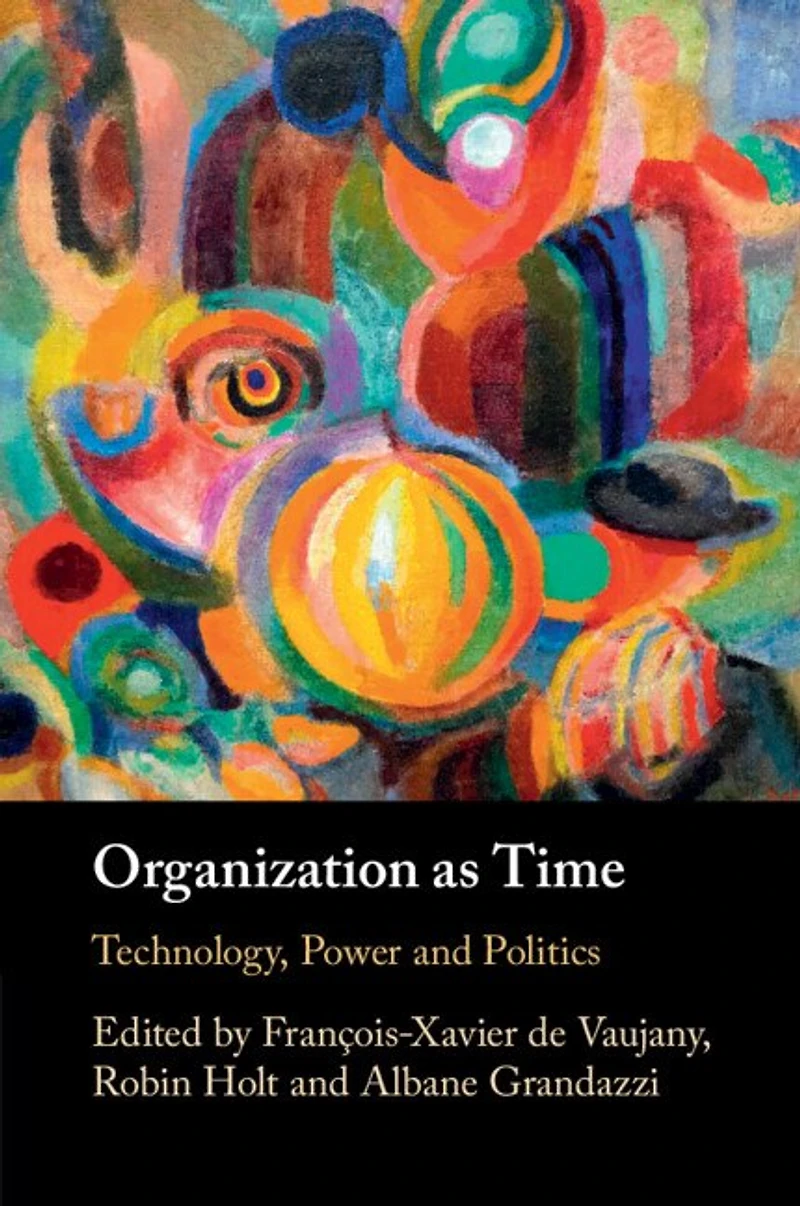
Organization as Time: Technology, Power and Politics
Current price: $162.95

Organization as Time: Technology, Power and Politics
Current price: $162.95
Loading Inventory...
Size: Hardcover
*Product information may vary - to confirm product availability, pricing, shipping and return information please contact Indigo
The bulk of Management and Organization Studies deals with time as organization. Time is performed, organized, enacted, and as such is a locus of power. In this edited book, we stress the importance of organization as time. Time is an organizing force. The happening and becoming of collective activity, its technologies, its images, keep empowering, dominating or (more rarely) emancipating the fragile and ephemeral subjectivities of our world. The turn to digitality in all aspects of contemporary life has made the organizing power of time more pervasive than ever. How to describe organization as time? How to explore the relationship between becoming, duration, images, events, non-events or historicity and their relationships with power and emancipation? These are the rich and varied challenges seized by this book by a team of leading scholars interested in time and temporality in the context of management and organization.
The bulk of Management and Organization Studies deals with time as organization. Time is performed, organized, enacted, and as such is a locus of power. In this edited book, we stress the importance of organization as time. Time is an organizing force. The happening and becoming of collective activity, its technologies, its images, keep empowering, dominating or (more rarely) emancipating the fragile and ephemeral subjectivities of our world. The turn to digitality in all aspects of contemporary life has made the organizing power of time more pervasive than ever. How to describe organization as time? How to explore the relationship between becoming, duration, images, events, non-events or historicity and their relationships with power and emancipation? These are the rich and varied challenges seized by this book by a team of leading scholars interested in time and temporality in the context of management and organization.
You May Also Like








More About Indigo at Erin Mills Town Centre
The largest book retailer in Canada also offers toys, music, home décor, gifts and lifestyle products. What's Inside...Books, Magazines, CD’s and DVD’s, Toys and Gifts, Home Accents, Electronics, Baby’s and Children’s Section, Bath and Body, Kitchen and Bedroom, Stationary Located outside in the exterior plaza.
5015 Glen Erin Dr, Mississauga, ON L5M 0R7, Canada
Find Indigo at Erin Mills Town Centre in Mississauga ON
Visit Indigo at Erin Mills Town Centre in Mississauga ON