

GIVE THE PERFECT GIFT
Erin Mills Town Centre Gift Cards are the perfect choice for your gift giving needs.Purchase gift cards at kiosks near the food court or centre court, at Guest Services, or click below to purchase online.PURCHASE HEREHome
Organizational Change Practice: The Eight Deadly Sins Preventing Effective
Indigo
Loading Inventory...
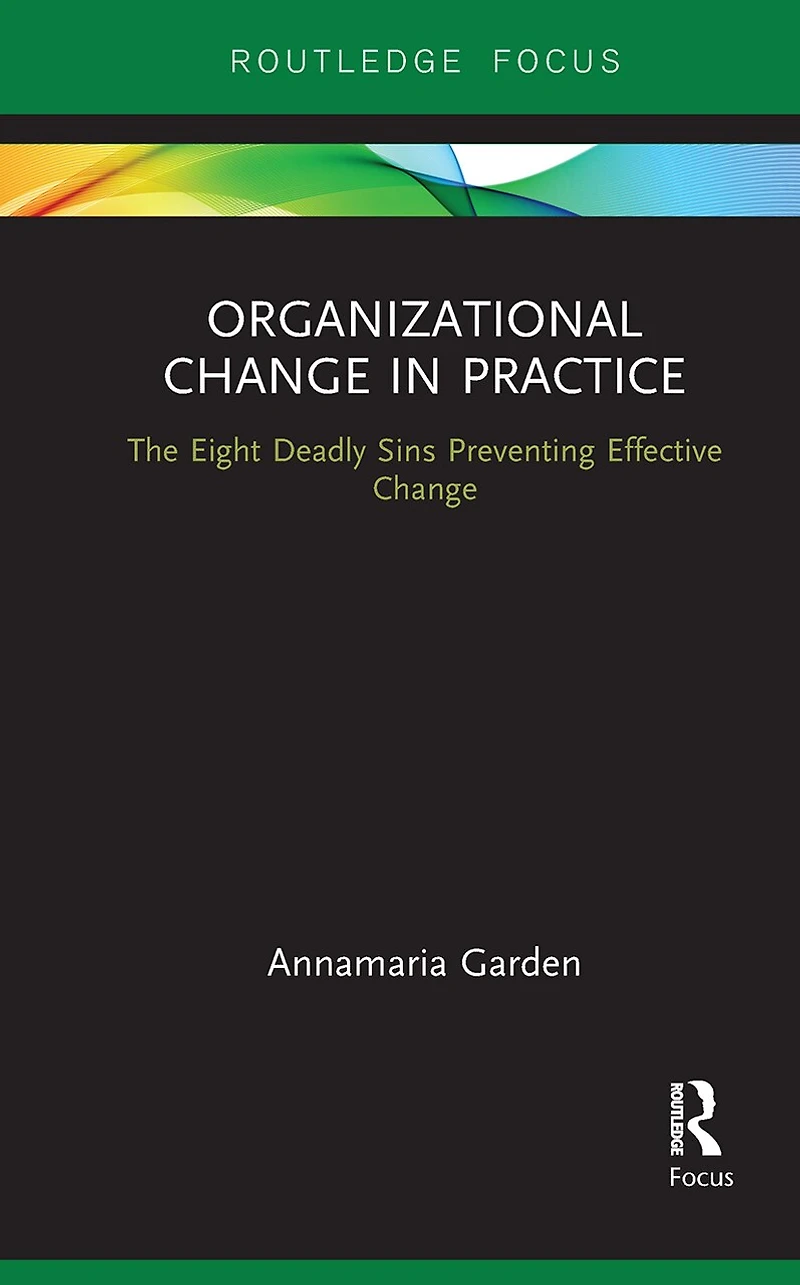
Organizational Change Practice: The Eight Deadly Sins Preventing Effective
Current price: $44.77

Organizational Change Practice: The Eight Deadly Sins Preventing Effective
Current price: $44.77
Loading Inventory...
Size: Kobo eBook
*Product information may vary - to confirm product availability, pricing, shipping and return information please contact Indigo
This book challenges the practice or organizational change programmes. It uses two case studies in depth to illustrate that consulting companies can often get it wrong. Senior managers often do not know enough about managing change. The text is arranged around eight deadly sins to avoid in the practice of change: self-deception of the change agents rather than self-awareness; destruction of the identity of the organization caused by arrogance; especially of the large consulting companies; destruction of cohesion; gobbledygook language; concentrating on structural change, not behavioural change; making the organization worse, not better; the intelligence in resistance; and the deep trauma of redundancy.
The author's main objective is to get academics and practitioners to stop and think about what they are doing when they work with organizations. Organizational Change in Practice will be of interest to business professionals seeking to understand how change can impact their organization as well as organizational consultants.
This book challenges the practice or organizational change programmes. It uses two case studies in depth to illustrate that consulting companies can often get it wrong. Senior managers often do not know enough about managing change. The text is arranged around eight deadly sins to avoid in the practice of change: self-deception of the change agents rather than self-awareness; destruction of the identity of the organization caused by arrogance; especially of the large consulting companies; destruction of cohesion; gobbledygook language; concentrating on structural change, not behavioural change; making the organization worse, not better; the intelligence in resistance; and the deep trauma of redundancy.
The author's main objective is to get academics and practitioners to stop and think about what they are doing when they work with organizations. Organizational Change in Practice will be of interest to business professionals seeking to understand how change can impact their organization as well as organizational consultants.
You May Also Like

















More About Indigo at Erin Mills Town Centre
The largest book retailer in Canada also offers toys, music, home décor, gifts and lifestyle products. What's Inside...Books, Magazines, CD’s and DVD’s, Toys and Gifts, Home Accents, Electronics, Baby’s and Children’s Section, Bath and Body, Kitchen and Bedroom, Stationary Located outside in the exterior plaza.
5015 Glen Erin Dr, Mississauga, ON L5M 0R7, Canada
Find Indigo at Erin Mills Town Centre in Mississauga ON
Visit Indigo at Erin Mills Town Centre in Mississauga ON