

GIVE THE PERFECT GIFT
Erin Mills Town Centre Gift Cards are the perfect choice for your gift giving needs.Purchase gift cards at kiosks near the food court or centre court, at Guest Services, or click below to purchase online.PURCHASE HEREHome
Our Daily Bread: Its Cultural and Religious Significance throughout History
Indigo
Loading Inventory...
Our Daily Bread: Its Cultural and Religious Significance throughout History
Current price: $4.99

Our Daily Bread: Its Cultural and Religious Significance throughout History
Current price: $4.99
Loading Inventory...
Size: Kobo eBook
*Product information may vary - to confirm product availability, pricing, shipping and return information please contact Indigo
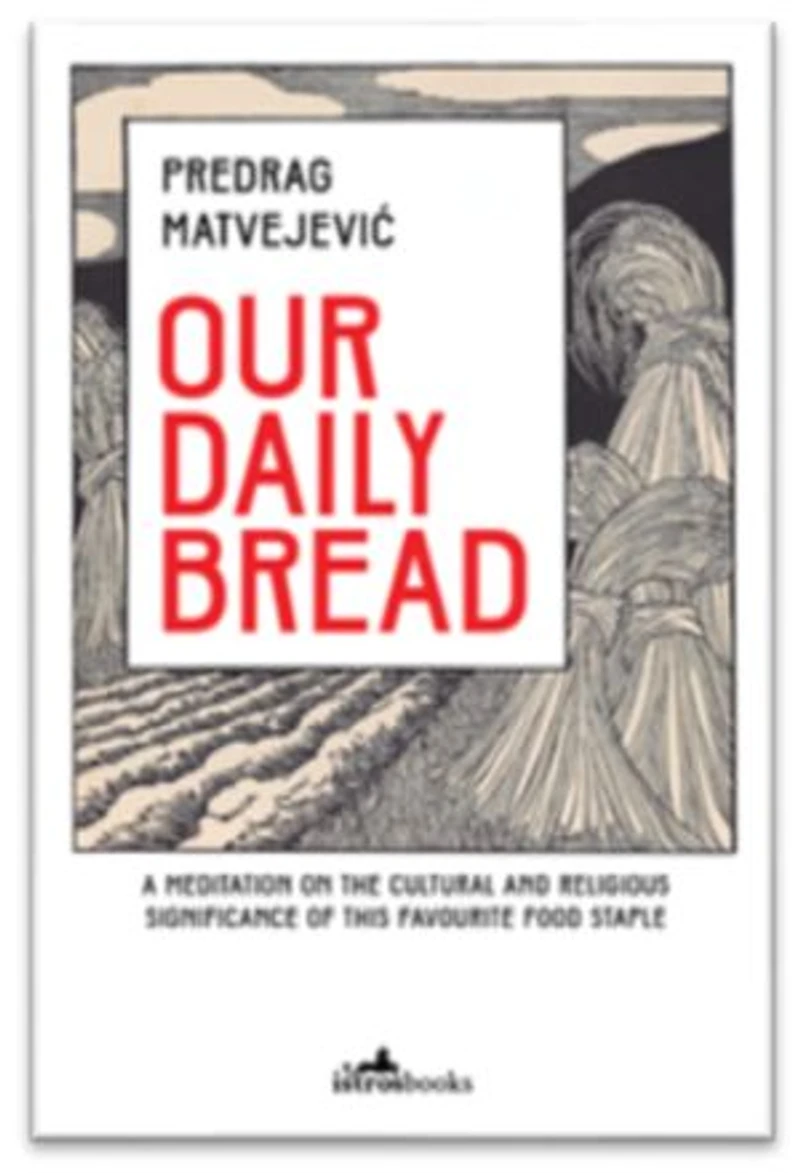
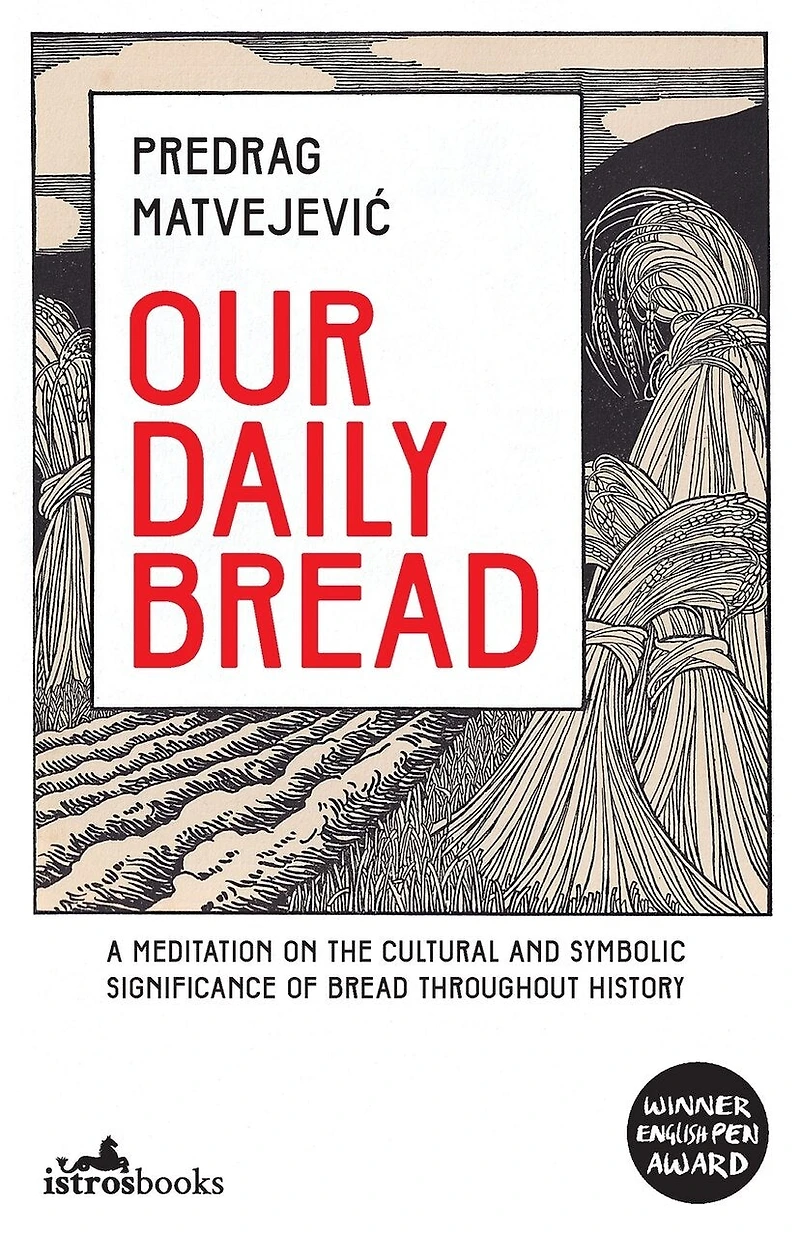
Our Daily Bread charmingly weaves together the customs, rituals, anecdotes, legends and sayings that tell the story of bread, from Mesopotamia, through Egypt, to the Far East, ancient Greece, ancient Rome, and the New World. Matvejevic shows how bread is depicted in literature and art (with beautiful illustrations) and examines especially closely the role of bread in the major world religions, drawing from the Bible, Talmud and Quran, but also at various apocryphal texts. In his seventh and last chapter, his narrative moves to the personal, explaining what motivated him to write this book; the lean years of his childhood during World War II and his father's detention in a German concentration camp. Warning about the pending threat of hunger in the "developed world," the book fittingly ends with a quote from the Russian anarchist Pyotr Kropotkin: "The question of bread must take precedence over all other questions."
Our Daily Bread charmingly weaves together the customs, rituals, anecdotes, legends and sayings that tell the story of bread, from Mesopotamia, through Egypt, to the Far East, ancient Greece, ancient Rome, and the New World. Matvejevic shows how bread is depicted in literature and art (with beautiful illustrations) and examines especially closely the role of bread in the major world religions, drawing from the Bible, Talmud and Quran, but also at various apocryphal texts. In his seventh and last chapter, his narrative moves to the personal, explaining what motivated him to write this book; the lean years of his childhood during World War II and his father's detention in a German concentration camp. Warning about the pending threat of hunger in the "developed world," the book fittingly ends with a quote from the Russian anarchist Pyotr Kropotkin: "The question of bread must take precedence over all other questions."
You May Also Like







More About Indigo at Erin Mills Town Centre
The largest book retailer in Canada also offers toys, music, home décor, gifts and lifestyle products. What's Inside...Books, Magazines, CD’s and DVD’s, Toys and Gifts, Home Accents, Electronics, Baby’s and Children’s Section, Bath and Body, Kitchen and Bedroom, Stationary Located outside in the exterior plaza.
5015 Glen Erin Dr, Mississauga, ON L5M 0R7, Canada
Find Indigo at Erin Mills Town Centre in Mississauga ON
Visit Indigo at Erin Mills Town Centre in Mississauga ON