

GIVE THE PERFECT GIFT
Erin Mills Town Centre Gift Cards are the perfect choice for your gift giving needs.Purchase gift cards at kiosks near the food court or centre court, at Guest Services, or click below to purchase online.PURCHASE HEREHome
Paleoethnobotanical Study of Ancient Food Crops and the Environmental Context in North-East Africa, 6000 BC-AD 200/300
Indigo
Loading Inventory...
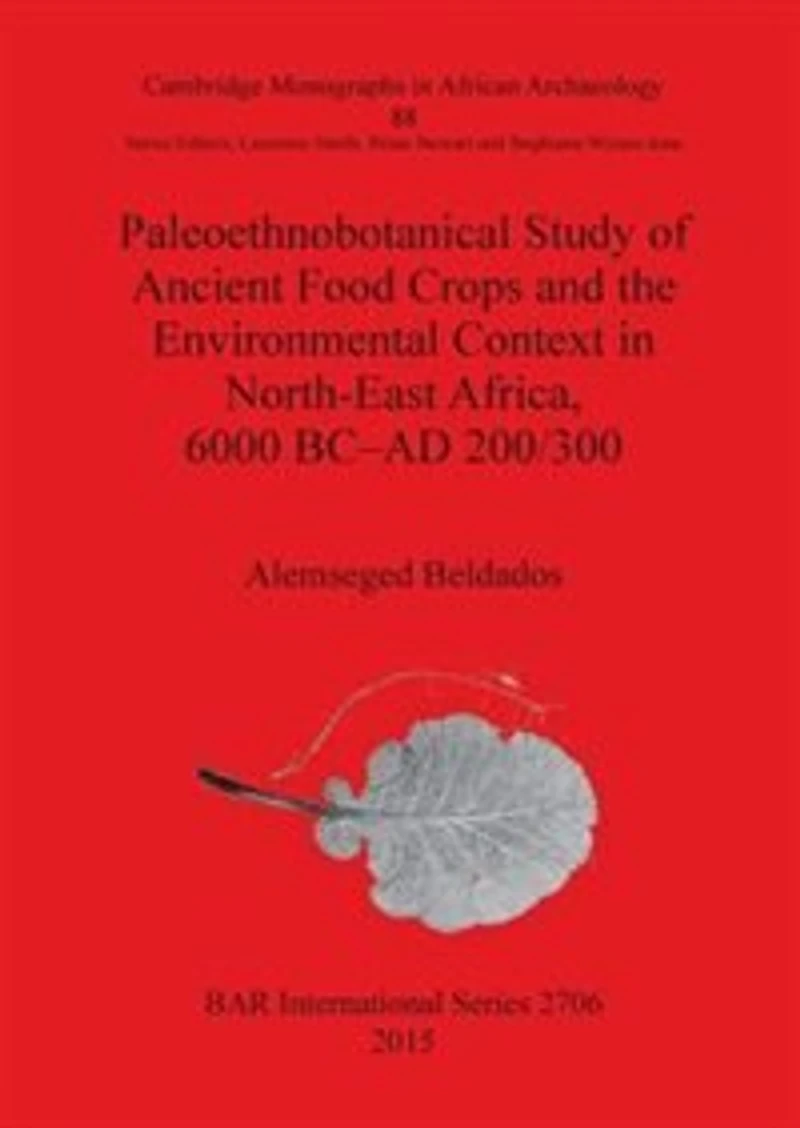
Paleoethnobotanical Study of Ancient Food Crops and the Environmental Context in North-East Africa, 6000 BC-AD 200/300
Current price: $42.00

Paleoethnobotanical Study of Ancient Food Crops and the Environmental Context in North-East Africa, 6000 BC-AD 200/300
Current price: $42.00
Loading Inventory...
Size: Paperback
*Product information may vary - to confirm product availability, pricing, shipping and return information please contact Indigo
Archaeobotanical investigation was conducted on a total of thirty two thousand (n=32,000) pot fragments, baked clay and fired clay collected from different sites belonging to five Cultural Groups in Eastern Sudan. The Cultural Groups include Amm Adam, Butana, Gash, Jebel Mokram, and Hagiz. Soil samples (6 kilos) were also analyzed from various excavation spots at Mahal Teglinos, a major site that rendered data on Butana, Gash, Jebel Mokram and Hagiz Groups. The objective of the study was to reconstruct ancient food systems of the pre-historic inhabitants of a region of Northeast Africa and its environmental milieu. The result of the study demonstrated the subsistence bases of the inhabitants from ca. 6,000 B.C. to 200/300 A.D. Crops like the small seededmillets (Setaria sp., Eleusine sp., Paspalum sp., Echinochloa sp., Pennisetum sp.), Sorghum verticilliflorum, Sorghum bicolor bicolor, Hordeum sp., Triticum monococcum/dicoccum, and seeds and fruit stones (Vigna unguiculata, Grewia bicolor Juss., Ziziphus sp. (mainly Ziziphus spina christi) and Celtis integrifolia) were cultivated for consumption during this period. The study has also shed new light on the domestication history of Sorghum bicolor. The wild Sorghum, Sorghum bicolor verticilliflorum and its cultivated variety, Sorghum bicolor were simultaneously exploited by the Jebel Mokram Group people between 2,000 B.C. and 1,000 B.C. One of the oldest domesticated morphotype of Sorghum bicolor, i.e. an intermediary phase between the wild progenitor and its domesticated variety was revealed by the same investigation. Morphological change that has occurred while the species was evolving from wild to cultivated is measured using a Leica Qwin software.
Archaeobotanical investigation was conducted on a total of thirty two thousand (n=32,000) pot fragments, baked clay and fired clay collected from different sites belonging to five Cultural Groups in Eastern Sudan. The Cultural Groups include Amm Adam, Butana, Gash, Jebel Mokram, and Hagiz. Soil samples (6 kilos) were also analyzed from various excavation spots at Mahal Teglinos, a major site that rendered data on Butana, Gash, Jebel Mokram and Hagiz Groups. The objective of the study was to reconstruct ancient food systems of the pre-historic inhabitants of a region of Northeast Africa and its environmental milieu. The result of the study demonstrated the subsistence bases of the inhabitants from ca. 6,000 B.C. to 200/300 A.D. Crops like the small seededmillets (Setaria sp., Eleusine sp., Paspalum sp., Echinochloa sp., Pennisetum sp.), Sorghum verticilliflorum, Sorghum bicolor bicolor, Hordeum sp., Triticum monococcum/dicoccum, and seeds and fruit stones (Vigna unguiculata, Grewia bicolor Juss., Ziziphus sp. (mainly Ziziphus spina christi) and Celtis integrifolia) were cultivated for consumption during this period. The study has also shed new light on the domestication history of Sorghum bicolor. The wild Sorghum, Sorghum bicolor verticilliflorum and its cultivated variety, Sorghum bicolor were simultaneously exploited by the Jebel Mokram Group people between 2,000 B.C. and 1,000 B.C. One of the oldest domesticated morphotype of Sorghum bicolor, i.e. an intermediary phase between the wild progenitor and its domesticated variety was revealed by the same investigation. Morphological change that has occurred while the species was evolving from wild to cultivated is measured using a Leica Qwin software.
You May Also Like









More About Indigo at Erin Mills Town Centre
The largest book retailer in Canada also offers toys, music, home décor, gifts and lifestyle products. What's Inside...Books, Magazines, CD’s and DVD’s, Toys and Gifts, Home Accents, Electronics, Baby’s and Children’s Section, Bath and Body, Kitchen and Bedroom, Stationary Located outside in the exterior plaza.
5015 Glen Erin Dr, Mississauga, ON L5M 0R7, Canada
Find Indigo at Erin Mills Town Centre in Mississauga ON
Visit Indigo at Erin Mills Town Centre in Mississauga ON