

GIVE THE PERFECT GIFT
Erin Mills Town Centre Gift Cards are the perfect choice for your gift giving needs.Purchase gift cards at kiosks near the food court or centre court, at Guest Services, or click below to purchase online.PURCHASE HEREHome
Palimpsests Of Themselves: Logic And Commentary In Postclassical Muslim South Asia
Indigo
Loading Inventory...
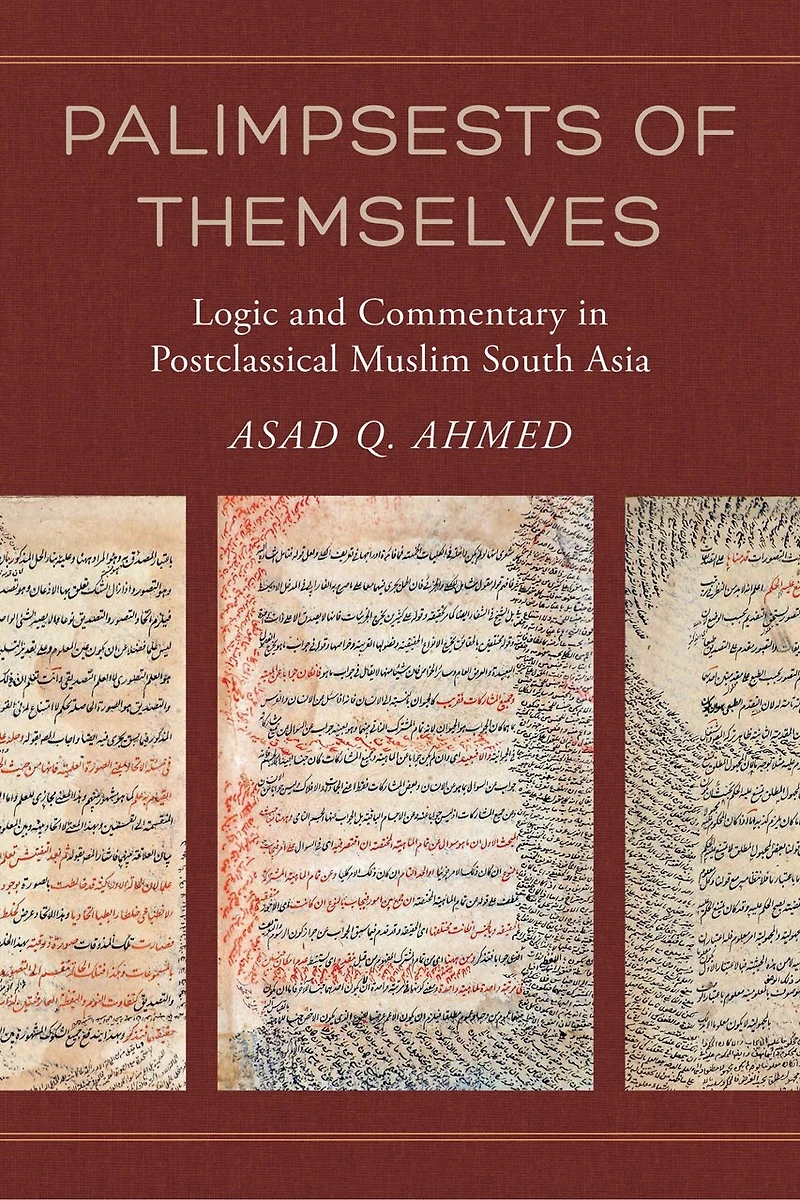
Palimpsests Of Themselves: Logic And Commentary In Postclassical Muslim South Asia
Current price: $47.03

Palimpsests Of Themselves: Logic And Commentary In Postclassical Muslim South Asia
Current price: $47.03
Loading Inventory...
Size: Paperback
*Product information may vary - to confirm product availability, pricing, shipping and return information please contact Indigo
A free open access ebook is available upon publication. Learn more at www.luminosoa.org .
Palimpsests of Themselves is an intervention in current discussions about the fate of philosophy in postclassical Islamic intellectual history. Asad Q. Ahmed uses as a case study the most advanced logic textbook of Muslim South Asia, The Ladder of the Sciences , presenting in English its first full translation and extended commentary. He offers detailed assessments of the technical contributions of the work, explores the social and institutional settings of the vast commentarial response it elicited, and develops a theory of the philosophical commentary that is internal to the tradition. These approaches to the commentarial text complicate presuppositions upon which questions of Islam’s intellectual decline are erected. As such, Ahmed offers a unique and powerful opportunity to understand the transmission of knowledge across the Islamic world.
A free open access ebook is available upon publication. Learn more at www.luminosoa.org .
Palimpsests of Themselves is an intervention in current discussions about the fate of philosophy in postclassical Islamic intellectual history. Asad Q. Ahmed uses as a case study the most advanced logic textbook of Muslim South Asia, The Ladder of the Sciences , presenting in English its first full translation and extended commentary. He offers detailed assessments of the technical contributions of the work, explores the social and institutional settings of the vast commentarial response it elicited, and develops a theory of the philosophical commentary that is internal to the tradition. These approaches to the commentarial text complicate presuppositions upon which questions of Islam’s intellectual decline are erected. As such, Ahmed offers a unique and powerful opportunity to understand the transmission of knowledge across the Islamic world.
You May Also Like







More About Indigo at Erin Mills Town Centre
The largest book retailer in Canada also offers toys, music, home décor, gifts and lifestyle products. What's Inside...Books, Magazines, CD’s and DVD’s, Toys and Gifts, Home Accents, Electronics, Baby’s and Children’s Section, Bath and Body, Kitchen and Bedroom, Stationary Located outside in the exterior plaza.
5015 Glen Erin Dr, Mississauga, ON L5M 0R7, Canada
Find Indigo at Erin Mills Town Centre in Mississauga ON
Visit Indigo at Erin Mills Town Centre in Mississauga ON