

GIVE THE PERFECT GIFT
Erin Mills Town Centre Gift Cards are the perfect choice for your gift giving needs.Purchase gift cards at kiosks near the food court or centre court, at Guest Services, or click below to purchase online.PURCHASE HEREHome
Paragons and Paragone: Van Eyck, Raphael, Michelangelo, Caravaggio, Bernini
Indigo
Loading Inventory...
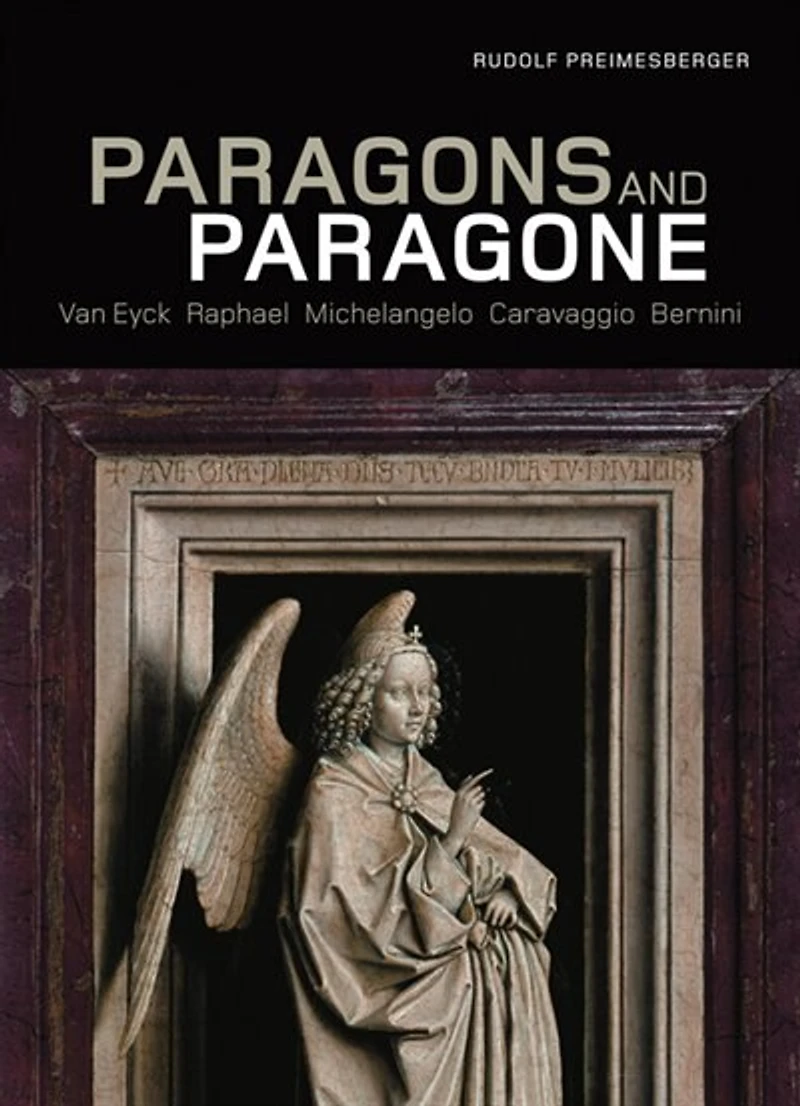
Paragons and Paragone: Van Eyck, Raphael, Michelangelo, Caravaggio, Bernini
Current price: $52.00

Paragons and Paragone: Van Eyck, Raphael, Michelangelo, Caravaggio, Bernini
Current price: $52.00
Loading Inventory...
Size: Hardcover
*Product information may vary - to confirm product availability, pricing, shipping and return information please contact Indigo
The paragone —the notion of competition and rivalry among the arts—has been a topic of debate for centuries. It erupted with great force in the Renaissance, with sculptors vying with painters for superiority, modern artists competing with the ancients, and painting challenging poetry. If the traces of this lively conversation are most evident in the literature, the remarkable scholarship presented here demonstrates how the paragone was rendered visible also in works of art.
The essays on Renaissance and Baroque art reveal the paragone to be a crucial motive and key to the interpretation of some of the most celebrated works of art such as Van Eyck’s Ghent Altarpiece and Michelangelo’s Pietà in St. Peter’s Basilica. The author’s incisive and erudite analysis of social history, biography, rhetoric, art theory, wordplay, and history illuminates these works anew, thus affording a modern audience a better understanding of the subtleties of their composition and meaning. Readers will find surprising insights and unsuspected drama in works of art they may have thought they knew.
The paragone —the notion of competition and rivalry among the arts—has been a topic of debate for centuries. It erupted with great force in the Renaissance, with sculptors vying with painters for superiority, modern artists competing with the ancients, and painting challenging poetry. If the traces of this lively conversation are most evident in the literature, the remarkable scholarship presented here demonstrates how the paragone was rendered visible also in works of art.
The essays on Renaissance and Baroque art reveal the paragone to be a crucial motive and key to the interpretation of some of the most celebrated works of art such as Van Eyck’s Ghent Altarpiece and Michelangelo’s Pietà in St. Peter’s Basilica. The author’s incisive and erudite analysis of social history, biography, rhetoric, art theory, wordplay, and history illuminates these works anew, thus affording a modern audience a better understanding of the subtleties of their composition and meaning. Readers will find surprising insights and unsuspected drama in works of art they may have thought they knew.










More About Indigo at Erin Mills Town Centre
The largest book retailer in Canada also offers toys, music, home décor, gifts and lifestyle products. What's Inside...Books, Magazines, CD’s and DVD’s, Toys and Gifts, Home Accents, Electronics, Baby’s and Children’s Section, Bath and Body, Kitchen and Bedroom, Stationary Located outside in the exterior plaza.
5015 Glen Erin Dr, Mississauga, ON L5M 0R7, Canada
Find Indigo at Erin Mills Town Centre in Mississauga ON
Visit Indigo at Erin Mills Town Centre in Mississauga ON