

GIVE THE PERFECT GIFT
Erin Mills Town Centre Gift Cards are the perfect choice for your gift giving needs.Purchase gift cards at kiosks near the food court or centre court, at Guest Services, or click below to purchase online.PURCHASE HEREHome
Party Politics and Populism Zambia: Michael Sata Political Change, 1955–2014
Indigo
Loading Inventory...
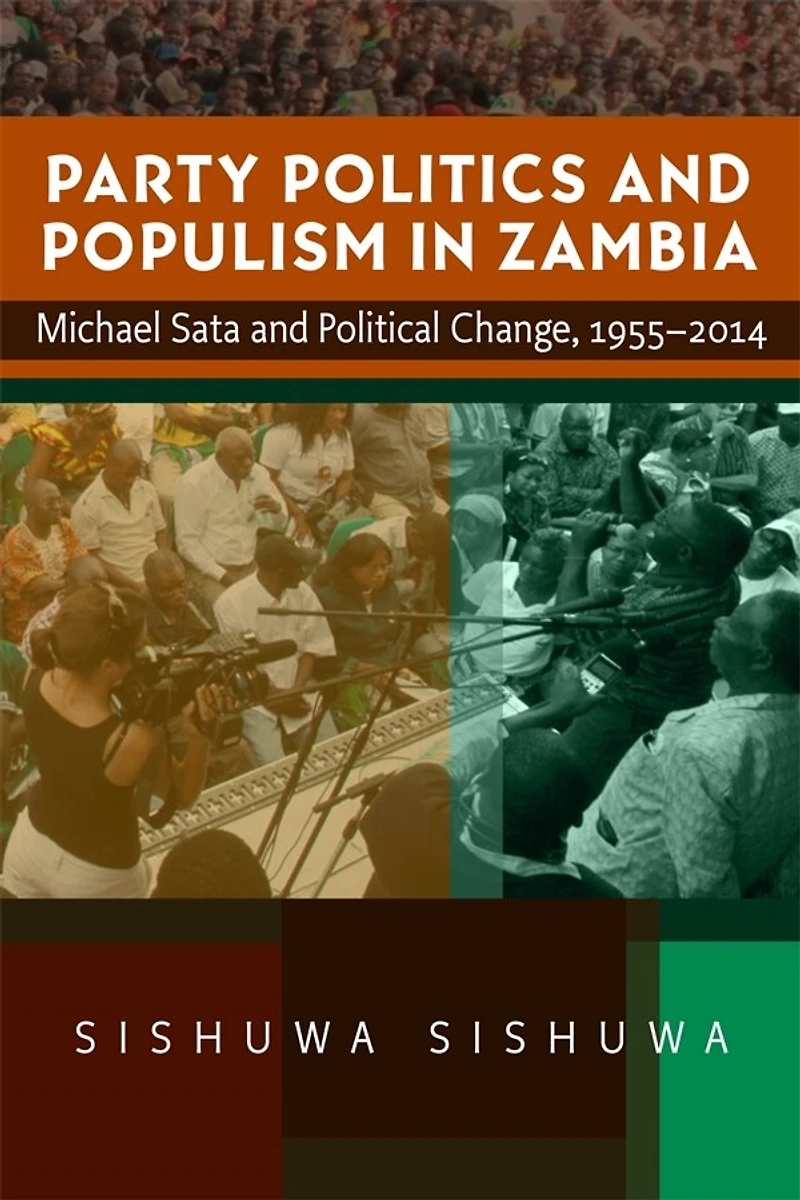
Party Politics and Populism Zambia: Michael Sata Political Change, 1955–2014
Current price: $157.20

Party Politics and Populism Zambia: Michael Sata Political Change, 1955–2014
Current price: $157.20
Loading Inventory...
Size: Hardcover
*Product information may vary - to confirm product availability, pricing, shipping and return information please contact Indigo
Analysis of the political history of Zambia through a study of Michael Sata. It shows the interaction between party politics and populism since the 1950s, the nature and competitiveness of electoral politics in single or dominant party regimes, and the importance of individual political leadership to the success of opposition parties in Africa.
Javier Milei in Argentina, Donald Trump in the United States, Giorgia Meloni in Italy, Narendra Modi in India, Julius Malema in South Africa - populist leaders are thriving in party politics across the world. Structural changes like the globalisation of the economy, rising inequality, and increased voter detachment from traditional parties have given rise to distinct social grievances on which the populist leader feeds. But how does such a leader emerge? This book uses the study of Michael Sata, former president of Zambia and one of the most intriguing political figures of modern African history, to provide insight into the origins and personality of the populist. It argues that three factors - the structural, the economic and, importantly, the personal - are needed to understand when and how populism develops.
Based on exclusive interviews with Sata, as well as with his friends, allies, opponents, and journalists, and on newspapers, archives, personal correspondence, and participant observation, Sata's election to the Zambian presidency in 2011 is explained as the culmination of a political journey spanning the late colonial period (1953-1964), the years of one-party rule (1973-1991), and the era of multiparty democracy (since 1991). The book explores the nature and style of his political strategy, the grievances that he articulated and played on, the constituencies he targeted and mobilised, the policy appeals around which he rallied support, and the language with which he expressed those appeals. At the same time, it uses the prism of Sata's political life to examine the growth of populism in Zambia and its practice in party politics since the 1950s. As well as providing new insights into the long shadow of late colonialism on the country's contemporary politics, this book illustrates the evolution of political ideas and populist strategies.
Analysis of the political history of Zambia through a study of Michael Sata. It shows the interaction between party politics and populism since the 1950s, the nature and competitiveness of electoral politics in single or dominant party regimes, and the importance of individual political leadership to the success of opposition parties in Africa.
Javier Milei in Argentina, Donald Trump in the United States, Giorgia Meloni in Italy, Narendra Modi in India, Julius Malema in South Africa - populist leaders are thriving in party politics across the world. Structural changes like the globalisation of the economy, rising inequality, and increased voter detachment from traditional parties have given rise to distinct social grievances on which the populist leader feeds. But how does such a leader emerge? This book uses the study of Michael Sata, former president of Zambia and one of the most intriguing political figures of modern African history, to provide insight into the origins and personality of the populist. It argues that three factors - the structural, the economic and, importantly, the personal - are needed to understand when and how populism develops.
Based on exclusive interviews with Sata, as well as with his friends, allies, opponents, and journalists, and on newspapers, archives, personal correspondence, and participant observation, Sata's election to the Zambian presidency in 2011 is explained as the culmination of a political journey spanning the late colonial period (1953-1964), the years of one-party rule (1973-1991), and the era of multiparty democracy (since 1991). The book explores the nature and style of his political strategy, the grievances that he articulated and played on, the constituencies he targeted and mobilised, the policy appeals around which he rallied support, and the language with which he expressed those appeals. At the same time, it uses the prism of Sata's political life to examine the growth of populism in Zambia and its practice in party politics since the 1950s. As well as providing new insights into the long shadow of late colonialism on the country's contemporary politics, this book illustrates the evolution of political ideas and populist strategies.
You May Also Like











More About Indigo at Erin Mills Town Centre
The largest book retailer in Canada also offers toys, music, home décor, gifts and lifestyle products. What's Inside...Books, Magazines, CD’s and DVD’s, Toys and Gifts, Home Accents, Electronics, Baby’s and Children’s Section, Bath and Body, Kitchen and Bedroom, Stationary Located outside in the exterior plaza.
5015 Glen Erin Dr, Mississauga, ON L5M 0R7, Canada
Find Indigo at Erin Mills Town Centre in Mississauga ON
Visit Indigo at Erin Mills Town Centre in Mississauga ON