

GIVE THE PERFECT GIFT
Erin Mills Town Centre Gift Cards are the perfect choice for your gift giving needs.Purchase gift cards at kiosks near the food court or centre court, at Guest Services, or click below to purchase online.PURCHASE HEREHome
Paul, the Founder of Christianity
Indigo
Loading Inventory...
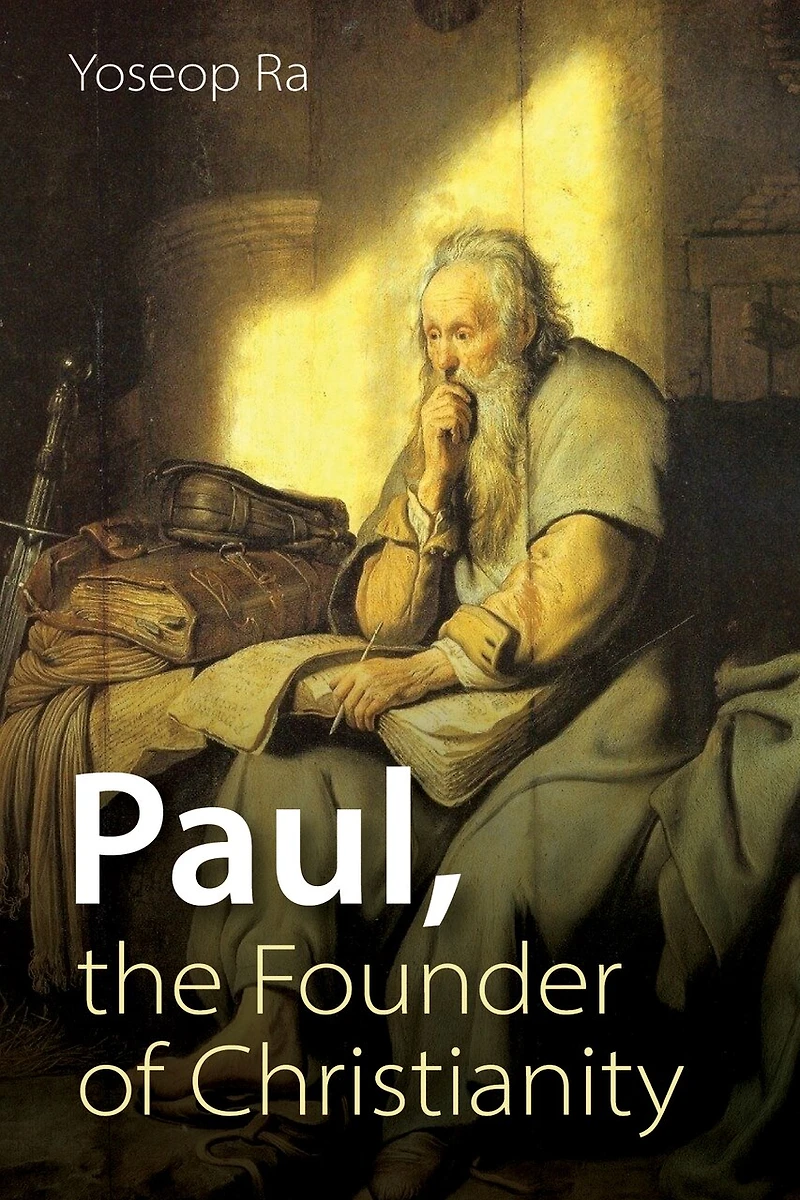
Paul, the Founder of Christianity
Current price: $33.59
Original price: $41.99

Paul, the Founder of Christianity
Current price: $33.59
Original price: $41.99
Loading Inventory...
Size: Kobo eBook
*Product information may vary - to confirm product availability, pricing, shipping and return information please contact Indigo
Although many scholars have studied Paul's theology, they have not provided satisfactory interpretation. This is because his genuine epistles were studied as they have been left in the New Testament. Rather, from a redactional point of view, Paul, the Founder of Christianity approaches Paul's seven epistles: Romans, 1 Corinthians, 2 Corinthians, Galatians, Philippians, 1 Thessalonians, and Philemon. The book reconstructs his life and uncovers the compilation of sixteen short letters into seven epistles. Accordingly, these can be divided according to the chronological order of composition. When the transformation of Paul's theology is traced, one can see a progressive development of Christology, the death of Jesus Christ, redemption and salvation, the Law, the end of world, the spirit of God, and the church of God. As a result, it can be argued that after the Antioch incident, Paul had conflict with the apostles of Jerusalem and founded Christianity for gentiles--an argument that is presented in detail based on the evidence found in Paul's sixteen letters.
Although many scholars have studied Paul's theology, they have not provided satisfactory interpretation. This is because his genuine epistles were studied as they have been left in the New Testament. Rather, from a redactional point of view, Paul, the Founder of Christianity approaches Paul's seven epistles: Romans, 1 Corinthians, 2 Corinthians, Galatians, Philippians, 1 Thessalonians, and Philemon. The book reconstructs his life and uncovers the compilation of sixteen short letters into seven epistles. Accordingly, these can be divided according to the chronological order of composition. When the transformation of Paul's theology is traced, one can see a progressive development of Christology, the death of Jesus Christ, redemption and salvation, the Law, the end of world, the spirit of God, and the church of God. As a result, it can be argued that after the Antioch incident, Paul had conflict with the apostles of Jerusalem and founded Christianity for gentiles--an argument that is presented in detail based on the evidence found in Paul's sixteen letters.
You May Also Like









More About Indigo at Erin Mills Town Centre
The largest book retailer in Canada also offers toys, music, home décor, gifts and lifestyle products. What's Inside...Books, Magazines, CD’s and DVD’s, Toys and Gifts, Home Accents, Electronics, Baby’s and Children’s Section, Bath and Body, Kitchen and Bedroom, Stationary Located outside in the exterior plaza.
5015 Glen Erin Dr, Mississauga, ON L5M 0R7, Canada
Find Indigo at Erin Mills Town Centre in Mississauga ON
Visit Indigo at Erin Mills Town Centre in Mississauga ON