

GIVE THE PERFECT GIFT
Erin Mills Town Centre Gift Cards are the perfect choice for your gift giving needs.Purchase gift cards at kiosks near the food court or centre court, at Guest Services, or click below to purchase online.PURCHASE HEREHome
Peace and Conflict in Ladakh: The Construction of a Fragile Web of Order
Indigo
Loading Inventory...
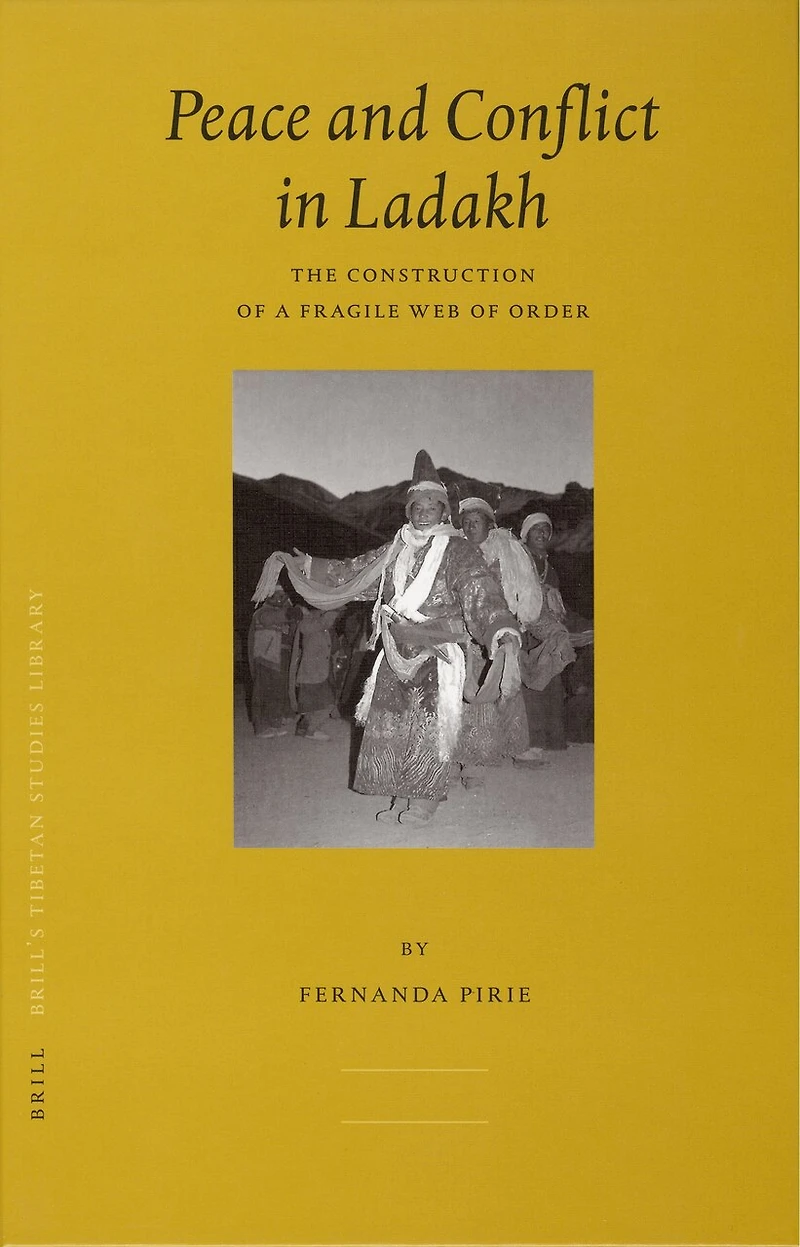
Peace and Conflict in Ladakh: The Construction of a Fragile Web of Order
Current price: $249.99

Peace and Conflict in Ladakh: The Construction of a Fragile Web of Order
Current price: $249.99
Loading Inventory...
Size: Hardcover
*Product information may vary - to confirm product availability, pricing, shipping and return information please contact Indigo
Long caught between powerful neighbours, Ladakh is now a border region in the vast Indian nation state. In this detailed, anthropological study Fernanda Pirie traces the ways order has been created by, but also despite and in defiance of, the powerful external forces of religion, war, politics and wealth.
Gradually a clear analysis unfolds of the subtle dynamics that have long characterised relations between local communities and centres of power and which can successfully be applied to the wider region. This exemplary study of conflict resolution brings to light the means by which small communities, both rural and urban, negotiate peace amidst the heterogeneous forces of modernity, while at the same time critically re-examining theories that over-emphasize the explanatory power of Buddhism.
This rich ethnographic account of local practices fills a conspicuous gap in secondary literature on Tibetan law.
Long caught between powerful neighbours, Ladakh is now a border region in the vast Indian nation state. In this detailed, anthropological study Fernanda Pirie traces the ways order has been created by, but also despite and in defiance of, the powerful external forces of religion, war, politics and wealth.
Gradually a clear analysis unfolds of the subtle dynamics that have long characterised relations between local communities and centres of power and which can successfully be applied to the wider region. This exemplary study of conflict resolution brings to light the means by which small communities, both rural and urban, negotiate peace amidst the heterogeneous forces of modernity, while at the same time critically re-examining theories that over-emphasize the explanatory power of Buddhism.
This rich ethnographic account of local practices fills a conspicuous gap in secondary literature on Tibetan law.
You May Also Like









More About Indigo at Erin Mills Town Centre
The largest book retailer in Canada also offers toys, music, home décor, gifts and lifestyle products. What's Inside...Books, Magazines, CD’s and DVD’s, Toys and Gifts, Home Accents, Electronics, Baby’s and Children’s Section, Bath and Body, Kitchen and Bedroom, Stationary Located outside in the exterior plaza.
5015 Glen Erin Dr, Mississauga, ON L5M 0R7, Canada
Find Indigo at Erin Mills Town Centre in Mississauga ON
Visit Indigo at Erin Mills Town Centre in Mississauga ON