

GIVE THE PERFECT GIFT
Erin Mills Town Centre Gift Cards are the perfect choice for your gift giving needs.Purchase gift cards at kiosks near the food court or centre court, at Guest Services, or click below to purchase online.PURCHASE HEREHome
Peace, Poverty and Betrayal: A New History of British India
Indigo
Loading Inventory...
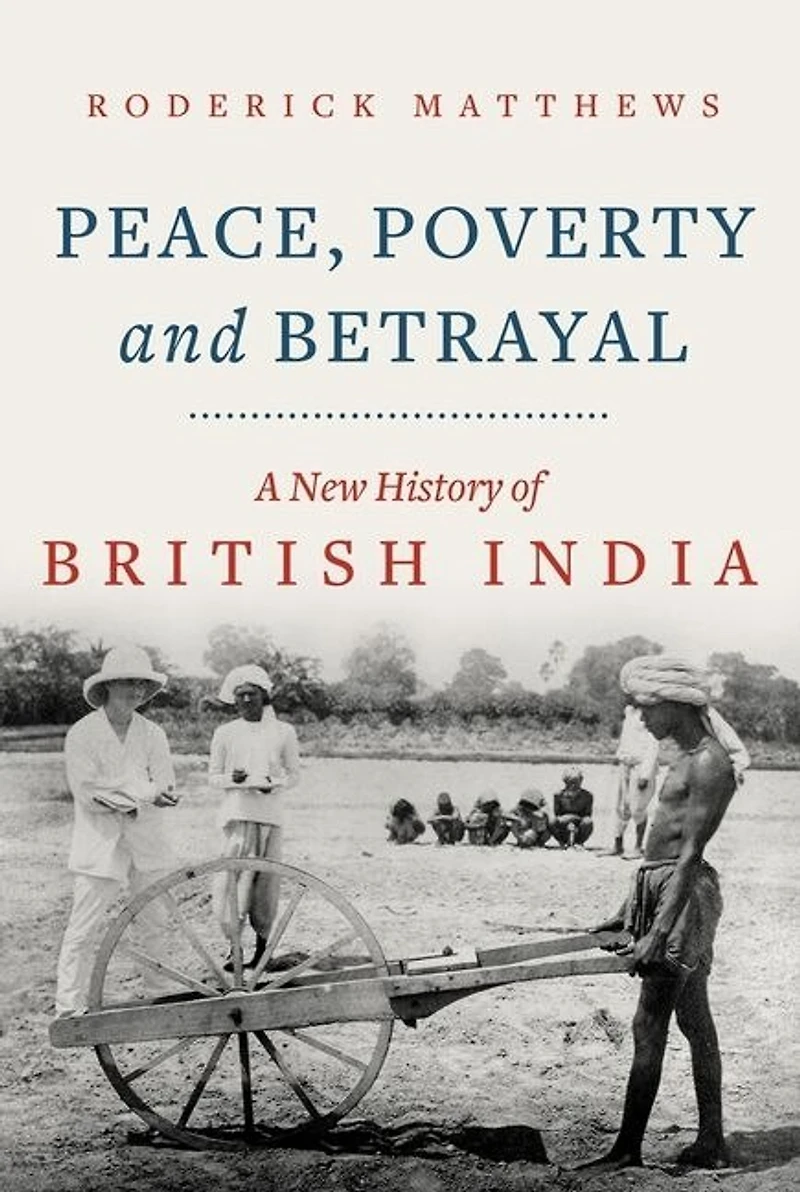
Peace, Poverty and Betrayal: A New History of British India
Current price: $42.50

Peace, Poverty and Betrayal: A New History of British India
Current price: $42.50
Loading Inventory...
Size: Hardcover
*Product information may vary - to confirm product availability, pricing, shipping and return information please contact Indigo
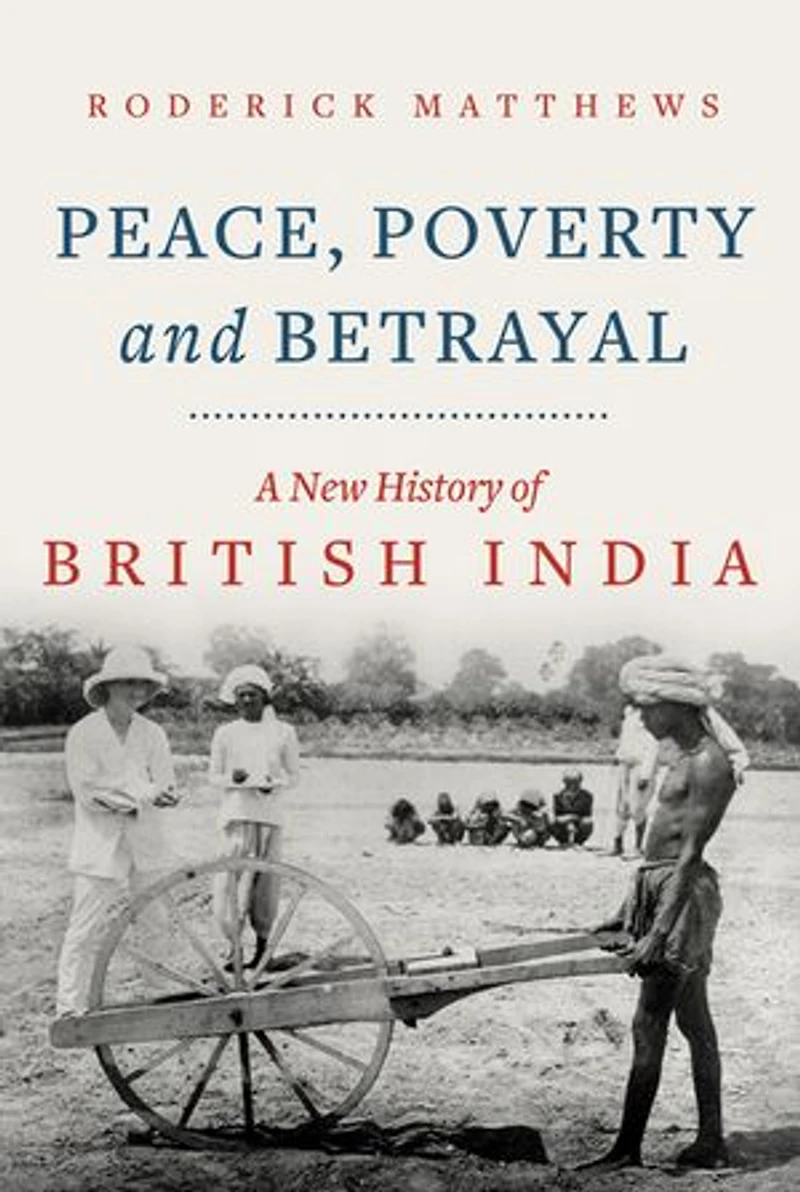
How can we explain the establishment and longevity of British rule in India without recourse to the clichés of "imperial" versus "nationalist" interpretations? In this new history, Roderick Matthews offers a more nuanced view: one of "oblige and rule", the foundation of common purpose between colonizers and powerful Indians.
Peace, Poverty and Betrayal argues that this was not a uniformly systematic approach, but rather a state of being: the British were never clear or consistent in their policies, and among British and Indians alike there were both progressive and conservative attitudes to the struggle over colonization. Matthews' narrative also takes in the East India Company, which was manifestly incompetent as a ruler by 1770, yet after 1820 arguably became the world's first liberal government. Skillfully tying these ambiguities and complexities of British rule in India to the ultimate struggle for independence, Matthews illustrates that the very diversity of British- Indian relations was at the heart of the social changes that would lead to the Freedom Struggle of the twentieth century.
Skewering the simplistic binaries that often dominate the debate, Peace, Poverty and Betrayal is a fresh and gracefully written narrative history of British India.
How can we explain the establishment and longevity of British rule in India without recourse to the clichés of "imperial" versus "nationalist" interpretations? In this new history, Roderick Matthews offers a more nuanced view: one of "oblige and rule", the foundation of common purpose between colonizers and powerful Indians.
Peace, Poverty and Betrayal argues that this was not a uniformly systematic approach, but rather a state of being: the British were never clear or consistent in their policies, and among British and Indians alike there were both progressive and conservative attitudes to the struggle over colonization. Matthews' narrative also takes in the East India Company, which was manifestly incompetent as a ruler by 1770, yet after 1820 arguably became the world's first liberal government. Skillfully tying these ambiguities and complexities of British rule in India to the ultimate struggle for independence, Matthews illustrates that the very diversity of British- Indian relations was at the heart of the social changes that would lead to the Freedom Struggle of the twentieth century.
Skewering the simplistic binaries that often dominate the debate, Peace, Poverty and Betrayal is a fresh and gracefully written narrative history of British India.
You May Also Like







More About Indigo at Erin Mills Town Centre
The largest book retailer in Canada also offers toys, music, home décor, gifts and lifestyle products. What's Inside...Books, Magazines, CD’s and DVD’s, Toys and Gifts, Home Accents, Electronics, Baby’s and Children’s Section, Bath and Body, Kitchen and Bedroom, Stationary Located outside in the exterior plaza.
5015 Glen Erin Dr, Mississauga, ON L5M 0R7, Canada
Find Indigo at Erin Mills Town Centre in Mississauga ON
Visit Indigo at Erin Mills Town Centre in Mississauga ON