

GIVE THE PERFECT GIFT
Erin Mills Town Centre Gift Cards are the perfect choice for your gift giving needs.Purchase gift cards at kiosks near the food court or centre court, at Guest Services, or click below to purchase online.PURCHASE HEREHome
Peace through Self-Determination: Success and Failure of Territorial Autonomy
Indigo
Loading Inventory...
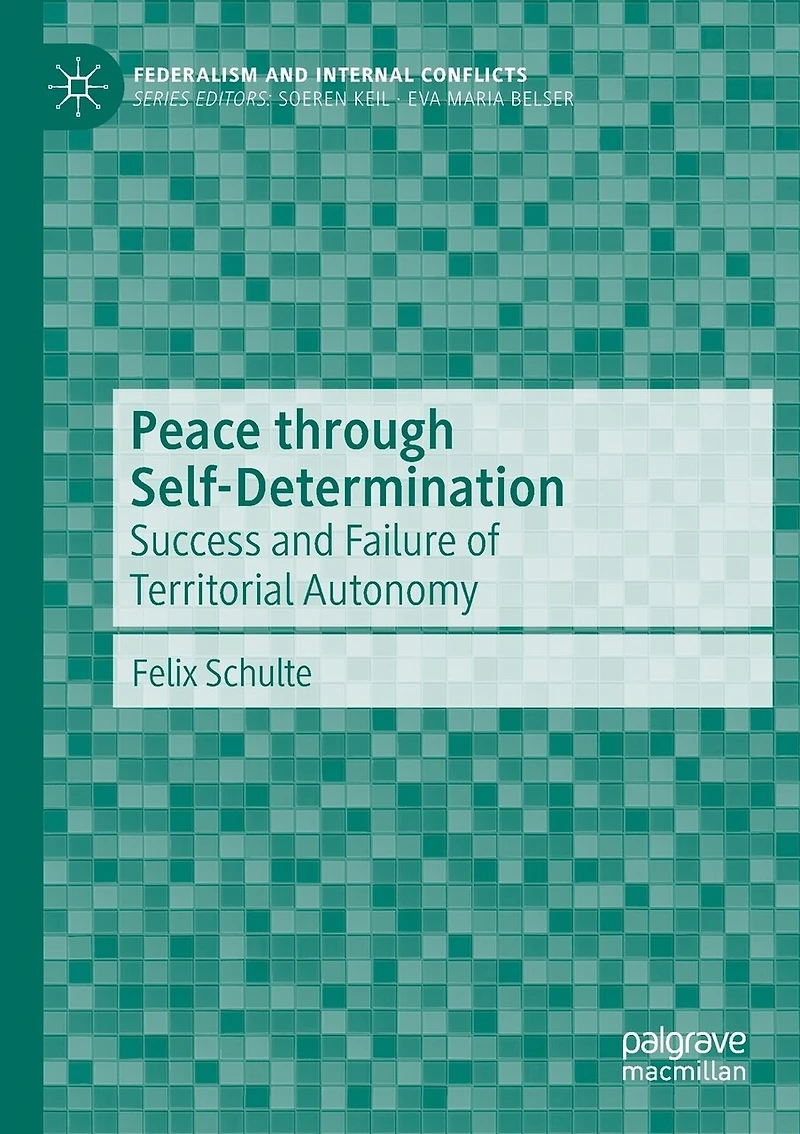
Peace through Self-Determination: Success and Failure of Territorial Autonomy
Current price: $80.50

Peace through Self-Determination: Success and Failure of Territorial Autonomy
Current price: $80.50
Loading Inventory...
Size: Paperback
*Product information may vary - to confirm product availability, pricing, shipping and return information please contact Indigo
Bringing together comparative politics, conflict research and social psychology, this book presents a novel theory to explain the consolidation outcomes of post-conflict autonomy arrangements. It builds on Social Identity Theory and identifies a successful process of ethnic recognition as the key prerequisite for peaceful interethnic cohabitation through territorial self-governance. As this process is highly context-dependent, the study identifies relevant structural and actor-centered factors and analyzes their occurrence in the consolidation periods of nineteen autonomy arrangements worldwide using Qualitative Comparative Analysis (QCA). The author concludes that elites accept autonomy reforms if they promise a high degree of self-determination and, at the same time, ethnic recognition is not hindered by horizontal inequalities. Bargaining efforts succeed within inclusive institutions involving non-nationalist parties and international organizations. Autonomy reforms fail if thedegree of self-rule offered is too low and strong inequalities generate new grievances. Autocratic rule, nationalist parties, and a lack of international attention provide a breeding ground for further centrifugal activities. In-depth case studies on South Tyrol and the Chittagong Hill Tracts provide further evidence for the theoretical models.
Bringing together comparative politics, conflict research and social psychology, this book presents a novel theory to explain the consolidation outcomes of post-conflict autonomy arrangements. It builds on Social Identity Theory and identifies a successful process of ethnic recognition as the key prerequisite for peaceful interethnic cohabitation through territorial self-governance. As this process is highly context-dependent, the study identifies relevant structural and actor-centered factors and analyzes their occurrence in the consolidation periods of nineteen autonomy arrangements worldwide using Qualitative Comparative Analysis (QCA). The author concludes that elites accept autonomy reforms if they promise a high degree of self-determination and, at the same time, ethnic recognition is not hindered by horizontal inequalities. Bargaining efforts succeed within inclusive institutions involving non-nationalist parties and international organizations. Autonomy reforms fail if thedegree of self-rule offered is too low and strong inequalities generate new grievances. Autocratic rule, nationalist parties, and a lack of international attention provide a breeding ground for further centrifugal activities. In-depth case studies on South Tyrol and the Chittagong Hill Tracts provide further evidence for the theoretical models.
You May Also Like














More About Indigo at Erin Mills Town Centre
The largest book retailer in Canada also offers toys, music, home décor, gifts and lifestyle products. What's Inside...Books, Magazines, CD’s and DVD’s, Toys and Gifts, Home Accents, Electronics, Baby’s and Children’s Section, Bath and Body, Kitchen and Bedroom, Stationary Located outside in the exterior plaza.
5015 Glen Erin Dr, Mississauga, ON L5M 0R7, Canada
Find Indigo at Erin Mills Town Centre in Mississauga ON
Visit Indigo at Erin Mills Town Centre in Mississauga ON