

GIVE THE PERFECT GIFT
Erin Mills Town Centre Gift Cards are the perfect choice for your gift giving needs.Purchase gift cards at kiosks near the food court or centre court, at Guest Services, or click below to purchase online.PURCHASE HEREHome
Perceptions and Representations of the Malagasy Environment Across Cultures
Indigo
Loading Inventory...
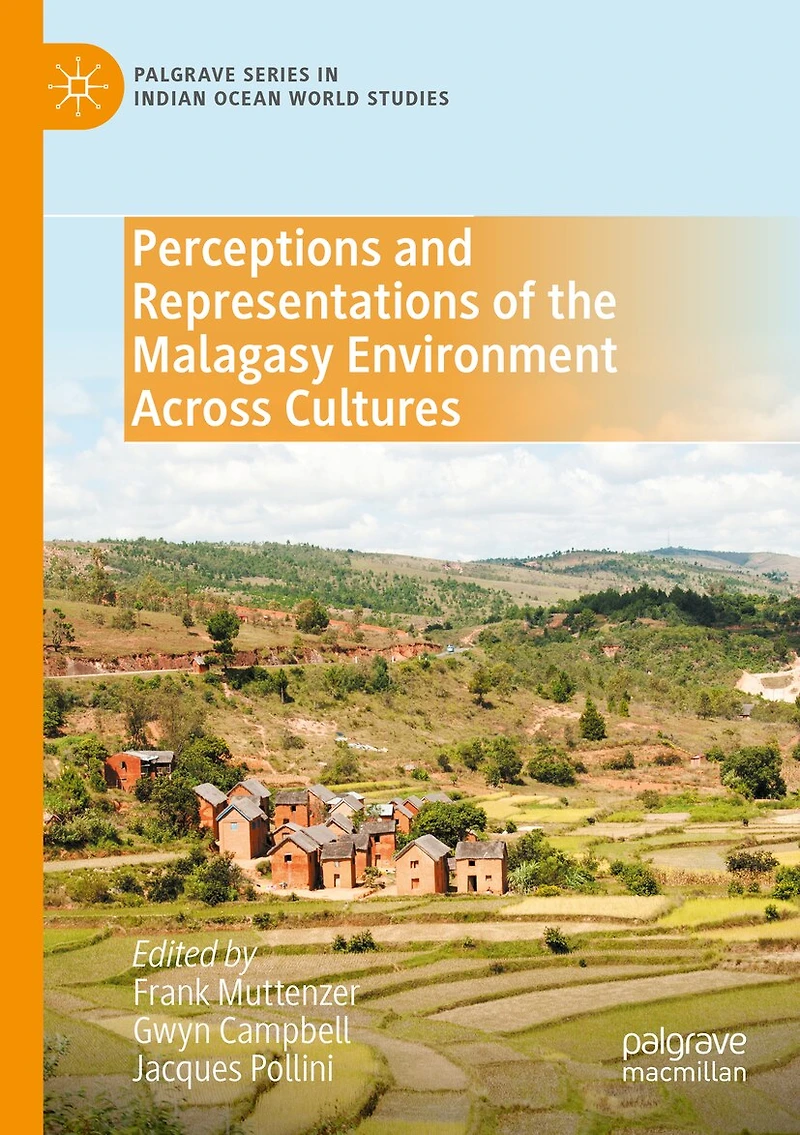
Perceptions and Representations of the Malagasy Environment Across Cultures
Current price: $204.50

Perceptions and Representations of the Malagasy Environment Across Cultures
Current price: $204.50
Loading Inventory...
Size: Paperback
*Product information may vary - to confirm product availability, pricing, shipping and return information please contact Indigo
This book examines the history and impact of environmental change in Madagascar. Drawing on interdisciplinary, ethnographic methodologies, the book presents local and global perspectives on current environmental changes and their drivers, from mining to development and deforestation. The book emphasizes the embeddedness of Malagasy peoples' social relationships with the natural environment, and contrasts this with the way the Malagasy environment is viewed by international conservation organizations. Through the presentation of concrete case studies, the contributors assess the current controversy over the history and nature of human impact on the environment in Madagascar, and offer innovatory insights into how these controversies, which plague current policy making, can be settled.
This book examines the history and impact of environmental change in Madagascar. Drawing on interdisciplinary, ethnographic methodologies, the book presents local and global perspectives on current environmental changes and their drivers, from mining to development and deforestation. The book emphasizes the embeddedness of Malagasy peoples' social relationships with the natural environment, and contrasts this with the way the Malagasy environment is viewed by international conservation organizations. Through the presentation of concrete case studies, the contributors assess the current controversy over the history and nature of human impact on the environment in Madagascar, and offer innovatory insights into how these controversies, which plague current policy making, can be settled.
You May Also Like











More About Indigo at Erin Mills Town Centre
The largest book retailer in Canada also offers toys, music, home décor, gifts and lifestyle products. What's Inside...Books, Magazines, CD’s and DVD’s, Toys and Gifts, Home Accents, Electronics, Baby’s and Children’s Section, Bath and Body, Kitchen and Bedroom, Stationary Located outside in the exterior plaza.
5015 Glen Erin Dr, Mississauga, ON L5M 0R7, Canada
Find Indigo at Erin Mills Town Centre in Mississauga ON
Visit Indigo at Erin Mills Town Centre in Mississauga ON