

GIVE THE PERFECT GIFT
Erin Mills Town Centre Gift Cards are the perfect choice for your gift giving needs.Purchase gift cards at kiosks near the food court or centre court, at Guest Services, or click below to purchase online.PURCHASE HEREHome
Performing Censorship: The Russian Case
Indigo
Loading Inventory...
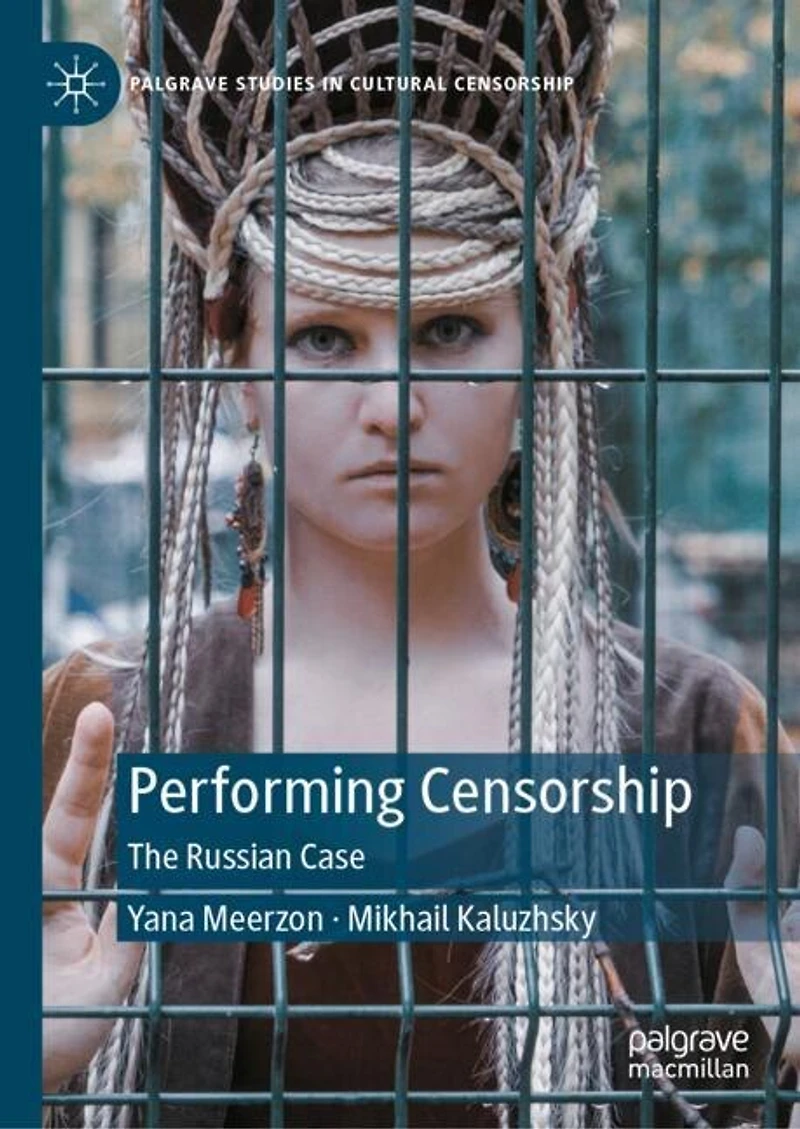
Performing Censorship: The Russian Case
Current price: $189.95

Performing Censorship: The Russian Case
Current price: $189.95
Loading Inventory...
Size: Hardcover
*Product information may vary - to confirm product availability, pricing, shipping and return information please contact Indigo
The Russian Constitution guarantees freedom of thought, expression, and information to every citizen, prohibiting propaganda that incites social, racial, or religious hatred, and forbidding censorship. However, the reality in Russia is starkly different: censorship has long been a tool for political control, particularly since the end of the 18th century. With the war in Ukraine, these evolving mechanisms of censorship have become a penal system for retribution and control over personal freedoms. This book examines this critical moment, while highlighting that censorship in Russia predates Putin's regime. It explores both external and internal forms of censorship, including the actions of individual artists and state-sanctioned protests by far-right groups. Additionally, it looks at the closure of theatre companies due to allegations of mismanaging state funds. The book provides a comprehensive analysis of how state-driven censorship functions within Russian theatre in the 21st century.
The Russian Constitution guarantees freedom of thought, expression, and information to every citizen, prohibiting propaganda that incites social, racial, or religious hatred, and forbidding censorship. However, the reality in Russia is starkly different: censorship has long been a tool for political control, particularly since the end of the 18th century. With the war in Ukraine, these evolving mechanisms of censorship have become a penal system for retribution and control over personal freedoms. This book examines this critical moment, while highlighting that censorship in Russia predates Putin's regime. It explores both external and internal forms of censorship, including the actions of individual artists and state-sanctioned protests by far-right groups. Additionally, it looks at the closure of theatre companies due to allegations of mismanaging state funds. The book provides a comprehensive analysis of how state-driven censorship functions within Russian theatre in the 21st century.
You May Also Like







More About Indigo at Erin Mills Town Centre
The largest book retailer in Canada also offers toys, music, home décor, gifts and lifestyle products. What's Inside...Books, Magazines, CD’s and DVD’s, Toys and Gifts, Home Accents, Electronics, Baby’s and Children’s Section, Bath and Body, Kitchen and Bedroom, Stationary Located outside in the exterior plaza.
5015 Glen Erin Dr, Mississauga, ON L5M 0R7, Canada
Find Indigo at Erin Mills Town Centre in Mississauga ON
Visit Indigo at Erin Mills Town Centre in Mississauga ON