

GIVE THE PERFECT GIFT
Erin Mills Town Centre Gift Cards are the perfect choice for your gift giving needs.Purchase gift cards at kiosks near the food court or centre court, at Guest Services, or click below to purchase online.PURCHASE HEREHome
Performing Memories and Weaving Archives:: Creolized Cultures across the Indian Ocean
Indigo
Loading Inventory...
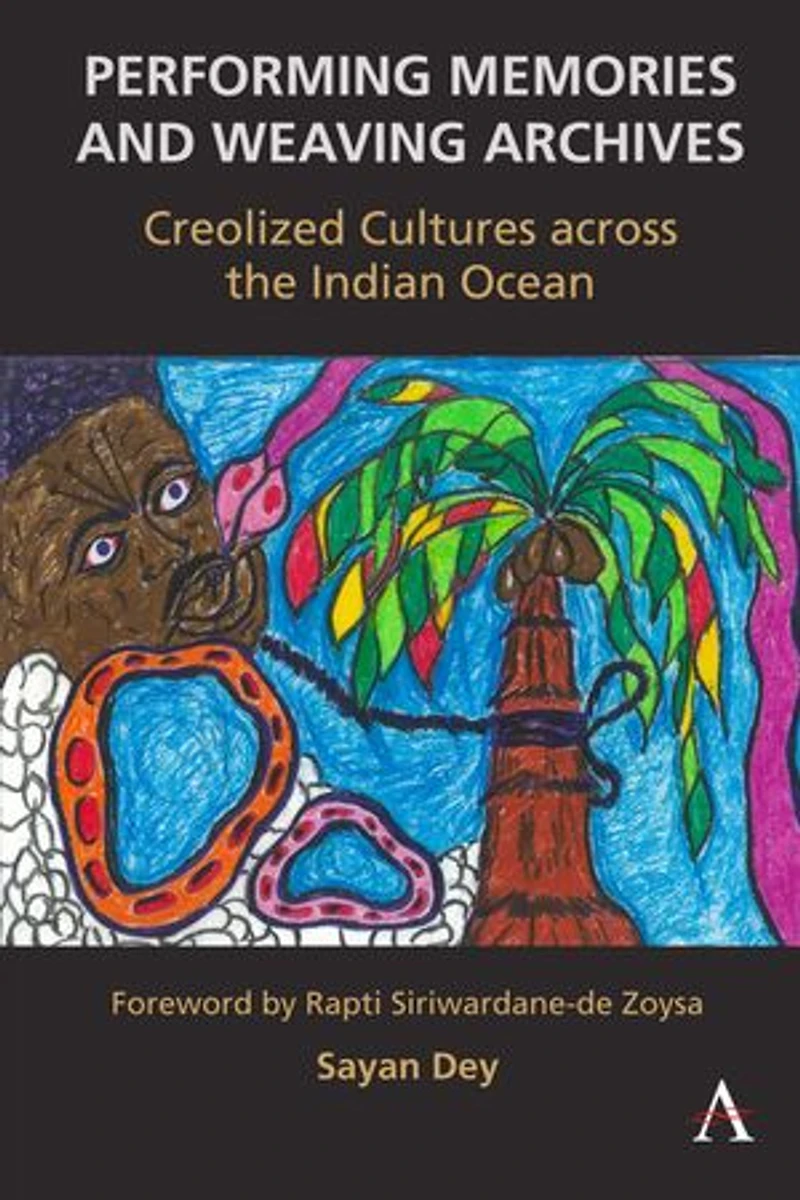
Performing Memories and Weaving Archives:: Creolized Cultures across the Indian Ocean
Current price: $25.89
Original price: $32.30

Performing Memories and Weaving Archives:: Creolized Cultures across the Indian Ocean
Current price: $25.89
Original price: $32.30
Loading Inventory...
Size: Kobo eBook
*Product information may vary - to confirm product availability, pricing, shipping and return information please contact Indigo
Usually, discourses on the planetary evolution and the movements of slaves remain restricted within the narratives and scholarships of the Trans-Atlantic slave trade and hardly engage with the evolution, movements, and shifts about the Indian Ocean World (IOW) slave trade. But multiple published, unpublished, authored, and non-authored historical documents like the historical records of Greco-Egyptian monk Cosmos Indicopleustes (sixthcentury BC), the Periplus of the Erythrean Sea (firstcentury CE), the travelogues of Ibn Battuta (fourteenthcentury), historical records of Tome Pires (sixteenthcentury), accounts of British historians William Hawkins and Sir Thomas Roe (seventeenthcentury), accounts of French historian Abbe Carre (seventeenthcentury), accounts of French Lieutenant de Grandpre (nineteenthcentury), and many more mention about the trade relations between India and different parts for Africa. The items of trade involved exotic stones, exotic spices, domestic objects, and local people.
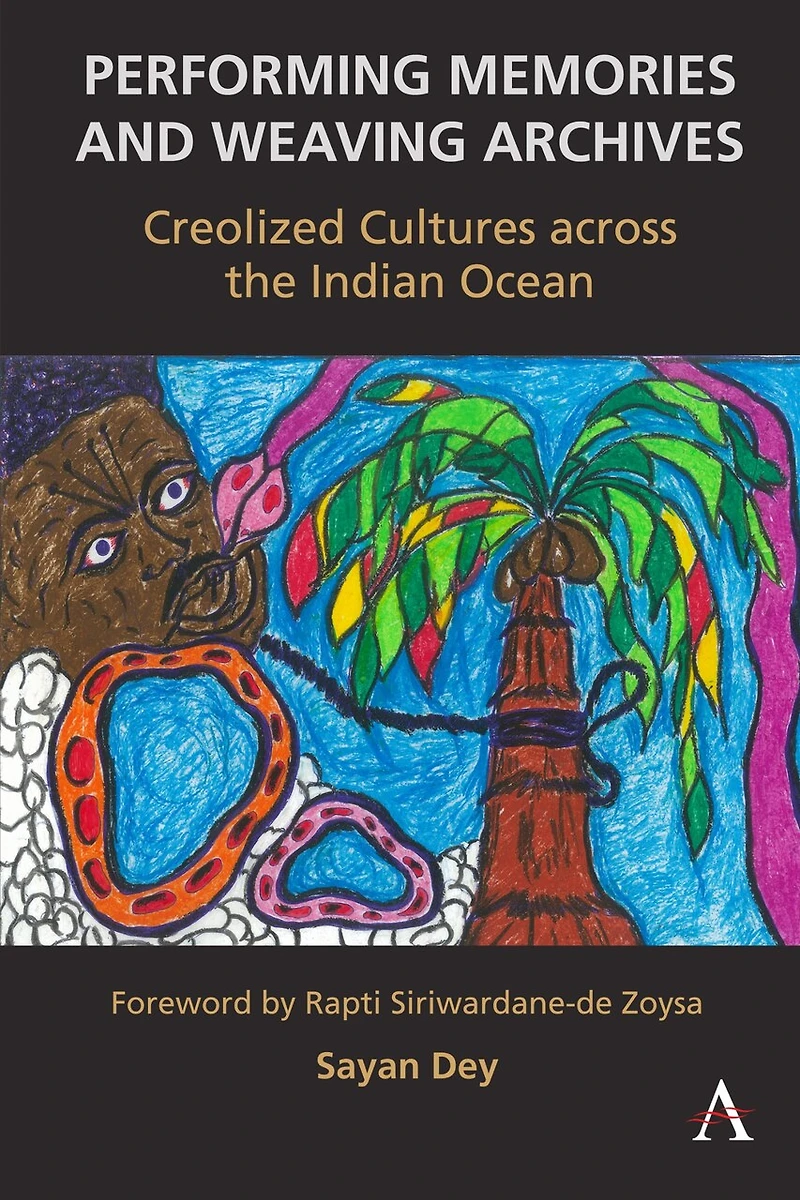
Despite the existence of these diverse archival documents on the IOW trade activities, any discourses on the IOW continue to remain an understatement. The narratives on the IOW, to a vast extent, have been shaped by Western/colonial historians, who have imaginatively constructed the IOW within separate geographical, cultural, epistemological, and ontological enclaves. Based on these socio-historical arguments, this book unearths how Siddis in Gujarat and the South African Indians in South Africa preserve their ancestral memories through spiritual, culinary, and musical practices on the one side, and generate creolized socio-cultural spaces of collective decolonial resistance and well-being on the other.
Usually, discourses on the planetary evolution and the movements of slaves remain restricted within the narratives and scholarships of the Trans-Atlantic slave trade and hardly engage with the evolution, movements, and shifts about the Indian Ocean World (IOW) slave trade. But multiple published, unpublished, authored, and non-authored historical documents like the historical records of Greco-Egyptian monk Cosmos Indicopleustes (sixthcentury BC), the Periplus of the Erythrean Sea (firstcentury CE), the travelogues of Ibn Battuta (fourteenthcentury), historical records of Tome Pires (sixteenthcentury), accounts of British historians William Hawkins and Sir Thomas Roe (seventeenthcentury), accounts of French historian Abbe Carre (seventeenthcentury), accounts of French Lieutenant de Grandpre (nineteenthcentury), and many more mention about the trade relations between India and different parts for Africa. The items of trade involved exotic stones, exotic spices, domestic objects, and local people.
Despite the existence of these diverse archival documents on the IOW trade activities, any discourses on the IOW continue to remain an understatement. The narratives on the IOW, to a vast extent, have been shaped by Western/colonial historians, who have imaginatively constructed the IOW within separate geographical, cultural, epistemological, and ontological enclaves. Based on these socio-historical arguments, this book unearths how Siddis in Gujarat and the South African Indians in South Africa preserve their ancestral memories through spiritual, culinary, and musical practices on the one side, and generate creolized socio-cultural spaces of collective decolonial resistance and well-being on the other.
You May Also Like








More About Indigo at Erin Mills Town Centre
The largest book retailer in Canada also offers toys, music, home décor, gifts and lifestyle products. What's Inside...Books, Magazines, CD’s and DVD’s, Toys and Gifts, Home Accents, Electronics, Baby’s and Children’s Section, Bath and Body, Kitchen and Bedroom, Stationary Located outside in the exterior plaza.
5015 Glen Erin Dr, Mississauga, ON L5M 0R7, Canada
Find Indigo at Erin Mills Town Centre in Mississauga ON
Visit Indigo at Erin Mills Town Centre in Mississauga ON