

GIVE THE PERFECT GIFT
Erin Mills Town Centre Gift Cards are the perfect choice for your gift giving needs.Purchase gift cards at kiosks near the food court or centre court, at Guest Services, or click below to purchase online.PURCHASE HEREHome
Perverse Cities: Hidden Subsidies, Wonky Policy, and Urban Sprawl
Indigo
Loading Inventory...
Perverse Cities: Hidden Subsidies, Wonky Policy, and Urban Sprawl
Current price: $95.00

Perverse Cities: Hidden Subsidies, Wonky Policy, and Urban Sprawl
Current price: $95.00
Loading Inventory...
Size: Hardcover
*Product information may vary - to confirm product availability, pricing, shipping and return information please contact Indigo
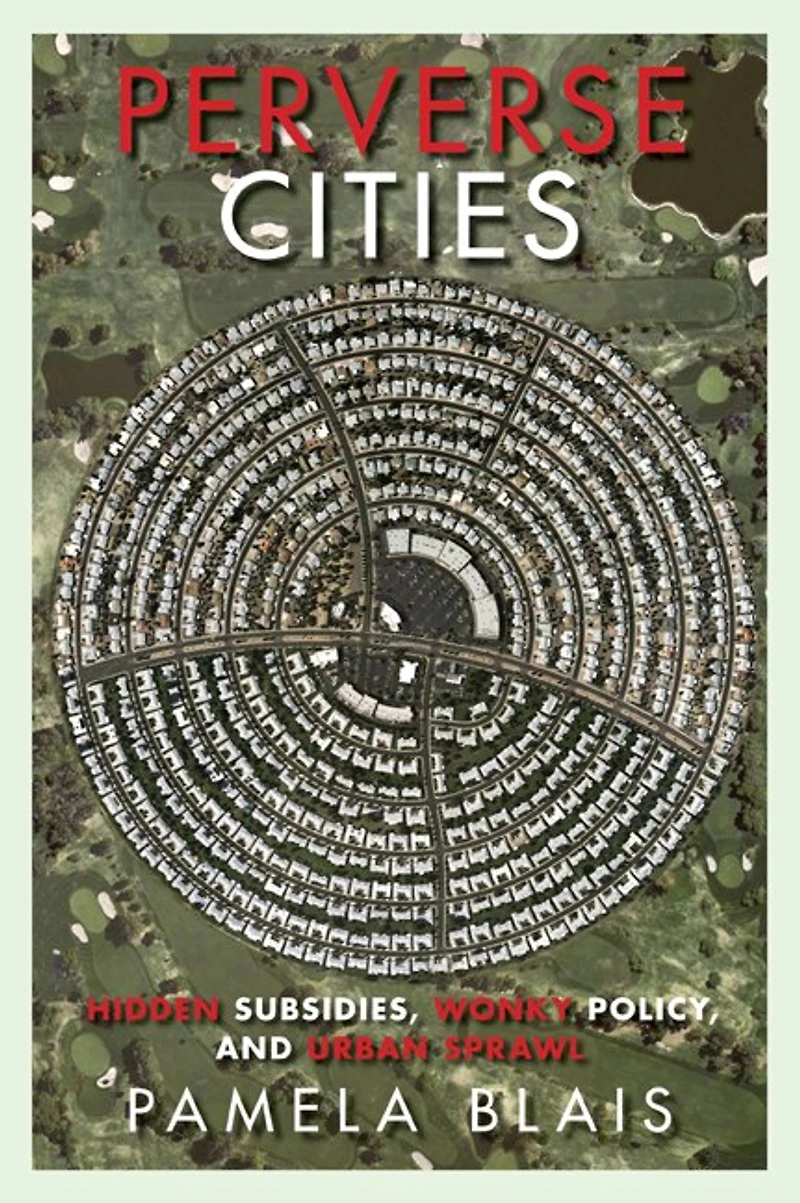
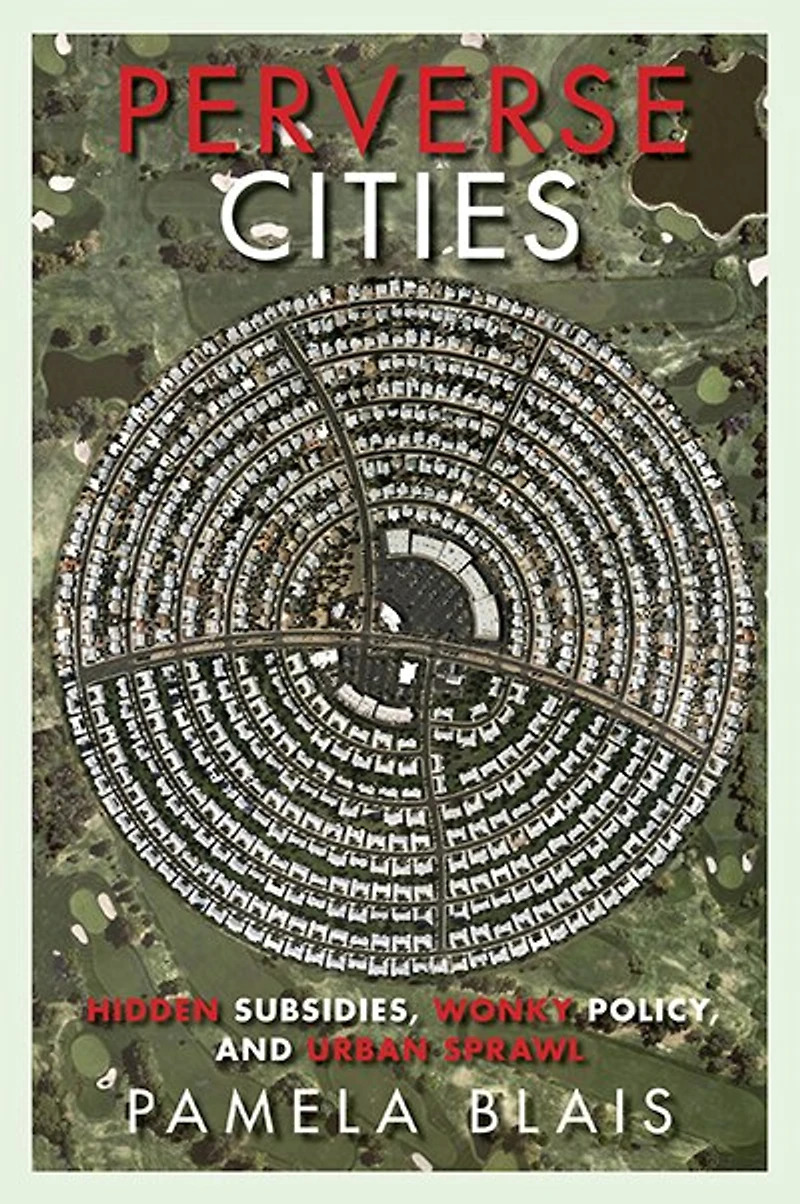
Urban sprawl – low-density subdivisions and business parks, big box stores and mega-malls – has increasingly come to define city growth despite decades of planning and policy. Most urbanists view sprawl as an expensive and unsustainable pattern of development. Yet a few defend it as simply a reflection of consumers’ lifestyle preferences.
In Perverse Cities , Pamela Blais argues that both views fail to recognize the market distortions and flawed policy that drive sprawl. Crude public policies and mis-pricing create hidden, “perverse” subsidies and incentives that promote sprawl while discouraging more efficient and sustainable urban forms – clearly not what most planners and environmentalists have in mind. Blais makes the case that accurate pricing and better policy are fundamental to curbing urban sprawl and shows how this can be achieved in practice through a range of market-oriented tools that promote efficient, sustainable cities.
Urban sprawl – low-density subdivisions and business parks, big box stores and mega-malls – has increasingly come to define city growth despite decades of planning and policy. Most urbanists view sprawl as an expensive and unsustainable pattern of development. Yet a few defend it as simply a reflection of consumers’ lifestyle preferences.
In Perverse Cities , Pamela Blais argues that both views fail to recognize the market distortions and flawed policy that drive sprawl. Crude public policies and mis-pricing create hidden, “perverse” subsidies and incentives that promote sprawl while discouraging more efficient and sustainable urban forms – clearly not what most planners and environmentalists have in mind. Blais makes the case that accurate pricing and better policy are fundamental to curbing urban sprawl and shows how this can be achieved in practice through a range of market-oriented tools that promote efficient, sustainable cities.
You May Also Like









More About Indigo at Erin Mills Town Centre
The largest book retailer in Canada also offers toys, music, home décor, gifts and lifestyle products. What's Inside...Books, Magazines, CD’s and DVD’s, Toys and Gifts, Home Accents, Electronics, Baby’s and Children’s Section, Bath and Body, Kitchen and Bedroom, Stationary Located outside in the exterior plaza.
5015 Glen Erin Dr, Mississauga, ON L5M 0R7, Canada
Find Indigo at Erin Mills Town Centre in Mississauga ON
Visit Indigo at Erin Mills Town Centre in Mississauga ON