

GIVE THE PERFECT GIFT
Erin Mills Town Centre Gift Cards are the perfect choice for your gift giving needs.Purchase gift cards at kiosks near the food court or centre court, at Guest Services, or click below to purchase online.PURCHASE HEREHome
Philosophy Of Right
Indigo
Loading Inventory...
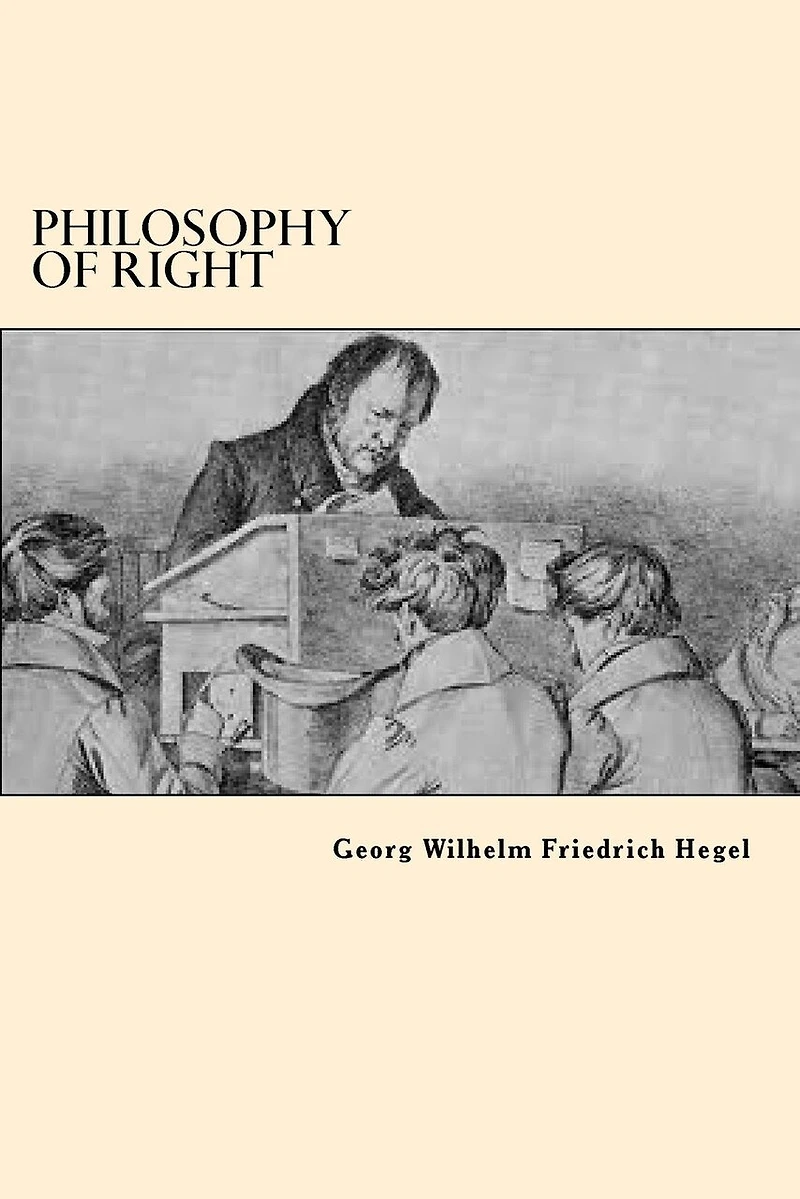
Philosophy Of Right
Current price: $12.50

Philosophy Of Right
Current price: $12.50
Loading Inventory...
Size: Paperback
*Product information may vary - to confirm product availability, pricing, shipping and return information please contact Indigo
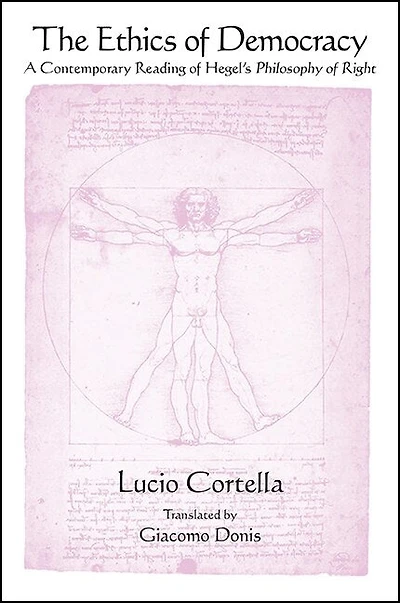
The Philosophy of Right (as it is usually called) begins with a discussion of the concept of the free will and argues that the free will can only realize itself in the complicated social context of property rights and relations, contracts, moral commitments, family life, the economy, the legal system, and the polity. A person is not truly free, in other words, unless he is a participant in all of these different aspects of the life of the state. The bulk of the book is devoted to discussing Hegel's three spheres of versions of 'right, ' each one larger than the preceding ones and encompassing them. The first sphere is abstract right (Recht), in which Hegel discusses the idea of 'non-interference' as a way of respecting others. He deems this insufficient and moves onto the second sphere, morality (Moralität). Under this, Hegel proposes that humans reflect their own subjectivity of others in order to respect them. The third sphere, ethical life (Sittlichkeit), is Hegel's integration of individual subjective feelings and universal notions of right. Under ethical life, Hegel then launches into a lengthy discussion about family, civil society, and the state.
The Philosophy of Right (as it is usually called) begins with a discussion of the concept of the free will and argues that the free will can only realize itself in the complicated social context of property rights and relations, contracts, moral commitments, family life, the economy, the legal system, and the polity. A person is not truly free, in other words, unless he is a participant in all of these different aspects of the life of the state. The bulk of the book is devoted to discussing Hegel's three spheres of versions of 'right, ' each one larger than the preceding ones and encompassing them. The first sphere is abstract right (Recht), in which Hegel discusses the idea of 'non-interference' as a way of respecting others. He deems this insufficient and moves onto the second sphere, morality (Moralität). Under this, Hegel proposes that humans reflect their own subjectivity of others in order to respect them. The third sphere, ethical life (Sittlichkeit), is Hegel's integration of individual subjective feelings and universal notions of right. Under ethical life, Hegel then launches into a lengthy discussion about family, civil society, and the state.
You May Also Like









More About Indigo at Erin Mills Town Centre
The largest book retailer in Canada also offers toys, music, home décor, gifts and lifestyle products. What's Inside...Books, Magazines, CD’s and DVD’s, Toys and Gifts, Home Accents, Electronics, Baby’s and Children’s Section, Bath and Body, Kitchen and Bedroom, Stationary Located outside in the exterior plaza.
5015 Glen Erin Dr, Mississauga, ON L5M 0R7, Canada
Find Indigo at Erin Mills Town Centre in Mississauga ON
Visit Indigo at Erin Mills Town Centre in Mississauga ON