

GIVE THE PERFECT GIFT
Erin Mills Town Centre Gift Cards are the perfect choice for your gift giving needs.Purchase gift cards at kiosks near the food court or centre court, at Guest Services, or click below to purchase online.PURCHASE HEREHome
Photography and Death
Indigo
Loading Inventory...
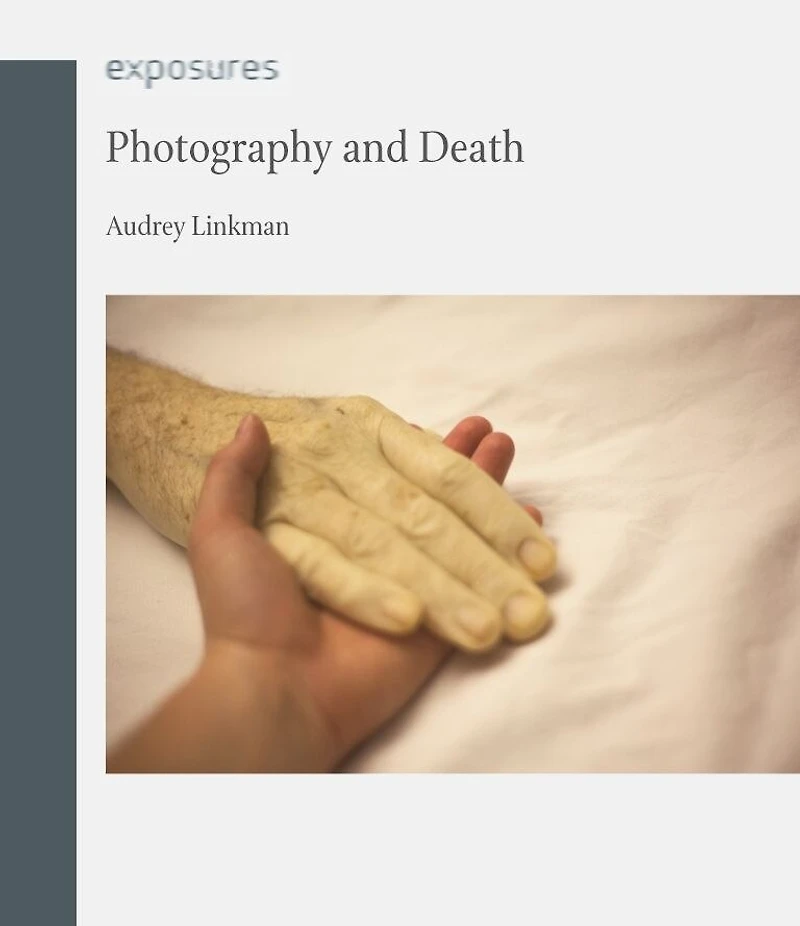
Photography and Death
Current price: $38.95

Photography and Death
Current price: $38.95
Loading Inventory...
Size: Paperback
*Product information may vary - to confirm product availability, pricing, shipping and return information please contact Indigo
The idea of photographing the dead is as old as photography itself. For the most part, early death photographs were commissioned or taken by relatives of the deceased and preserved in the home as part of the family collection. Once thought inappropriate and macabre, today these photographs are considered to have a beneficial role in bereavement therapy. Photography and Death reveals the beauty and significance of such images, formerly dismissed as disturbing or grotesque, and places them within the context of changing cultural attitudes towards death and loss. Excluding images of death through war, violence, or natural disasters, Audrey Linkman concentrates on photographs of natural deaths within the family. She identifies the range of death-related photographs that have been produced in both Europe and North America since the 1840s and charts changes in their treatment through the decades. Photography and Death will interest photo, art, and social historians and practitioners in the field of bereavement therapy, as well as those who wish to better understand the images of long-lost ancestors who gaze back from the pages of family albums.
The idea of photographing the dead is as old as photography itself. For the most part, early death photographs were commissioned or taken by relatives of the deceased and preserved in the home as part of the family collection. Once thought inappropriate and macabre, today these photographs are considered to have a beneficial role in bereavement therapy. Photography and Death reveals the beauty and significance of such images, formerly dismissed as disturbing or grotesque, and places them within the context of changing cultural attitudes towards death and loss. Excluding images of death through war, violence, or natural disasters, Audrey Linkman concentrates on photographs of natural deaths within the family. She identifies the range of death-related photographs that have been produced in both Europe and North America since the 1840s and charts changes in their treatment through the decades. Photography and Death will interest photo, art, and social historians and practitioners in the field of bereavement therapy, as well as those who wish to better understand the images of long-lost ancestors who gaze back from the pages of family albums.
You May Also Like










More About Indigo at Erin Mills Town Centre
The largest book retailer in Canada also offers toys, music, home décor, gifts and lifestyle products. What's Inside...Books, Magazines, CD’s and DVD’s, Toys and Gifts, Home Accents, Electronics, Baby’s and Children’s Section, Bath and Body, Kitchen and Bedroom, Stationary Located outside in the exterior plaza.
5015 Glen Erin Dr, Mississauga, ON L5M 0R7, Canada
Find Indigo at Erin Mills Town Centre in Mississauga ON
Visit Indigo at Erin Mills Town Centre in Mississauga ON