

GIVE THE PERFECT GIFT
Erin Mills Town Centre Gift Cards are the perfect choice for your gift giving needs.Purchase gift cards at kiosks near the food court or centre court, at Guest Services, or click below to purchase online.PURCHASE HEREHome
Physical Rehabilitation Of Paralysed Facial Muscles: Functional And Morphological Correlates
Indigo
Loading Inventory...
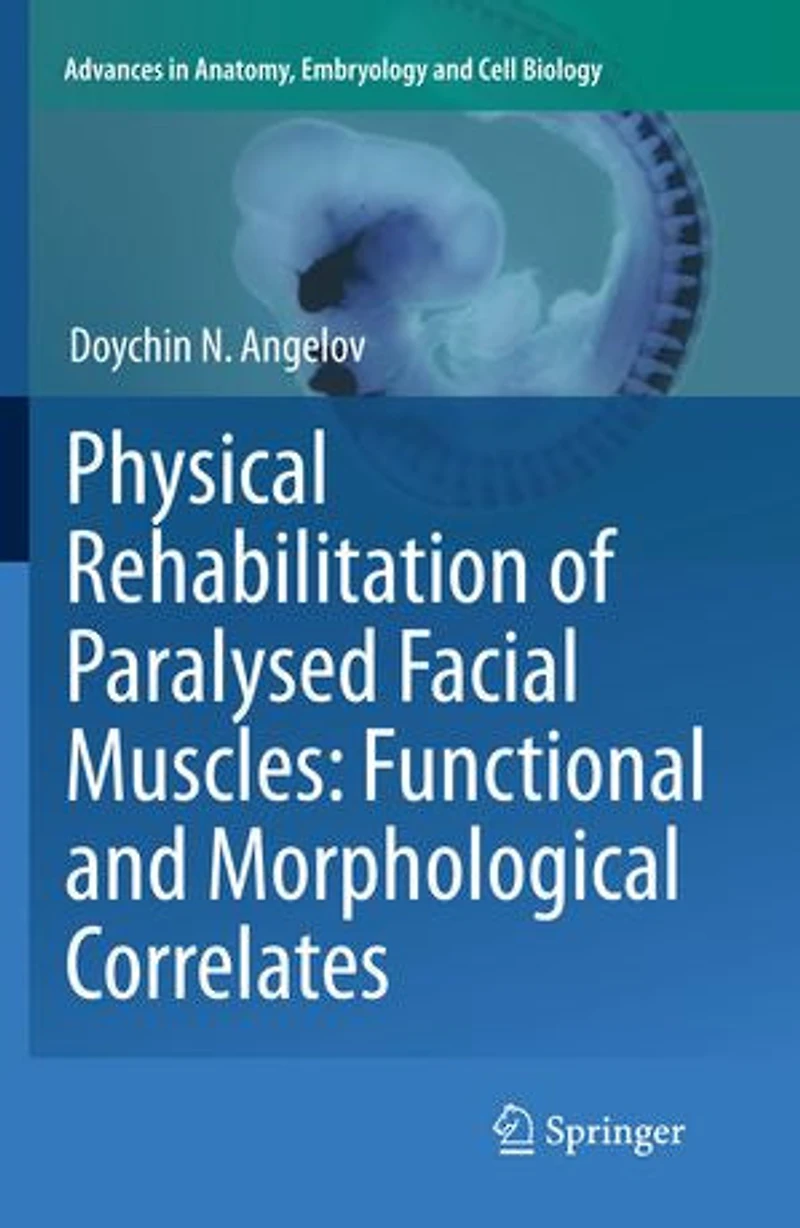
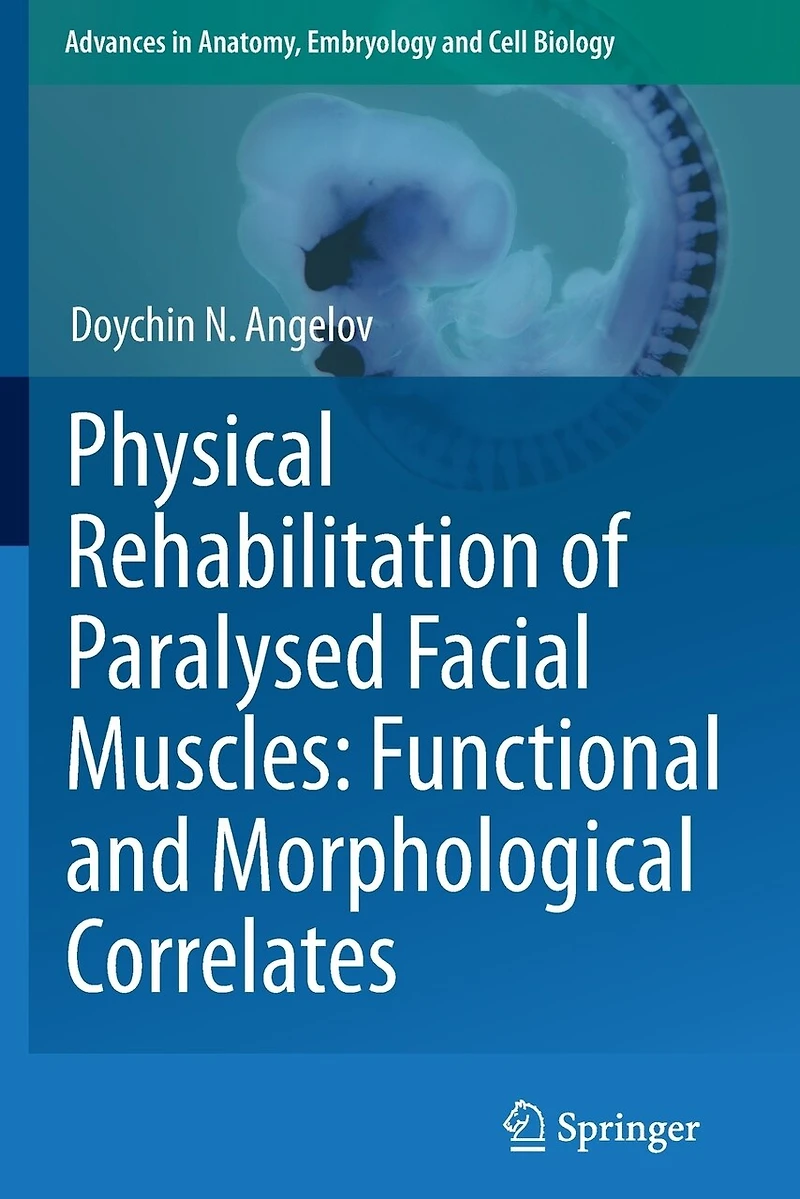
Physical Rehabilitation Of Paralysed Facial Muscles: Functional And Morphological Correlates
Current price: $193.59
Original price: $241.88

Physical Rehabilitation Of Paralysed Facial Muscles: Functional And Morphological Correlates
Current price: $193.59
Original price: $241.88
Loading Inventory...
Size: Kobo eBook
*Product information may vary - to confirm product availability, pricing, shipping and return information please contact Indigo
Using a combined morpho-functional approach the author recently found that polyinnervation of the neuro-muscular juction (NMJ) is the critical factor for recovery of function after transection and suture of the facial nerve. Since polyinnervation is activity-dependent and can be manipulated, he tried to design a clinically feasible therapy by electrical stimulation or by soft tissue massage. First, electrical stimulation was applied to the transected facial nerve or to paralysed facial muscles. Both procedures did not improve vibrissal motor performance (video-based motion analysis of whisking), failed to diminish polyinnervation and even reduced the number of innervated NMJ to one fifth of normal values. In contrast, gentle stroking of the paralysed vibrissal muscles by hand resulted in full recovery of whisking. Manual stimulation was also effective after hypoglossal-facial anastomosis and after interpositional nerve grafting. The author concludes that manual stimulation is a non-invasive procedure with immediate potential for clinical rehabilitation following facial nerve reconstruction.
Using a combined morpho-functional approach the author recently found that polyinnervation of the neuro-muscular juction (NMJ) is the critical factor for recovery of function after transection and suture of the facial nerve. Since polyinnervation is activity-dependent and can be manipulated, he tried to design a clinically feasible therapy by electrical stimulation or by soft tissue massage. First, electrical stimulation was applied to the transected facial nerve or to paralysed facial muscles. Both procedures did not improve vibrissal motor performance (video-based motion analysis of whisking), failed to diminish polyinnervation and even reduced the number of innervated NMJ to one fifth of normal values. In contrast, gentle stroking of the paralysed vibrissal muscles by hand resulted in full recovery of whisking. Manual stimulation was also effective after hypoglossal-facial anastomosis and after interpositional nerve grafting. The author concludes that manual stimulation is a non-invasive procedure with immediate potential for clinical rehabilitation following facial nerve reconstruction.
You May Also Like








More About Indigo at Erin Mills Town Centre
The largest book retailer in Canada also offers toys, music, home décor, gifts and lifestyle products. What's Inside...Books, Magazines, CD’s and DVD’s, Toys and Gifts, Home Accents, Electronics, Baby’s and Children’s Section, Bath and Body, Kitchen and Bedroom, Stationary Located outside in the exterior plaza.
5015 Glen Erin Dr, Mississauga, ON L5M 0R7, Canada
Find Indigo at Erin Mills Town Centre in Mississauga ON
Visit Indigo at Erin Mills Town Centre in Mississauga ON