

GIVE THE PERFECT GIFT
Erin Mills Town Centre Gift Cards are the perfect choice for your gift giving needs.Purchase gift cards at kiosks near the food court or centre court, at Guest Services, or click below to purchase online.PURCHASE HEREHome
Phytochemistry of Plants Genus Cassia
Indigo
Loading Inventory...
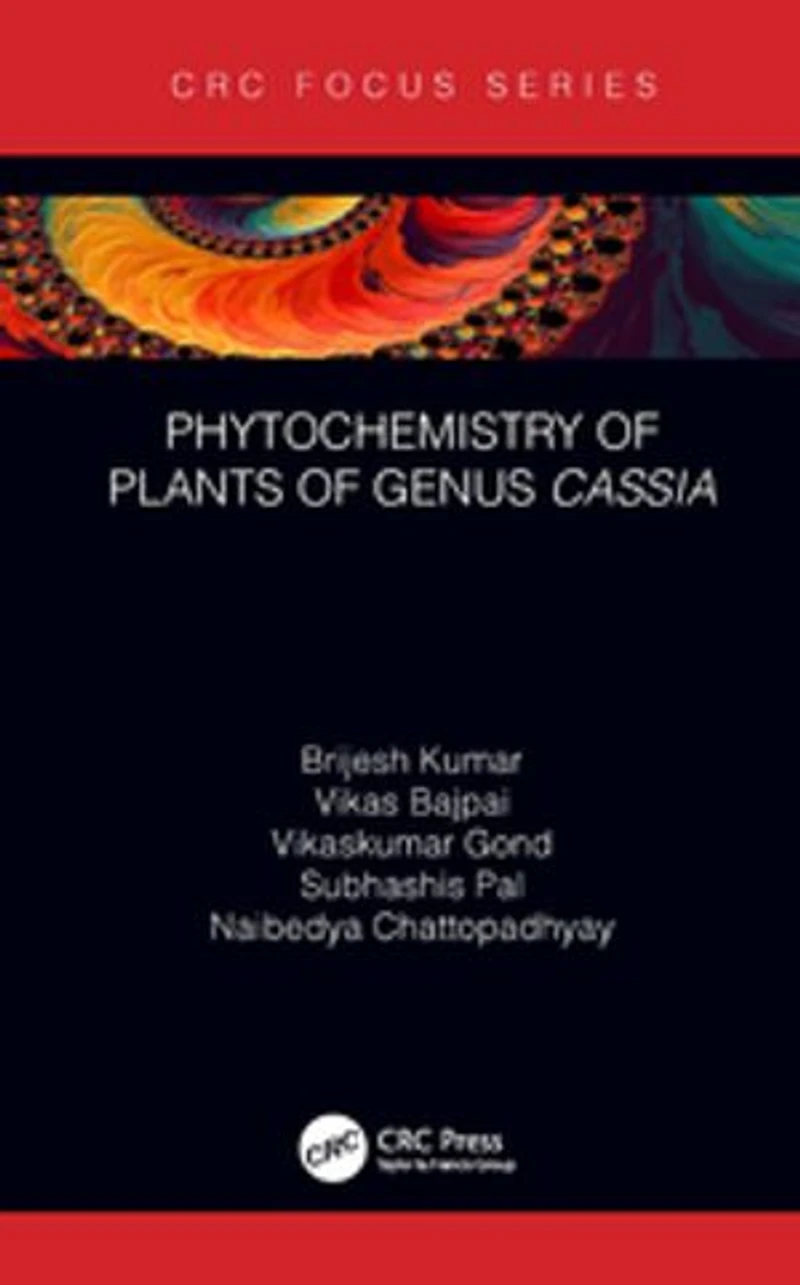

Phytochemistry of Plants Genus Cassia
Current price: $37.99

Phytochemistry of Plants Genus Cassia
Current price: $37.99
Loading Inventory...
Size: Kobo eBook
*Product information may vary - to confirm product availability, pricing, shipping and return information please contact Indigo
Cassia is an indigenous plant in Africa, Latin America, Northern Australia and Southeast Asia. Several Cassia species are of high commercial and medicinal significance since they are used as spices and in traditional medicines . Currently plants from genus Cassia is in great demand due to their immense medicinal properties. Cassia species have various pharmacological activities such as antibacterial, analgesic, antiinflammatory, antiarthritic, hepatoprotective, antitumor, antifertility, antifungal, antioxidant, antileishmaniatic, antimicrobial, CNS and hypoglycaemic activitiy. Different class of compounds reported from Cassia species are anthraquinones, phenolics, flavonoids, chromenes, terpenes, proanthocyanidins, coumarins, chromones and lignans. The taxonomy and nomenclature of Cassia species are quite complex. It is very difficult to differentiate them due to their overlapping morphological characters and close similarities. This usually leads to misidentification and misinterpretation of the components. Features:
Presents collection of Ayurvedic features and scientific evidence of most important medicinal plants of Cassia species Chemical signatures for identification of Cassia species Easy to use analytical procedure for quality control of Cassia species and its products.
Cassia is an indigenous plant in Africa, Latin America, Northern Australia and Southeast Asia. Several Cassia species are of high commercial and medicinal significance since they are used as spices and in traditional medicines . Currently plants from genus Cassia is in great demand due to their immense medicinal properties. Cassia species have various pharmacological activities such as antibacterial, analgesic, antiinflammatory, antiarthritic, hepatoprotective, antitumor, antifertility, antifungal, antioxidant, antileishmaniatic, antimicrobial, CNS and hypoglycaemic activitiy. Different class of compounds reported from Cassia species are anthraquinones, phenolics, flavonoids, chromenes, terpenes, proanthocyanidins, coumarins, chromones and lignans. The taxonomy and nomenclature of Cassia species are quite complex. It is very difficult to differentiate them due to their overlapping morphological characters and close similarities. This usually leads to misidentification and misinterpretation of the components. Features:
Presents collection of Ayurvedic features and scientific evidence of most important medicinal plants of Cassia species Chemical signatures for identification of Cassia species Easy to use analytical procedure for quality control of Cassia species and its products.
You May Also Like









More About Indigo at Erin Mills Town Centre
The largest book retailer in Canada also offers toys, music, home décor, gifts and lifestyle products. What's Inside...Books, Magazines, CD’s and DVD’s, Toys and Gifts, Home Accents, Electronics, Baby’s and Children’s Section, Bath and Body, Kitchen and Bedroom, Stationary Located outside in the exterior plaza.
5015 Glen Erin Dr, Mississauga, ON L5M 0R7, Canada
Find Indigo at Erin Mills Town Centre in Mississauga ON
Visit Indigo at Erin Mills Town Centre in Mississauga ON