

GIVE THE PERFECT GIFT
Erin Mills Town Centre Gift Cards are the perfect choice for your gift giving needs.Purchase gift cards at kiosks near the food court or centre court, at Guest Services, or click below to purchase online.PURCHASE HEREHome
Picturing Art History: The Rise of the Illustrated History of Art in the Eighteenth Century
Indigo
Loading Inventory...
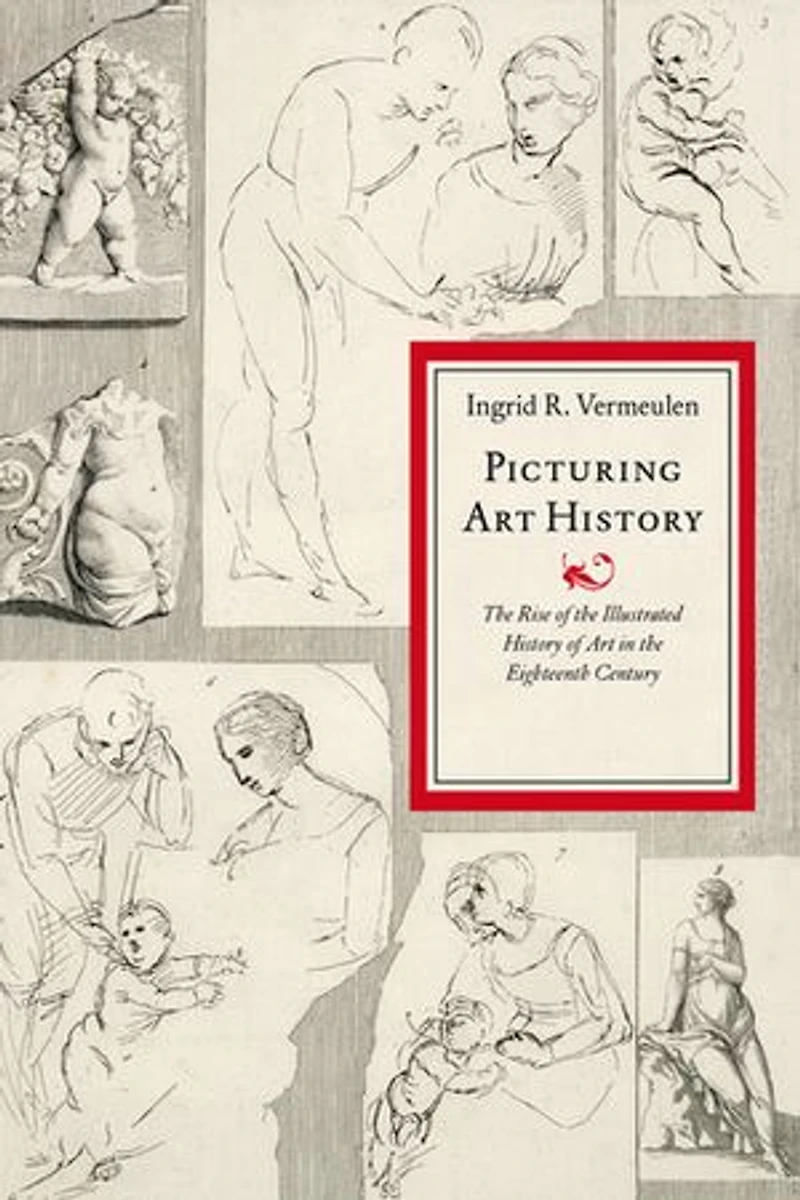
Picturing Art History: The Rise of the Illustrated History of Art in the Eighteenth Century
Current price: $113.99

Picturing Art History: The Rise of the Illustrated History of Art in the Eighteenth Century
Current price: $113.99
Loading Inventory...
Size: Kobo eBook
*Product information may vary - to confirm product availability, pricing, shipping and return information please contact Indigo
Books on art history are nearly always lavishly illustrated with quality colour reproductions of famous masterpieces. Yet this has not always been the case: it was only in the eighteenth century that art books came to be illustrated with beautiful images. Picturing Art History shows how the fundamentally new notion of the history of art as a visual history was responsible for this development. In the age before photography, paper collections of prints and drawings offered the only way to picture the artistic past. For the first time, illustrations became indispensable toolsas the new belief grew that art works rather than artists were the measure of the artistic past. Internationally renowned art scholars such as Bottari (1689-1775), Winckelmann (1717-1768) and d'Agincourt (1730-1814) collected reproductions in the form of prints and drawings, triggering discussions of the nature of illustrations as representations of art, classification of reproductions to demonstrate trends in art history, and the relationship between image and text in the art literature. With the help of illustrations, art history became an extraordinary visual experience, vital to the understanding of the history of art.
Books on art history are nearly always lavishly illustrated with quality colour reproductions of famous masterpieces. Yet this has not always been the case: it was only in the eighteenth century that art books came to be illustrated with beautiful images. Picturing Art History shows how the fundamentally new notion of the history of art as a visual history was responsible for this development. In the age before photography, paper collections of prints and drawings offered the only way to picture the artistic past. For the first time, illustrations became indispensable toolsas the new belief grew that art works rather than artists were the measure of the artistic past. Internationally renowned art scholars such as Bottari (1689-1775), Winckelmann (1717-1768) and d'Agincourt (1730-1814) collected reproductions in the form of prints and drawings, triggering discussions of the nature of illustrations as representations of art, classification of reproductions to demonstrate trends in art history, and the relationship between image and text in the art literature. With the help of illustrations, art history became an extraordinary visual experience, vital to the understanding of the history of art.
You May Also Like
















More About Indigo at Erin Mills Town Centre
The largest book retailer in Canada also offers toys, music, home décor, gifts and lifestyle products. What's Inside...Books, Magazines, CD’s and DVD’s, Toys and Gifts, Home Accents, Electronics, Baby’s and Children’s Section, Bath and Body, Kitchen and Bedroom, Stationary Located outside in the exterior plaza.
5015 Glen Erin Dr, Mississauga, ON L5M 0R7, Canada
Find Indigo at Erin Mills Town Centre in Mississauga ON
Visit Indigo at Erin Mills Town Centre in Mississauga ON