

GIVE THE PERFECT GIFT
Erin Mills Town Centre Gift Cards are the perfect choice for your gift giving needs.Purchase gift cards at kiosks near the food court or centre court, at Guest Services, or click below to purchase online.PURCHASE HEREHome
Place Management and Crime: Ownership Property Rights as a Source of Social Control
Indigo
Loading Inventory...
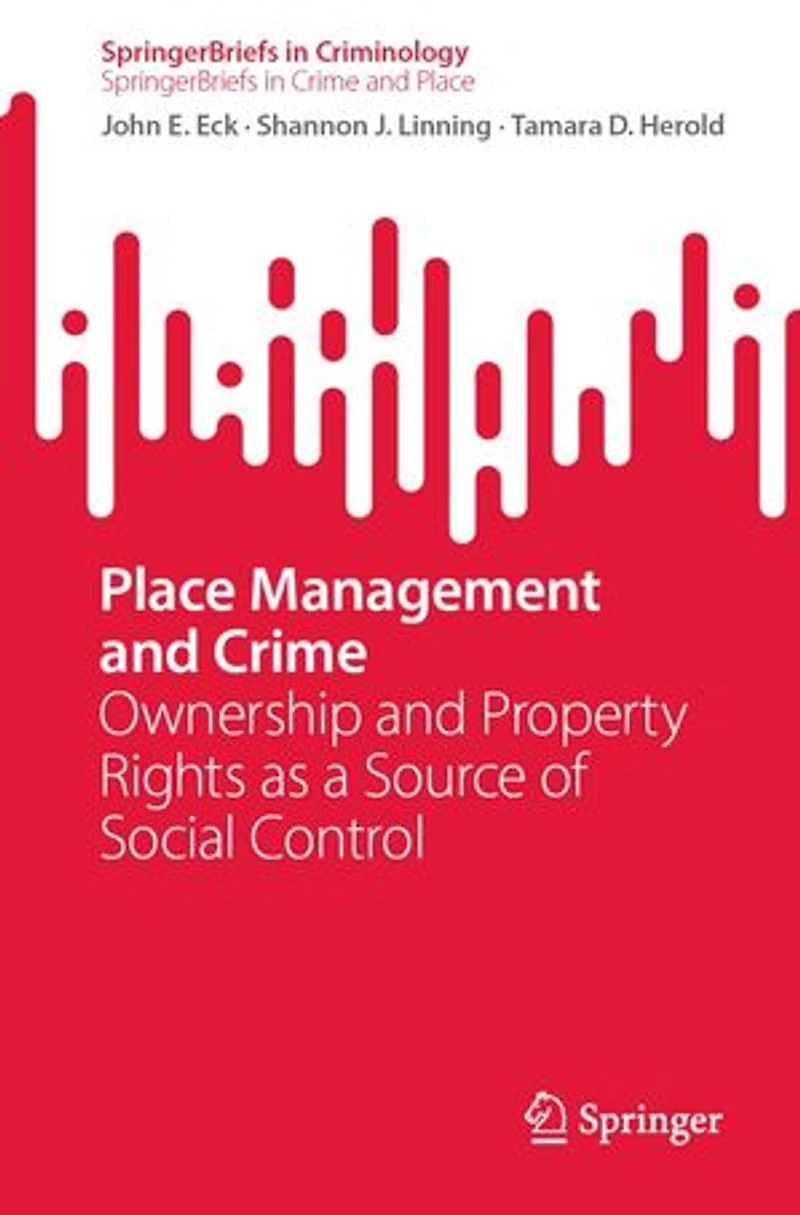
Place Management and Crime: Ownership Property Rights as a Source of Social Control
Current price: $77.39
Original price: $96.74

Place Management and Crime: Ownership Property Rights as a Source of Social Control
Current price: $77.39
Original price: $96.74
Loading Inventory...
Size: Kobo eBook
*Product information may vary - to confirm product availability, pricing, shipping and return information please contact Indigo
This brief describes the theory and evidence of a form of social control known as place management. Created by property owners, place management is an alternative to the two other domains of social control: formally created by the state and informally created by residents. It helps explain the high concentration of crime and disorder at a relatively small proportion of addresses and facilities. This volume examines the specifics of place management and extends it in three ways: to show how high crime places may radiate crime into their surroundings; to reveal networks of places that create crime hotspot spanning blocks; to demonstrate how networks of place managers influence crime throughout neighborhoods. Finally, it shows that the policy implications of place management extend far beyond the police and should include regulatory policies.
This brief describes the theory and evidence of a form of social control known as place management. Created by property owners, place management is an alternative to the two other domains of social control: formally created by the state and informally created by residents. It helps explain the high concentration of crime and disorder at a relatively small proportion of addresses and facilities. This volume examines the specifics of place management and extends it in three ways: to show how high crime places may radiate crime into their surroundings; to reveal networks of places that create crime hotspot spanning blocks; to demonstrate how networks of place managers influence crime throughout neighborhoods. Finally, it shows that the policy implications of place management extend far beyond the police and should include regulatory policies.
You May Also Like









More About Indigo at Erin Mills Town Centre
The largest book retailer in Canada also offers toys, music, home décor, gifts and lifestyle products. What's Inside...Books, Magazines, CD’s and DVD’s, Toys and Gifts, Home Accents, Electronics, Baby’s and Children’s Section, Bath and Body, Kitchen and Bedroom, Stationary Located outside in the exterior plaza.
5015 Glen Erin Dr, Mississauga, ON L5M 0R7, Canada
Find Indigo at Erin Mills Town Centre in Mississauga ON
Visit Indigo at Erin Mills Town Centre in Mississauga ON