

GIVE THE PERFECT GIFT
Erin Mills Town Centre Gift Cards are the perfect choice for your gift giving needs.Purchase gift cards at kiosks near the food court or centre court, at Guest Services, or click below to purchase online.PURCHASE HEREHome
Planning the Greenspaces of Nineteenth-Century Paris
Indigo
Loading Inventory...
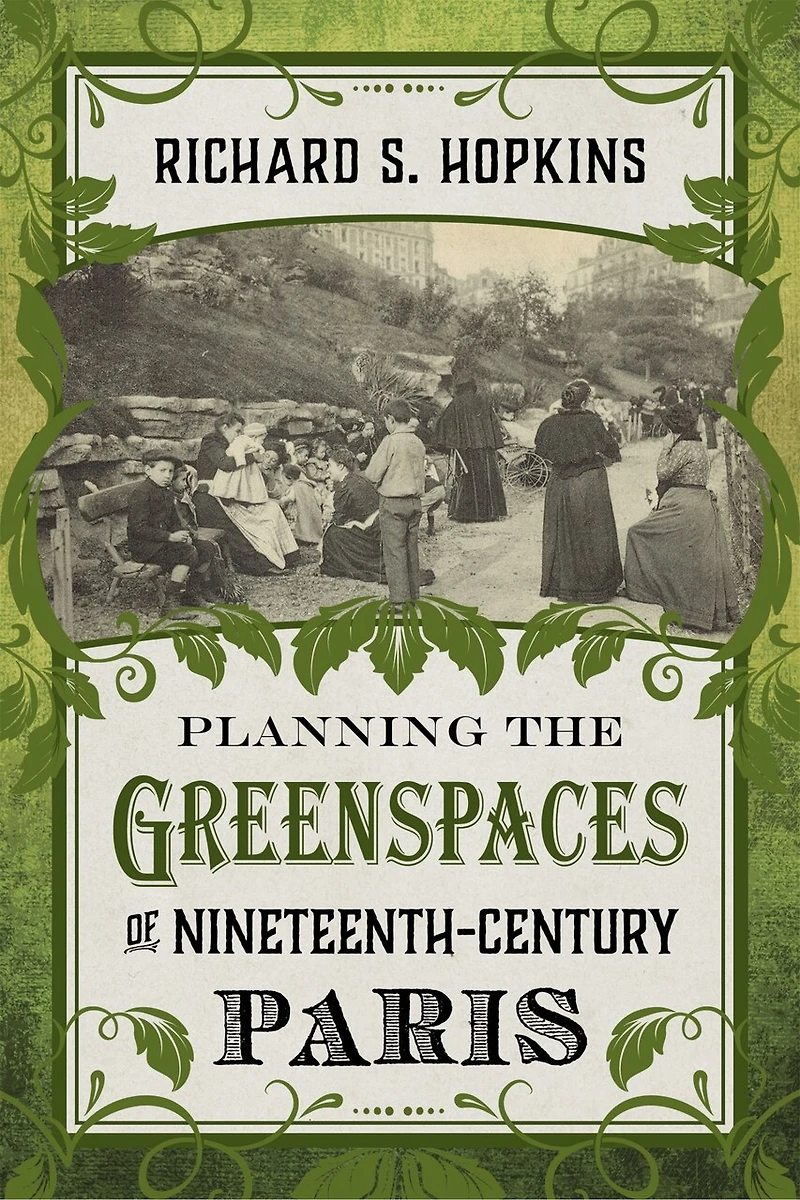


Planning the Greenspaces of Nineteenth-Century Paris
Current price: $67.95

Planning the Greenspaces of Nineteenth-Century Paris
Current price: $67.95
Loading Inventory...
Size: Hardcover
*Product information may vary - to confirm product availability, pricing, shipping and return information please contact Indigo
In the second half of the nineteenth century, state and municipal governments oversaw the explosive growth of public parks, squares, and gardens throughout the city of Paris. In Planning the Greenspaces of Nineteenth-Century Paris, Richard S. Hopkins skillfully weaves together social and cultural history to argue that the expansion of these greenspaces served as more than simple urban embellishment. Rather, they provided an essential component of the Second Empire's efforts to transform and revitalize France's capital city, and their development continued well into the Third Republic.
Hopkins brings a new dimension to the study of nineteenth-century Parisian urbanism by considering the parks and squares of Paris from multiple perspectives: the reformers who advocated for them, the planners who constructed them, the workers who maintained them, and the neighborhood residents who used them. As public areas over which private citizens felt a high degree of ownership, these spaces offered a unique opportunity for collaboration between city officials and residents. Hopkins examines the national and municipal goals for the greenspaces, their intended contributions to public health, and the roles of park service employees and neighborhood groups in their ongoing centrality to Parisian life.
Hopkins's study moves deftly from the aspirations of the political authorities to the ways in which new public spaces contributed to community-building and neighborhood identity. Drawing on extensive archival research, he depicts a greenspace design and development process that illustrates the dynamic relationship between citizens and city.
In the second half of the nineteenth century, state and municipal governments oversaw the explosive growth of public parks, squares, and gardens throughout the city of Paris. In Planning the Greenspaces of Nineteenth-Century Paris, Richard S. Hopkins skillfully weaves together social and cultural history to argue that the expansion of these greenspaces served as more than simple urban embellishment. Rather, they provided an essential component of the Second Empire's efforts to transform and revitalize France's capital city, and their development continued well into the Third Republic.
Hopkins brings a new dimension to the study of nineteenth-century Parisian urbanism by considering the parks and squares of Paris from multiple perspectives: the reformers who advocated for them, the planners who constructed them, the workers who maintained them, and the neighborhood residents who used them. As public areas over which private citizens felt a high degree of ownership, these spaces offered a unique opportunity for collaboration between city officials and residents. Hopkins examines the national and municipal goals for the greenspaces, their intended contributions to public health, and the roles of park service employees and neighborhood groups in their ongoing centrality to Parisian life.
Hopkins's study moves deftly from the aspirations of the political authorities to the ways in which new public spaces contributed to community-building and neighborhood identity. Drawing on extensive archival research, he depicts a greenspace design and development process that illustrates the dynamic relationship between citizens and city.
You May Also Like
















More About Indigo at Erin Mills Town Centre
The largest book retailer in Canada also offers toys, music, home décor, gifts and lifestyle products. What's Inside...Books, Magazines, CD’s and DVD’s, Toys and Gifts, Home Accents, Electronics, Baby’s and Children’s Section, Bath and Body, Kitchen and Bedroom, Stationary Located outside in the exterior plaza.
5015 Glen Erin Dr, Mississauga, ON L5M 0R7, Canada
Find Indigo at Erin Mills Town Centre in Mississauga ON
Visit Indigo at Erin Mills Town Centre in Mississauga ON