

GIVE THE PERFECT GIFT
Erin Mills Town Centre Gift Cards are the perfect choice for your gift giving needs.Purchase gift cards at kiosks near the food court or centre court, at Guest Services, or click below to purchase online.PURCHASE HEREHome
Plato’s Battle between the Gods and the Giants and Its Continuing Relevance in the Speculative Philosophy of History
Indigo
Loading Inventory...
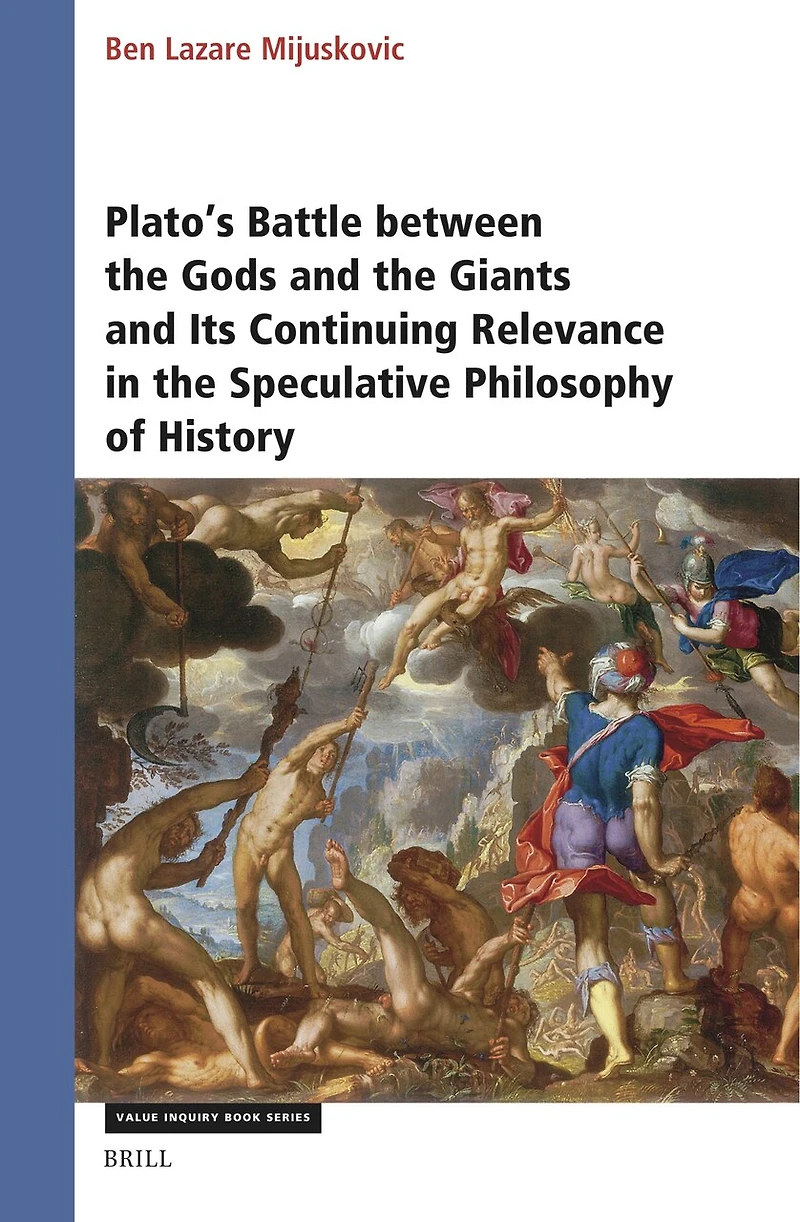
Plato’s Battle between the Gods and the Giants and Its Continuing Relevance in the Speculative Philosophy of History
Current price: $167.99

Plato’s Battle between the Gods and the Giants and Its Continuing Relevance in the Speculative Philosophy of History
Current price: $167.99
Loading Inventory...
Size: Hardcover
*Product information may vary - to confirm product availability, pricing, shipping and return information please contact Indigo
This book discusses two general theories of human consciousness. The methodology, interdisciplinary and “history of ideas”-oriented, concentrates on two opposing theories, one humanistic and the other scientific. Leibniz's optimistic claim in the seventeenth century that this world was the best of all possible worlds is posed against nineteenth century Schopenhauer who argued pessimistically that it was the worst and that it was best not to survive. Against this background the book compares the current danger of a civil war in the United States of America as patterned along the same lines that engulfed the former Yugoslavia, thus demonstrating the insidious roots of that evil and its destructive engulfment and power. Ultimately, it questions whether these same dynamic forces are leading today's world to annihilation as countries threaten each other with nuclear arms and the age of pessimism has become entrenched.
This book discusses two general theories of human consciousness. The methodology, interdisciplinary and “history of ideas”-oriented, concentrates on two opposing theories, one humanistic and the other scientific. Leibniz's optimistic claim in the seventeenth century that this world was the best of all possible worlds is posed against nineteenth century Schopenhauer who argued pessimistically that it was the worst and that it was best not to survive. Against this background the book compares the current danger of a civil war in the United States of America as patterned along the same lines that engulfed the former Yugoslavia, thus demonstrating the insidious roots of that evil and its destructive engulfment and power. Ultimately, it questions whether these same dynamic forces are leading today's world to annihilation as countries threaten each other with nuclear arms and the age of pessimism has become entrenched.
You May Also Like








More About Indigo at Erin Mills Town Centre
The largest book retailer in Canada also offers toys, music, home décor, gifts and lifestyle products. What's Inside...Books, Magazines, CD’s and DVD’s, Toys and Gifts, Home Accents, Electronics, Baby’s and Children’s Section, Bath and Body, Kitchen and Bedroom, Stationary Located outside in the exterior plaza.
5015 Glen Erin Dr, Mississauga, ON L5M 0R7, Canada
Find Indigo at Erin Mills Town Centre in Mississauga ON
Visit Indigo at Erin Mills Town Centre in Mississauga ON