

GIVE THE PERFECT GIFT
Erin Mills Town Centre Gift Cards are the perfect choice for your gift giving needs.Purchase gift cards at kiosks near the food court or centre court, at Guest Services, or click below to purchase online.PURCHASE HEREHome
Pocahontas and Randolph County
Indigo
Loading Inventory...
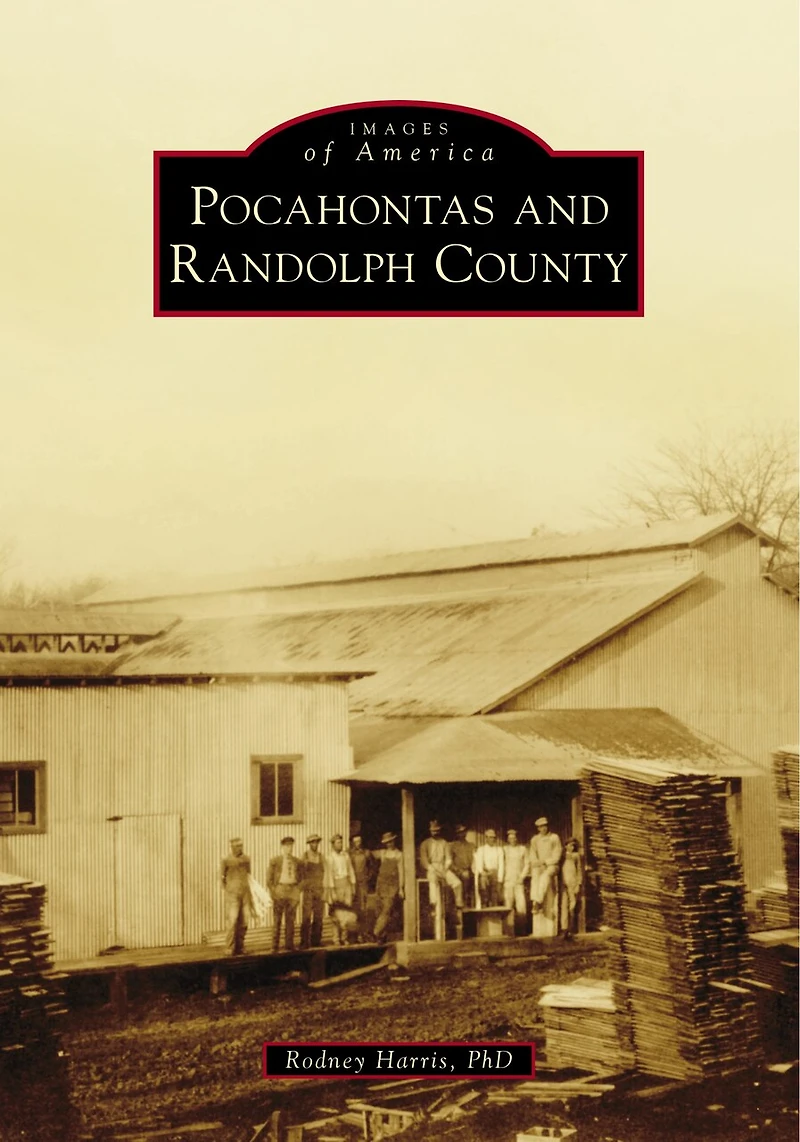
Pocahontas and Randolph County
Current price: $32.99

Pocahontas and Randolph County
Current price: $32.99
Loading Inventory...
Size: Paperback
*Product information may vary - to confirm product availability, pricing, shipping and return information please contact Indigo
Pocahontas, Arkansas, began as an early settlement known as Bettis Bluff. The name Pocahontas appears to have first been used in 1836 when the town was chosen as the county seat of the new Randolph County. The area's rivers played a significant role in the county's development, with the first steamboat arriving in Bettis Bluff in 1829. Pocahontas flourished following the Civil War due to the growing lumber industry, which cleared vast forested areas, allowing for an agricultural economy. The arrival of the railroad in the early 20th century ushered in new opportunities, and while World War II led many to leave in search of better-paying jobs, others benefited from the opening of Brown Shoe, Magee Picture Frames, Waterloo, and other industries. A significant lumber industry developed as the forests of the Current and Black River bottoms were cleared. The Port of Pocahontas became a shipping point for lumber, and the Sallee Handle Mill along the riverfront in Pocahontas became a booming business. Randolph County emerged as a significant producer of rice, soybeans, and, more recently, peanuts.
Pocahontas, Arkansas, began as an early settlement known as Bettis Bluff. The name Pocahontas appears to have first been used in 1836 when the town was chosen as the county seat of the new Randolph County. The area's rivers played a significant role in the county's development, with the first steamboat arriving in Bettis Bluff in 1829. Pocahontas flourished following the Civil War due to the growing lumber industry, which cleared vast forested areas, allowing for an agricultural economy. The arrival of the railroad in the early 20th century ushered in new opportunities, and while World War II led many to leave in search of better-paying jobs, others benefited from the opening of Brown Shoe, Magee Picture Frames, Waterloo, and other industries. A significant lumber industry developed as the forests of the Current and Black River bottoms were cleared. The Port of Pocahontas became a shipping point for lumber, and the Sallee Handle Mill along the riverfront in Pocahontas became a booming business. Randolph County emerged as a significant producer of rice, soybeans, and, more recently, peanuts.
You May Also Like













More About Indigo at Erin Mills Town Centre
The largest book retailer in Canada also offers toys, music, home décor, gifts and lifestyle products. What's Inside...Books, Magazines, CD’s and DVD’s, Toys and Gifts, Home Accents, Electronics, Baby’s and Children’s Section, Bath and Body, Kitchen and Bedroom, Stationary Located outside in the exterior plaza.
5015 Glen Erin Dr, Mississauga, ON L5M 0R7, Canada
Find Indigo at Erin Mills Town Centre in Mississauga ON
Visit Indigo at Erin Mills Town Centre in Mississauga ON