

GIVE THE PERFECT GIFT
Erin Mills Town Centre Gift Cards are the perfect choice for your gift giving needs.Purchase gift cards at kiosks near the food court or centre court, at Guest Services, or click below to purchase online.PURCHASE HEREHome
Poetic Theory and Practice in Early Modern Verse: Unwritten Arts
Indigo
Loading Inventory...
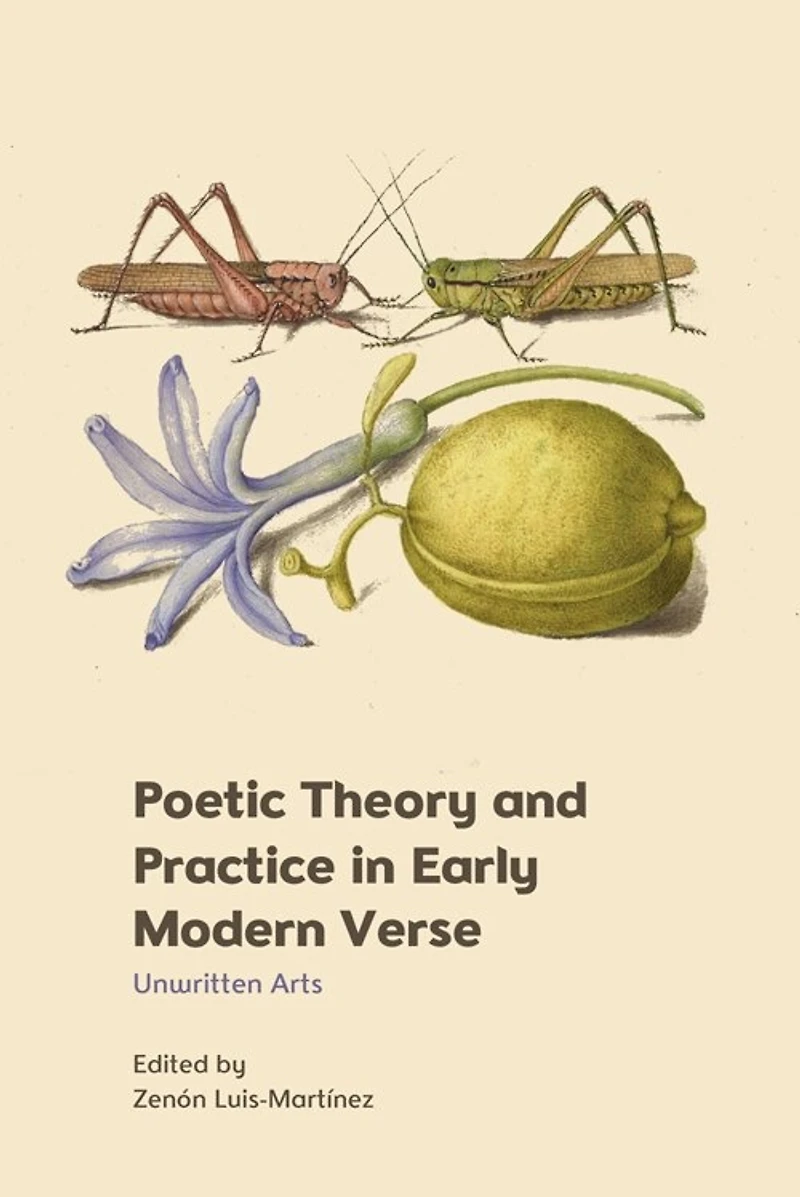
Poetic Theory and Practice in Early Modern Verse: Unwritten Arts
Current price: $38.99

Poetic Theory and Practice in Early Modern Verse: Unwritten Arts
Current price: $38.99
Loading Inventory...
Size: Paperback
*Product information may vary - to confirm product availability, pricing, shipping and return information please contact Indigo
How did ideas about the poet’s art surface in early modern texts? By looking into the intersections between poetry, poetics and other discourses – logic, rhetoric, natural philosophy, medicine, mythography or religion – the essays in this volume unearth notions that remained largely unwritten in the official literary criticism of the period. Focusing on questions of poetry’s origins and style, and exploring individual responses to issues of authenticity, career design, difficulty, or inspiration, this collection revisits and renews the critical lexicons that connect poetic theory and practice in early modern English texts and their European contexts. Reading canonical poets and critics – Sidney, Spenser, Marlowe, Shakespeare, Puttenham, Dryden – alongside less studied figures such as Henry Constable, Barnabe Barnes, Thomas Lodge, Aemilia Lanyer, Fulke Greville or George Chapman, this book extends the coordinates for a dialogue between literary practice and the Renaissance theories from which they stemmed and which they helped to outgrow.
How did ideas about the poet’s art surface in early modern texts? By looking into the intersections between poetry, poetics and other discourses – logic, rhetoric, natural philosophy, medicine, mythography or religion – the essays in this volume unearth notions that remained largely unwritten in the official literary criticism of the period. Focusing on questions of poetry’s origins and style, and exploring individual responses to issues of authenticity, career design, difficulty, or inspiration, this collection revisits and renews the critical lexicons that connect poetic theory and practice in early modern English texts and their European contexts. Reading canonical poets and critics – Sidney, Spenser, Marlowe, Shakespeare, Puttenham, Dryden – alongside less studied figures such as Henry Constable, Barnabe Barnes, Thomas Lodge, Aemilia Lanyer, Fulke Greville or George Chapman, this book extends the coordinates for a dialogue between literary practice and the Renaissance theories from which they stemmed and which they helped to outgrow.
You May Also Like









More About Indigo at Erin Mills Town Centre
The largest book retailer in Canada also offers toys, music, home décor, gifts and lifestyle products. What's Inside...Books, Magazines, CD’s and DVD’s, Toys and Gifts, Home Accents, Electronics, Baby’s and Children’s Section, Bath and Body, Kitchen and Bedroom, Stationary Located outside in the exterior plaza.
5015 Glen Erin Dr, Mississauga, ON L5M 0R7, Canada
Find Indigo at Erin Mills Town Centre in Mississauga ON
Visit Indigo at Erin Mills Town Centre in Mississauga ON